
SEBI plans overhaul of non-agricultural commodity derivatives segment
Chairman Tuhin Kanta Pandey said the regulator is engaging with the Reserve Bank of India (RBI) and the Insurance Regulatory and Development Authority of India (IRDAI) to enable the participation of banks and insurance companies in the commodity derivatives market.
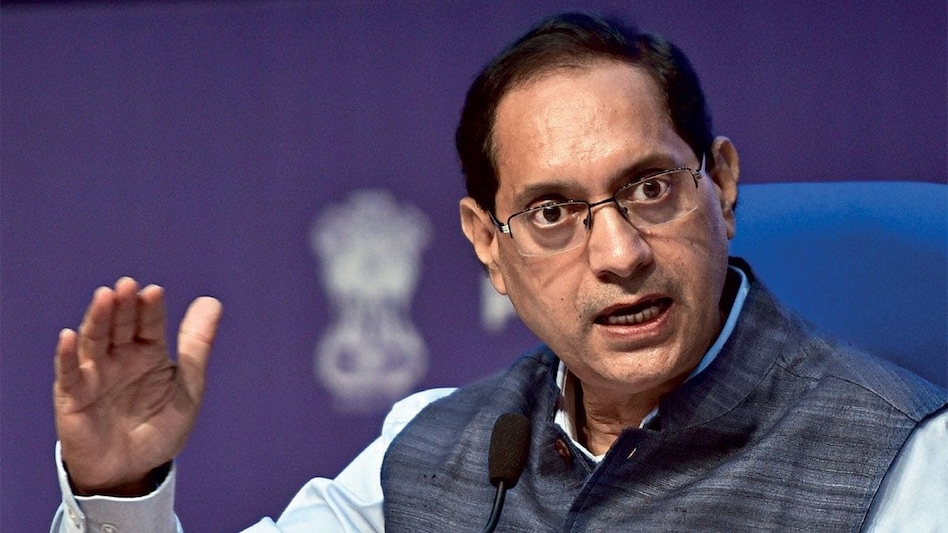
- Dec 20, 2025,
- Updated Dec 20, 2025 3:48 PM IST
Markets regulator SEBI is set to review the non-agricultural commodity derivatives segment as part of broader efforts to deepen India’s commodity markets, its chairman Tuhin Kanta Pandey said on December 20.
Speaking at the 11th International Convention of the Commodity & Capital Participants Association of India (CPAI), Pandey said the regulator plans to constitute a dedicated working group to examine the segment, with a formal notification expected shortly. The review will come alongside SEBI’s ongoing engagement with other regulators to widen institutional participation in commodity derivatives.
Working group on non-agri commodities
Pandey said SEBI will form a working group, after consultations with stakeholders, to review the non-agricultural commodity derivatives segment. “This working group will be notified very shortly,” he said, underlining the regulator’s focus on strengthening market depth and efficiency.
He added that SEBI has already set up working groups to suggest measures for deepening the agriculture and commodity derivatives ecosystem. These expert panels are assessing whether existing rules on margins, position limits, and delivery and settlement mechanisms can be optimised without compromising market integrity. The recommendations, Pandey said, would guide SEBI’s future developmental measures.
Push for banks, insurers to boost liquidity
The SEBI chief said the regulator is engaging with the Reserve Bank of India (RBI) and the Insurance Regulatory and Development Authority of India (IRDAI) to enable the participation of banks and insurance companies in the commodity derivatives market.
According to Pandey, greater institutional participation would improve liquidity and make commodity derivatives more attractive as hedging instruments for market participants.
GST hurdles, EGR framework under review
Beyond institutional participation, Pandey highlighted taxation as a key challenge for the growth of commodity markets. He said SEBI will continue discussions with the government to address Goods and Services Tax (GST) issues faced by participants, especially those seeking to take or make delivery of commodities through exchanges.
“There are several GST-related challenges that need to be addressed,” he said, noting that engagement with the GST Council Secretariat and the GST Council would be crucial to spur development across agricultural and non-agricultural segments, including gold.
On the gold ecosystem, Pandey said Indian markets already offer regulated products such as commodity derivatives, gold exchange-traded funds (ETFs) and electronic gold receipts (EGRs), which provide investor protection. While EGRs were intended to create a regulated gold trading market and position India as a global price discovery hub, he acknowledged that the framework has not gained the desired traction so far and requires a review, partly due to GST-related challenges.
Markets regulator SEBI is set to review the non-agricultural commodity derivatives segment as part of broader efforts to deepen India’s commodity markets, its chairman Tuhin Kanta Pandey said on December 20.
Speaking at the 11th International Convention of the Commodity & Capital Participants Association of India (CPAI), Pandey said the regulator plans to constitute a dedicated working group to examine the segment, with a formal notification expected shortly. The review will come alongside SEBI’s ongoing engagement with other regulators to widen institutional participation in commodity derivatives.
Working group on non-agri commodities
Pandey said SEBI will form a working group, after consultations with stakeholders, to review the non-agricultural commodity derivatives segment. “This working group will be notified very shortly,” he said, underlining the regulator’s focus on strengthening market depth and efficiency.
He added that SEBI has already set up working groups to suggest measures for deepening the agriculture and commodity derivatives ecosystem. These expert panels are assessing whether existing rules on margins, position limits, and delivery and settlement mechanisms can be optimised without compromising market integrity. The recommendations, Pandey said, would guide SEBI’s future developmental measures.
Push for banks, insurers to boost liquidity
The SEBI chief said the regulator is engaging with the Reserve Bank of India (RBI) and the Insurance Regulatory and Development Authority of India (IRDAI) to enable the participation of banks and insurance companies in the commodity derivatives market.
According to Pandey, greater institutional participation would improve liquidity and make commodity derivatives more attractive as hedging instruments for market participants.
GST hurdles, EGR framework under review
Beyond institutional participation, Pandey highlighted taxation as a key challenge for the growth of commodity markets. He said SEBI will continue discussions with the government to address Goods and Services Tax (GST) issues faced by participants, especially those seeking to take or make delivery of commodities through exchanges.
“There are several GST-related challenges that need to be addressed,” he said, noting that engagement with the GST Council Secretariat and the GST Council would be crucial to spur development across agricultural and non-agricultural segments, including gold.
On the gold ecosystem, Pandey said Indian markets already offer regulated products such as commodity derivatives, gold exchange-traded funds (ETFs) and electronic gold receipts (EGRs), which provide investor protection. While EGRs were intended to create a regulated gold trading market and position India as a global price discovery hub, he acknowledged that the framework has not gained the desired traction so far and requires a review, partly due to GST-related challenges.