
'Something big is happening in metals markets': Gold slides into bear market
The Kobeissi Letter highlighted that this divergence is unfolding at a time when oil prices remain volatile while equity futures show signs of stabilising, breaking the typical correlation where escalating geopolitical risks usually support both crude oil and defensive assets such as gold.
- Mar 23, 2026,
- Updated Mar 23, 2026 11:18 AM IST
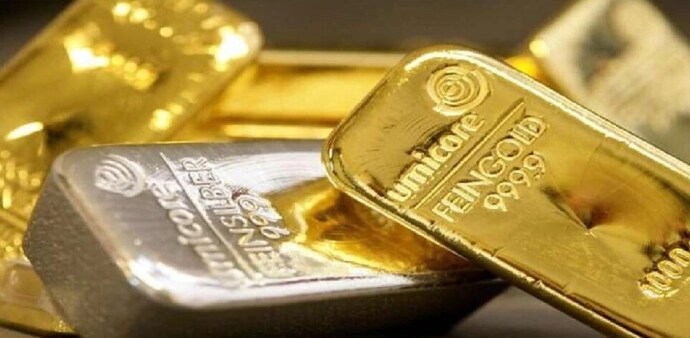
A sharp and unusual selloff in precious metals is indicating growing stress across global financial markets as the Iran war persists, according to analysis by The Kobeissi Letter. It added that gold has officially entered a bear market, falling roughly 22 per cent from its record high.
Gold and silver collectively erased nearly $2 trillion in market value within a matter of hours, even as geopolitical tensions intensified -- a move that contradicts the traditional pattern where safe-haven assets tend to rally during periods of conflict.
The Kobeissi Letter highlighted that this divergence is unfolding at a time when oil prices remain volatile while equity futures show signs of stabilising, breaking the typical correlation where escalating geopolitical risks usually support both crude oil and defensive assets such as gold.
Instead, the primary pressure point appears to be the sharp rise in US Treasury yields. The 10-year bond yield has climbed rapidly in recent weeks, increasing the opportunity cost of holding non-yielding assets, such as gold and silver, thereby weighing heavily on their prices.
The analysis also highlighted the potential for forced liquidation by large institutional investors. During periods of market stress, investors often sell highly liquid holdings such as gold to meet margin calls or offset losses in other asset classes, which can accelerate declines even in assets traditionally viewed as safe havens.
Meanwhile, persistent inflation concerns linked to elevated oil prices -- driven in part by risks surrounding the Strait of Hormuz -- are prompting markets to reassess the outlook for interest rates. This shift is strengthening both US bond yields and the dollar, two factors that typically exert downward pressure on precious metals.
The Kobeissi Letter further noted that increasing "headline fatigue" related to the ongoing war, combined with "pockets" of reduced market liquidity, is amplifying volatility across asset classes and contributing to sharp, rapid price swings in both directions.
A sharp and unusual selloff in precious metals is indicating growing stress across global financial markets as the Iran war persists, according to analysis by The Kobeissi Letter. It added that gold has officially entered a bear market, falling roughly 22 per cent from its record high.
Gold and silver collectively erased nearly $2 trillion in market value within a matter of hours, even as geopolitical tensions intensified -- a move that contradicts the traditional pattern where safe-haven assets tend to rally during periods of conflict.
The Kobeissi Letter highlighted that this divergence is unfolding at a time when oil prices remain volatile while equity futures show signs of stabilising, breaking the typical correlation where escalating geopolitical risks usually support both crude oil and defensive assets such as gold.
Instead, the primary pressure point appears to be the sharp rise in US Treasury yields. The 10-year bond yield has climbed rapidly in recent weeks, increasing the opportunity cost of holding non-yielding assets, such as gold and silver, thereby weighing heavily on their prices.
The analysis also highlighted the potential for forced liquidation by large institutional investors. During periods of market stress, investors often sell highly liquid holdings such as gold to meet margin calls or offset losses in other asset classes, which can accelerate declines even in assets traditionally viewed as safe havens.
Meanwhile, persistent inflation concerns linked to elevated oil prices -- driven in part by risks surrounding the Strait of Hormuz -- are prompting markets to reassess the outlook for interest rates. This shift is strengthening both US bond yields and the dollar, two factors that typically exert downward pressure on precious metals.
The Kobeissi Letter further noted that increasing "headline fatigue" related to the ongoing war, combined with "pockets" of reduced market liquidity, is amplifying volatility across asset classes and contributing to sharp, rapid price swings in both directions.