
Pharma not immediately hit by oil crisis, but big disruption looms in coming 2-3 months: Sharvil Patel of Zydus Lifesciences
Highlighting the sector’s pricing constraints, Sharvil Patel, Managing Director of Zydus Lifesciences, emphasised that medicines are essential commodities, and companies cannot freely pass on cost increases to consumers, as prices are regulated.
- Mar 28, 2026,
- Updated Mar 28, 2026 7:08 PM IST
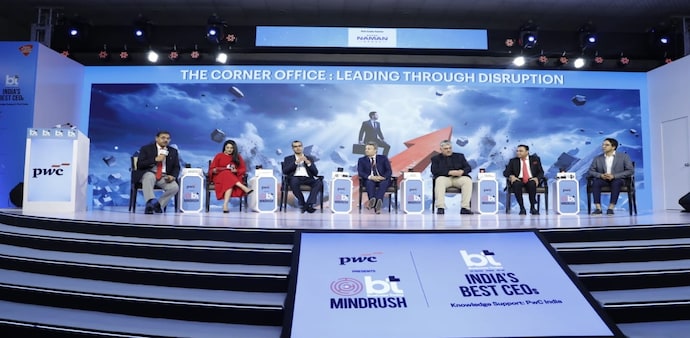
Speaking at the Business Today MindRush & India’s Best CEOs Awards on March 28, 2026, Sharvil Patel, Managing Director of Zydus Lifesciences, flagged looming risks for the pharmaceutical sector stemming from the ongoing oil and gas crisis amid the West Asia conflict.
Patel noted that while the pharma industry may not face an immediate impact, the repercussions could surface with a lag of 2–3 months.
Highlighting the sector’s pricing constraints, Patel emphasised that medicines are essential commodities, and companies cannot freely pass on cost increases to consumers, as prices are regulated.
Drawing parallels with the pandemic, he pointed out that while the industry demonstrated resilience during COVID-19, the current crisis is structurally different.
MUST READ: Strong fundamentals to shield India from global shocks, says NSE MD & CEO Ashish Chauhan
“This is a unique challenge—it is so upstream that one would generally assume the pharma industry would face fewer disruptions. But maybe two months down the line, we will see a tremendously large impact,” he said.
He explained that vulnerabilities extend far beyond core inputs. From solvents and acids used in chemical processes to seemingly minor components like printing materials, the risks are widespread.
“We all have to label our drugs, but there are no solvents available with print manufacturers to print labels,” Patel said, highlighting how even small supply chain elements could become critical bottlenecks.
He further noted that even if companies secure key raw materials, last-mile disruptions could still derail production.
“I may have secured everything in my supply chain but could still be stuck due to a bottle or a print label. These are small components that don’t get priority, but they can become a very big challenge,” he said.
Beyond production, logistics remains another pressure point. Even if the energy crisis stabilises, container shortages could disrupt distribution. “We don’t have enough containers to move products,” Patel added.
Calling the situation a prolonged challenge, Patel said companies will need to make difficult choices to ensure the continued availability of essential medicines globally. Reinforcing India’s role, he said, “When we say we are the pharmacy of the world, it’s not just rhetoric. In the US, 60% of the medicines consumed are made in India, and the same holds true for many other markets.”
He also stressed the need for better planning and localisation. “Companies must indigenise certain capabilities and build supply chains within key markets to reduce external dependencies,” he said.
Patel cautioned that the full extent of the disruption is yet to unfold. “Everyone is holding on to inventory, but even basic inputs are becoming scarce, which will complicate matters. We are all anticipating the disruption and trying to address it,” he added.
Speaking at the Business Today MindRush & India’s Best CEOs Awards on March 28, 2026, Sharvil Patel, Managing Director of Zydus Lifesciences, flagged looming risks for the pharmaceutical sector stemming from the ongoing oil and gas crisis amid the West Asia conflict.
Patel noted that while the pharma industry may not face an immediate impact, the repercussions could surface with a lag of 2–3 months.
Highlighting the sector’s pricing constraints, Patel emphasised that medicines are essential commodities, and companies cannot freely pass on cost increases to consumers, as prices are regulated.
Drawing parallels with the pandemic, he pointed out that while the industry demonstrated resilience during COVID-19, the current crisis is structurally different.
MUST READ: Strong fundamentals to shield India from global shocks, says NSE MD & CEO Ashish Chauhan
“This is a unique challenge—it is so upstream that one would generally assume the pharma industry would face fewer disruptions. But maybe two months down the line, we will see a tremendously large impact,” he said.
He explained that vulnerabilities extend far beyond core inputs. From solvents and acids used in chemical processes to seemingly minor components like printing materials, the risks are widespread.
“We all have to label our drugs, but there are no solvents available with print manufacturers to print labels,” Patel said, highlighting how even small supply chain elements could become critical bottlenecks.
He further noted that even if companies secure key raw materials, last-mile disruptions could still derail production.
“I may have secured everything in my supply chain but could still be stuck due to a bottle or a print label. These are small components that don’t get priority, but they can become a very big challenge,” he said.
Beyond production, logistics remains another pressure point. Even if the energy crisis stabilises, container shortages could disrupt distribution. “We don’t have enough containers to move products,” Patel added.
Calling the situation a prolonged challenge, Patel said companies will need to make difficult choices to ensure the continued availability of essential medicines globally. Reinforcing India’s role, he said, “When we say we are the pharmacy of the world, it’s not just rhetoric. In the US, 60% of the medicines consumed are made in India, and the same holds true for many other markets.”
He also stressed the need for better planning and localisation. “Companies must indigenise certain capabilities and build supply chains within key markets to reduce external dependencies,” he said.
Patel cautioned that the full extent of the disruption is yet to unfold. “Everyone is holding on to inventory, but even basic inputs are becoming scarce, which will complicate matters. We are all anticipating the disruption and trying to address it,” he added.