
India’s energy security challenge: balancing growth and sustainability
At the BT India’s Most Sustainable Companies Summit and Awards, industry experts discussed the country’s energy security challenges and the steps needed to meet future energy demands while moving towards sustainability
- Jun 6, 2026,
- Updated Jun 8, 2026 12:08 PM IST
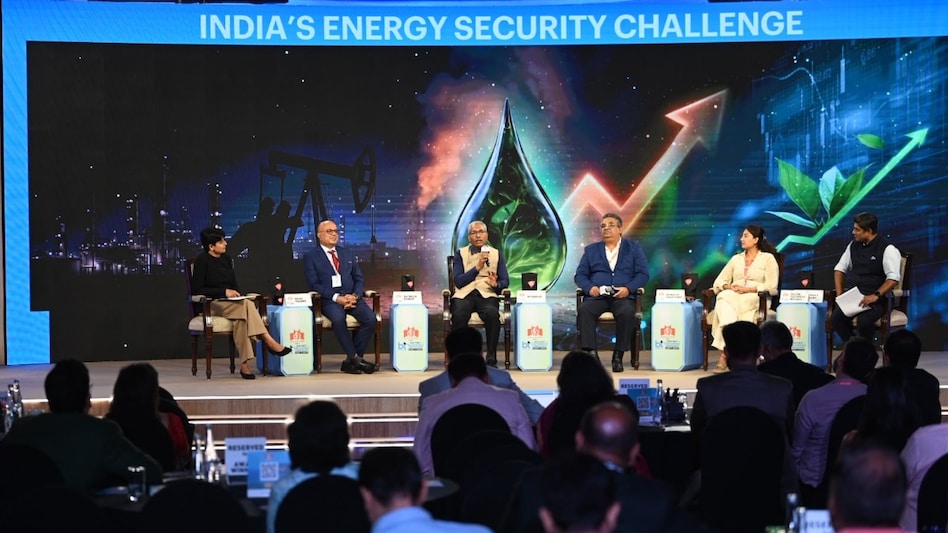
India’s growing economy requires a reliable and secure energy supply. At the BT India’s Most Sustainable Companies Summit and Awards, industry experts discussed the country’s energy security challenges and the steps needed to meet future energy demands while moving towards sustainability.
Speaking at the summit, Ratnesh Kumar, Executive Director of ONGC, highlighted that India remains heavily dependent on energy imports, with nearly 90% of its oil requirements coming from overseas. He noted that the era of easy and cheap oil is over, making deep-water exploration increasingly important.
Areas such as the Andaman region hold significant potential for oil and gas discoveries, and companies like ONGC and Reliance are actively exploring these opportunities. He also pointed out that one-third of India’s natural gas production comes from the east coast. While fossil fuels currently account for 82% of India’s energy mix, renewable sources contribute around 18%. However, the government’s strong push for renewable energy has helped India achieve over 50% renewable energy capacity.
M. Sankar, Executive Director of BPCL, stressed the need for a multi-pronged approach to energy security. According to him, India must continue exploring domestic oil and gas resources while simultaneously investing in renewable energy. He said that all major oil companies now have a clear mandate to expand their presence in the renewable energy sector.
Maneesh David Singh, Sustainability Director at PNGRB, said that India’s energy needs will grow significantly as the country moves towards its vision of becoming a developed nation. He highlighted how disruptions in global supply routes, including those affecting LPG supplies, were managed effectively through government intervention and strong domestic infrastructure. India has expanded its gas network considerably, with 307 geographical areas covered and millions of households connected through piped natural gas (PNG).
He also emphasized the future potential of compressed biogas, hydrogen, wind, and solar energy, stating that all these sources must work together to strengthen the country’s energy security.
Saloni Sachdeva Michael, Lead Clean Energy Specialist at IEEFA, noted that sectors such as transportation are increasingly shifting towards electricity. India has made significant progress in renewable energy, with solar power accounting for a major share of the country’s renewable capacity. However, she warned that dependence on imported minerals such as lithium, cobalt, and nickel poses a new challenge. Strengthening mineral supply chains will be critical to ensuring long-term energy security as India accelerates its clean energy transition.
The discussion made it clear that India’s energy future will depend on a balanced strategy that combines traditional energy sources, renewable power, technological innovation, and stronger supply chains.
FAQs
- +−
Why is energy security a major concern for India’s growing economy?
Energy security is crucial for India because the country’s fast-growing economy needs a steady, reliable and affordable supply of energy. With nearly 90% of its oil needs met through imports, India remains vulnerable to global price shocks and supply disruptions.
- +−
What role do domestic oil and gas exploration projects play in India’s energy future?
Domestic exploration is important because it can reduce India’s dependence on imported fuel. Experts at the summit said regions such as the Andaman area and the east coast have strong potential for oil and gas production, making deep-water exploration increasingly significant.
- +−
How is renewable energy contributing to India’s energy mix and sustainability goals?
Renewable energy is becoming a key part of India’s long-term energy strategy. Although fossil fuels still dominate the energy mix, government support has helped India cross 50% renewable energy capacity, with solar power emerging as a major contributor.
- +−
What did experts say about India’s strategy for achieving long-term energy security?
Experts recommended a balanced and multi-pronged approach. This includes expanding domestic oil and gas production, investing in renewable energy, improving infrastructure, and developing future-ready sources such as compressed biogas, hydrogen, wind and solar power.
- +−
What new challenges could affect India’s clean energy transition?
One major challenge is dependence on imported critical minerals such as lithium, cobalt and nickel, which are essential for clean energy technologies. Experts said India must strengthen its mineral supply chains to secure long-term energy security and support the shift towards electrification.
India’s growing economy requires a reliable and secure energy supply. At the BT India’s Most Sustainable Companies Summit and Awards, industry experts discussed the country’s energy security challenges and the steps needed to meet future energy demands while moving towards sustainability.
Speaking at the summit, Ratnesh Kumar, Executive Director of ONGC, highlighted that India remains heavily dependent on energy imports, with nearly 90% of its oil requirements coming from overseas. He noted that the era of easy and cheap oil is over, making deep-water exploration increasingly important.
Areas such as the Andaman region hold significant potential for oil and gas discoveries, and companies like ONGC and Reliance are actively exploring these opportunities. He also pointed out that one-third of India’s natural gas production comes from the east coast. While fossil fuels currently account for 82% of India’s energy mix, renewable sources contribute around 18%. However, the government’s strong push for renewable energy has helped India achieve over 50% renewable energy capacity.
M. Sankar, Executive Director of BPCL, stressed the need for a multi-pronged approach to energy security. According to him, India must continue exploring domestic oil and gas resources while simultaneously investing in renewable energy. He said that all major oil companies now have a clear mandate to expand their presence in the renewable energy sector.
Maneesh David Singh, Sustainability Director at PNGRB, said that India’s energy needs will grow significantly as the country moves towards its vision of becoming a developed nation. He highlighted how disruptions in global supply routes, including those affecting LPG supplies, were managed effectively through government intervention and strong domestic infrastructure. India has expanded its gas network considerably, with 307 geographical areas covered and millions of households connected through piped natural gas (PNG).
He also emphasized the future potential of compressed biogas, hydrogen, wind, and solar energy, stating that all these sources must work together to strengthen the country’s energy security.
Saloni Sachdeva Michael, Lead Clean Energy Specialist at IEEFA, noted that sectors such as transportation are increasingly shifting towards electricity. India has made significant progress in renewable energy, with solar power accounting for a major share of the country’s renewable capacity. However, she warned that dependence on imported minerals such as lithium, cobalt, and nickel poses a new challenge. Strengthening mineral supply chains will be critical to ensuring long-term energy security as India accelerates its clean energy transition.
The discussion made it clear that India’s energy future will depend on a balanced strategy that combines traditional energy sources, renewable power, technological innovation, and stronger supply chains.