
American Medical Association urges US DHS to exempt physicians from $100k H-1B visa fee
The American Medical Association (AMA), along with other groups, has called on DHS to clarify that physicians, residents, and fellows are vital to the U.S. healthcare workforce and should be exempt from this steep fee
- Sep 26, 2025,
- Updated Sep 26, 2025 3:21 PM IST
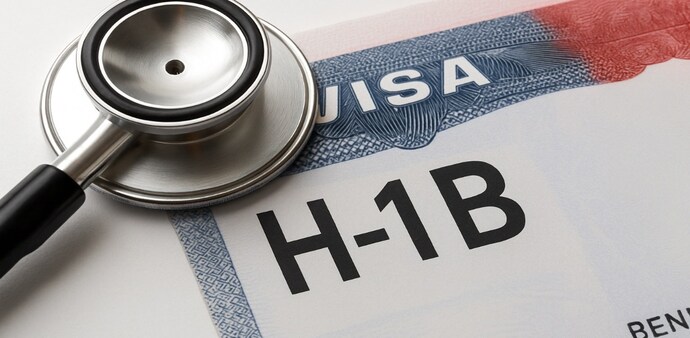
The U.S. Department of Homeland Security's (DHS) decision to impose a $100,000 fee on new H-1B visa applications has sparked widespread protests from medical organisations, with 53 leading societies joining forces to demand an exemption for physicians. The American Medical Association (AMA), along with other groups, has called on DHS to clarify that physicians, residents, and fellows are vital to the U.S. healthcare workforce and should be exempt from this steep fee.
The new policy, announced in 2025, follows a previous hike in the H-1B visa fee, which rose by 125% in the previous year. The AMA's letter to the DHS urges the government to recognise the national interest in allowing foreign-trained physicians to enter the U.S. and ensure continued access to healthcare for U.S. patients. The letter emphasises that the increased fee could harm an already struggling healthcare system, particularly in underserved areas.
“The U.S. healthcare workforce relies upon physicians from other countries to provide high-quality and accessible patient care,” the groups stated in the letter. “Accordingly, we must ensure that the U.S. has a fair and efficient immigration system that strengthens U.S. healthcare and advances the nation’s health security."
International medical graduates (IMGs) currently account for 23% of licensed physicians in the U.S., and they play a crucial role in filling gaps in care, especially in rural and underserved areas. In fact, 64% of foreign-trained physicians practice in medically underserved areas, with nearly 46% working in rural regions. The letter also highlights that a projected shortage of up to 86,000 physicians by 2036 could exacerbate the crisis unless more foreign-trained physicians are allowed to work in the country.
While acknowledging the policy shift, Assistant Minister for International Education Julian Hill mentioned that the government is carefully reviewing feedback regarding the visa fee hikes. However, he stressed that visa integrity measures introduced in recent years have had a larger impact on international student numbers and workforce shortages.
The medical bodies assert that the rising visa application fees could lead to higher costs for both healthcare institutions and patients, with the potential to increase wait times and limit care access. They urge the DHS to recognise the essential role of H-1B physicians and exempt them from the visa fee hike, ensuring that healthcare workers can continue to address the growing healthcare demands of the U.S. population.
The U.S. Department of Homeland Security's (DHS) decision to impose a $100,000 fee on new H-1B visa applications has sparked widespread protests from medical organisations, with 53 leading societies joining forces to demand an exemption for physicians. The American Medical Association (AMA), along with other groups, has called on DHS to clarify that physicians, residents, and fellows are vital to the U.S. healthcare workforce and should be exempt from this steep fee.
The new policy, announced in 2025, follows a previous hike in the H-1B visa fee, which rose by 125% in the previous year. The AMA's letter to the DHS urges the government to recognise the national interest in allowing foreign-trained physicians to enter the U.S. and ensure continued access to healthcare for U.S. patients. The letter emphasises that the increased fee could harm an already struggling healthcare system, particularly in underserved areas.
“The U.S. healthcare workforce relies upon physicians from other countries to provide high-quality and accessible patient care,” the groups stated in the letter. “Accordingly, we must ensure that the U.S. has a fair and efficient immigration system that strengthens U.S. healthcare and advances the nation’s health security."
International medical graduates (IMGs) currently account for 23% of licensed physicians in the U.S., and they play a crucial role in filling gaps in care, especially in rural and underserved areas. In fact, 64% of foreign-trained physicians practice in medically underserved areas, with nearly 46% working in rural regions. The letter also highlights that a projected shortage of up to 86,000 physicians by 2036 could exacerbate the crisis unless more foreign-trained physicians are allowed to work in the country.
While acknowledging the policy shift, Assistant Minister for International Education Julian Hill mentioned that the government is carefully reviewing feedback regarding the visa fee hikes. However, he stressed that visa integrity measures introduced in recent years have had a larger impact on international student numbers and workforce shortages.
The medical bodies assert that the rising visa application fees could lead to higher costs for both healthcare institutions and patients, with the potential to increase wait times and limit care access. They urge the DHS to recognise the essential role of H-1B physicians and exempt them from the visa fee hike, ensuring that healthcare workers can continue to address the growing healthcare demands of the U.S. population.