
‘Chances of getting a job in US looks remote’: VC calls Hyundai raids a red flag for Indian students
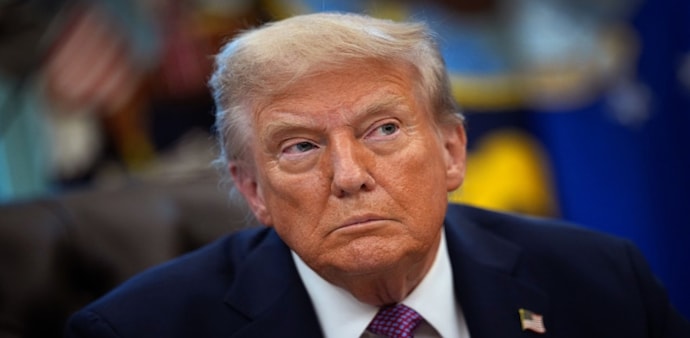
President Donald Trump, commenting on Truth Social, defended the enforcement. “Your investments are welcome... but we ask that you hire and train American workers,” he said.
- Sep 8, 2025,
- Updated Sep 8, 2025 7:55 AM IST
The detention of nearly 400 South Korean technicians at Hyundai’s battery plant in Georgia is sending a chilling signal — not just to U.S. allies like South Korea, but also to the thousands of Indian students and professionals betting on careers abroad.
Puneet Suri, venture capitalist at ASISA.VC, called the raid a “strong message” from the U.S., writing on LinkedIn that even highly skilled workers from close allies are no longer immune to tightening immigration enforcement.
“These were not semi-skilled workmen but well-trained technical staff,” Suri noted, suggesting the workers may have entered on tourist visas — a common, though risky, workaround used in international business travel. “Many of us still travel on tourist visas and do business meetings abroad. It must be something similar.”
The comments come in the wake of last Thursday’s immigration raid at Hyundai’s car battery plant in Ellabell, Georgia, where U.S. federal agents detained 475 foreign workers. South Korea is now working to repatriate around 300 of its citizens from the site.
President Donald Trump, commenting on Truth Social, defended the enforcement. “Your investments are welcome... but we ask that you hire and train American workers,” he said, adding that the U.S. would facilitate legal entry for skilled foreign experts — but within the rules.
Suri warned that the fallout extends beyond Korea. “India has around 14 lakh students abroad and I would assume probably 50% in the USA. Their chances of getting a job looks remote unless they are Ivy League,” he wrote. Indian students in Canada and the UK, too, are reportedly struggling with internships and job offers.
“The money spent on their foreign degrees needs to be salvaged,” Suri said, urging Indian students to start preparing for careers back home — not abroad.
The arrests have drawn diplomatic criticism in Seoul, particularly over footage showing armored vehicles and workers in shackles. But the message from Washington appears firm: Hire local, follow the law.
The detention of nearly 400 South Korean technicians at Hyundai’s battery plant in Georgia is sending a chilling signal — not just to U.S. allies like South Korea, but also to the thousands of Indian students and professionals betting on careers abroad.
Puneet Suri, venture capitalist at ASISA.VC, called the raid a “strong message” from the U.S., writing on LinkedIn that even highly skilled workers from close allies are no longer immune to tightening immigration enforcement.
“These were not semi-skilled workmen but well-trained technical staff,” Suri noted, suggesting the workers may have entered on tourist visas — a common, though risky, workaround used in international business travel. “Many of us still travel on tourist visas and do business meetings abroad. It must be something similar.”
The comments come in the wake of last Thursday’s immigration raid at Hyundai’s car battery plant in Ellabell, Georgia, where U.S. federal agents detained 475 foreign workers. South Korea is now working to repatriate around 300 of its citizens from the site.
President Donald Trump, commenting on Truth Social, defended the enforcement. “Your investments are welcome... but we ask that you hire and train American workers,” he said, adding that the U.S. would facilitate legal entry for skilled foreign experts — but within the rules.
Suri warned that the fallout extends beyond Korea. “India has around 14 lakh students abroad and I would assume probably 50% in the USA. Their chances of getting a job looks remote unless they are Ivy League,” he wrote. Indian students in Canada and the UK, too, are reportedly struggling with internships and job offers.
“The money spent on their foreign degrees needs to be salvaged,” Suri said, urging Indian students to start preparing for careers back home — not abroad.
The arrests have drawn diplomatic criticism in Seoul, particularly over footage showing armored vehicles and workers in shackles. But the message from Washington appears firm: Hire local, follow the law.