
'Entry-level techies won’t meet the bar': New H-1B plan could put highly paid first in line
In its most radical overhaul of the program since 1990, U.S. Citizenship and Immigration Services (USCIS) has proposed reshaping the visa lottery to favor applicants with the highest salaries.
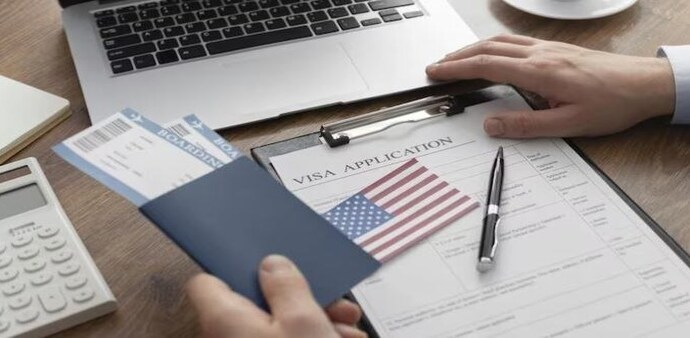
- Sep 23, 2025,
- Updated Sep 23, 2025 6:34 AM IST
The Donald Trump administration is turning the H-1B visa into a high-roller game, proposing sweeping changes that would reward six-figure earners, shut out entry-level tech talent, and hit Indian workers the hardest.
In its most radical overhaul of the program since 1990, U.S. Citizenship and Immigration Services (USCIS) has proposed reshaping the visa lottery to favor applicants with the highest salaries.
This comes just days after the administration slapped a $100,000 fee on all new H-1B applications filed after September 21.
The two-pronged move is designed to restrict access to the U.S. job market and redefine who qualifies as “skilled” under the program.
“These proposals mirror past efforts to raise prevailing wages, which made H-1B hiring far more costly,” Henry Lindpere, immigration attorney at Manifest Law, was quoted as saying in a Hindustan Times report. “Now, only the highest-paid candidates may stand a real chance.”
Currently, all qualified applicants are entered into a random lottery. Under the new plan, USCIS would prioritize visa slots based on wages, effectively pricing out early-career professionals—many of them recent graduates from India.
“This will collapse the education-to-employment path in the U.S.,” Silicon Valley investor Debarghya Das said in the same report.
“Entry-level workers simply won’t meet the wage bar.”
Indian nationals, who account for over 70% of H-1B recipients, stand to lose the most. Indian IT firms, already squeezed by rising compliance costs, may be forced to scale back their U.S. operations.
The changes follow a 2025 Heritage Institute report that claimed the visa system has been exploited to import cheap labor, not elite talent. Backed by Commerce Secretary Howard Lutnick and USCIS Director Joseph Edlow, the reforms aim to reframe the program as a channel for only the highest-paid, most “desirable” foreign professionals.
The Donald Trump administration is turning the H-1B visa into a high-roller game, proposing sweeping changes that would reward six-figure earners, shut out entry-level tech talent, and hit Indian workers the hardest.
In its most radical overhaul of the program since 1990, U.S. Citizenship and Immigration Services (USCIS) has proposed reshaping the visa lottery to favor applicants with the highest salaries.
This comes just days after the administration slapped a $100,000 fee on all new H-1B applications filed after September 21.
The two-pronged move is designed to restrict access to the U.S. job market and redefine who qualifies as “skilled” under the program.
“These proposals mirror past efforts to raise prevailing wages, which made H-1B hiring far more costly,” Henry Lindpere, immigration attorney at Manifest Law, was quoted as saying in a Hindustan Times report. “Now, only the highest-paid candidates may stand a real chance.”
Currently, all qualified applicants are entered into a random lottery. Under the new plan, USCIS would prioritize visa slots based on wages, effectively pricing out early-career professionals—many of them recent graduates from India.
“This will collapse the education-to-employment path in the U.S.,” Silicon Valley investor Debarghya Das said in the same report.
“Entry-level workers simply won’t meet the wage bar.”
Indian nationals, who account for over 70% of H-1B recipients, stand to lose the most. Indian IT firms, already squeezed by rising compliance costs, may be forced to scale back their U.S. operations.
The changes follow a 2025 Heritage Institute report that claimed the visa system has been exploited to import cheap labor, not elite talent. Backed by Commerce Secretary Howard Lutnick and USCIS Director Joseph Edlow, the reforms aim to reframe the program as a channel for only the highest-paid, most “desirable” foreign professionals.