
Got a Schengen visa? Your 90-day stay doesn't mean what you think - 90/180 rule explained
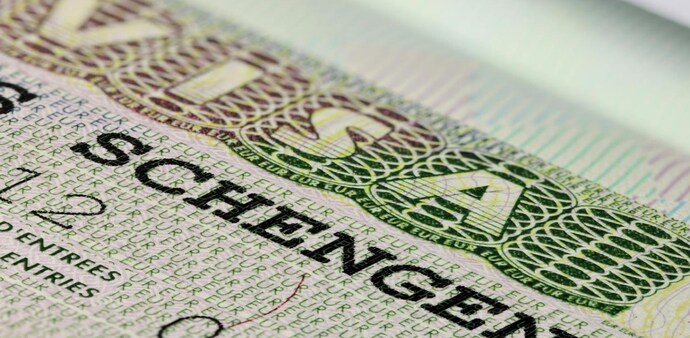
Amid rising tourist interest in France, Germany and the Netherlands, travellers are struggling to interpret three key terms printed on every Schengen visa: “validity period,” “duration of stay,” and “number of entries”
- Aug 1, 2025,
- Updated Aug 1, 2025 4:51 PM IST
A 90-day Schengen visa with multiple entry might seem like a golden ticket to unrestricted travel across Europe, but for many Indian travellers, it’s a source of costly confusion.
Amid rising tourist interest in France, Germany and the Netherlands, travellers are struggling to interpret three key terms printed on every Schengen visa: “validity period,” “duration of stay,” and “number of entries.” While they sound straightforward, their interaction is anything but.
According to the official European Commission visa policy page, a Schengen visa with a validity from July 15 to October 15 and a “duration of stay: 90 days” means you may spend a maximum of 90 days total within any rolling 180-day period, not 90 days every time you enter.
The 90/180 rule: Explained
The European Union’s 90/180 rule means that Indian passport holders (and others with a short-stay visa) can only stay 90 cumulative days in the Schengen Area within any 180-day period. This applies no matter how many entries they make. The EU even provides an official calculator to help travellers track their stay.
In other words, if you visit Germany for 40 days, leave, and then return for 30 more, you have just 20 days left to legally stay in Schengen countries, until your rolling 180-day window resets.
Common traveller myths and facts
Myth: I have a 90-day visa, so I can stay for 3 months anytime within the next 6 months.
Fact: You may only stay up to 90 days total in any rolling 180-day window. The clock doesn’t reset with each entry.
Myth: Multiple entries mean I get 90 days each time.
Fact: Multiple entry only allows re-entry. It doesn’t reset your 90-day limit.
These are some of the most misunderstood aspects, as also shared in a widely circulated Reddit post by a Bangalore-based couple who received a 90-day multiple-entry French visa in July 2025.
Despite applying for a 16-day trip, the user was granted 90 days, but with the same 180-day restriction.
High validity is not equal to long stay
Schengen consulates often issue visas valid for longer than the intended trip, sometimes even up to 5 years. But the 90/180 rule still applies every time. This is particularly relevant for Indian entrepreneurs, freelancers, or digital nomads making frequent short visits.
What happens if you overstay?
Overstaying your Schengen visa, even by one day, can trigger fines, deportation, or re-entry bans. Immigration officers can verify your stay using passport stamps and entry/exit records shared among Schengen states.
Germany’s Federal Foreign Office notes: “Overstaying the permitted 90 days can result in refusal of entry or even entry bans for up to 5 years.” (source: Auswärtiges Amt)
Tips to avoid violations:
-
Use the EU calculator before booking tickets.
-
Track each Schengen day used, even layovers count.
-
Don’t assume visa validity equals stay entitlement.
-
Keep a physical record of past visits with passport copies if applying again.
A 90-day Schengen visa with multiple entry might seem like a golden ticket to unrestricted travel across Europe, but for many Indian travellers, it’s a source of costly confusion.
Amid rising tourist interest in France, Germany and the Netherlands, travellers are struggling to interpret three key terms printed on every Schengen visa: “validity period,” “duration of stay,” and “number of entries.” While they sound straightforward, their interaction is anything but.
According to the official European Commission visa policy page, a Schengen visa with a validity from July 15 to October 15 and a “duration of stay: 90 days” means you may spend a maximum of 90 days total within any rolling 180-day period, not 90 days every time you enter.
The 90/180 rule: Explained
The European Union’s 90/180 rule means that Indian passport holders (and others with a short-stay visa) can only stay 90 cumulative days in the Schengen Area within any 180-day period. This applies no matter how many entries they make. The EU even provides an official calculator to help travellers track their stay.
In other words, if you visit Germany for 40 days, leave, and then return for 30 more, you have just 20 days left to legally stay in Schengen countries, until your rolling 180-day window resets.
Common traveller myths and facts
Myth: I have a 90-day visa, so I can stay for 3 months anytime within the next 6 months.
Fact: You may only stay up to 90 days total in any rolling 180-day window. The clock doesn’t reset with each entry.
Myth: Multiple entries mean I get 90 days each time.
Fact: Multiple entry only allows re-entry. It doesn’t reset your 90-day limit.
These are some of the most misunderstood aspects, as also shared in a widely circulated Reddit post by a Bangalore-based couple who received a 90-day multiple-entry French visa in July 2025.
Despite applying for a 16-day trip, the user was granted 90 days, but with the same 180-day restriction.
High validity is not equal to long stay
Schengen consulates often issue visas valid for longer than the intended trip, sometimes even up to 5 years. But the 90/180 rule still applies every time. This is particularly relevant for Indian entrepreneurs, freelancers, or digital nomads making frequent short visits.
What happens if you overstay?
Overstaying your Schengen visa, even by one day, can trigger fines, deportation, or re-entry bans. Immigration officers can verify your stay using passport stamps and entry/exit records shared among Schengen states.
Germany’s Federal Foreign Office notes: “Overstaying the permitted 90 days can result in refusal of entry or even entry bans for up to 5 years.” (source: Auswärtiges Amt)
Tips to avoid violations:
-
Use the EU calculator before booking tickets.
-
Track each Schengen day used, even layovers count.
-
Don’t assume visa validity equals stay entitlement.
-
Keep a physical record of past visits with passport copies if applying again.