
Henley Passport Index 2026: Indian passport climbs 10 spots. Check these visa-free destinations
India’s mobility score has seen notable swings over the past two decades. After reaching a peak rank of 71st in 2006, the passport gradually lost ground, slipping to 80th in 2024 and then to 85th, reflecting tighter global entry rules during and after the pandemic years.
- Feb 13, 2026,
- Updated Feb 13, 2026 5:56 PM IST
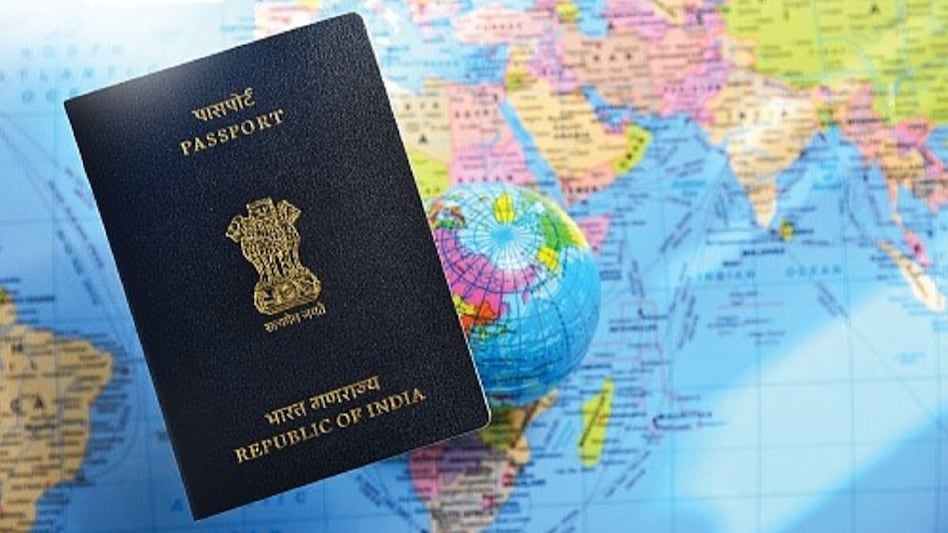
India’s passport has climbed significantly in global mobility rankings, reflecting a gradual restoration of international travel access for its citizens after several years of fluctuation.
According to the latest edition of the Henley & Partners Passport Index, India now ranks 75th, a marked improvement from 85th place last year. The jump signals renewed momentum in visa access as international travel normalises and diplomatic mobility arrangements expand.
The Henley Passport Index, widely tracked by governments and immigration experts, measures the strength of passports based on how many destinations holders can enter without obtaining a prior visa. In the current rankings, Indian passport holders enjoy visa-free or visa-on-arrival access to 56 destinations worldwide, up from recent years when access had narrowed.
Recovery after years of decline
India’s mobility score has seen notable swings over the past two decades. After reaching a peak rank of 71st in 2006, the passport gradually lost ground, slipping to 80th in 2024 and then to 85th, reflecting tighter global entry rules during and after the pandemic years.
The latest rise to 75th suggests a slow but steady recovery, though analysts note that India still has ground to cover before returning to its best-ever performance.
Where Indians can travel visa-free or with visa-on-arrival
Indian passport holders can currently access a diverse mix of destinations across Asia, Africa, the Caribbean and Oceania without needing a prior visa.
Countries Indians can visit visa-free (Travel without any visa formalities)
- Angola, Barbados, Bhutan, British Virgin Islands, Cook Islands, Dominica, Fiji, Grenada, Haiti, Iran, Jamaica, Kazakhstan, Kiribati, Macao (SAR China), Malaysia, Maldives, Mauritius, Micronesia, Montserrat, Nepal, Philippines, Rwanda, Senegal, Seychelles, St. Kitts and Nevis, St. Vincent and the Grenadines, Trinidad and Tobago, Vanuatu, Thailand.
Countries Offering Visa on Arrival to Indians (Visa issued after landing; no pre-travel approval required)
- Bolivia, Burundi, Cambodia, Cape Verde Islands, Comoro Islands, Djibouti, Ethiopia, Guinea-Bissau, Indonesia, Jordan, Laos, Madagascar, Marshall Islands, Mongolia, Mozambique, Myanmar, Niue, Palau Islands, Qatar, Samoa, Sierra Leone, Sri Lanka, St. Lucia, Tanzania, Timor-Leste, Tuvalu, Zimbabwe.
(Entry conditions, duration of stay, and eligibility may vary by destination and travel purpose.)
What the ranking means
The Henley Passport Index is often viewed as a proxy for diplomatic reach, bilateral agreements and global perception of migration risk. A higher ranking generally reflects stronger international relationships and reciprocal travel arrangements.
Despite the improvement, India remains behind many major economies in terms of travel freedom. Experts say sustained gains will depend on new visa-waiver agreements, deeper trade ties and mobility partnerships with developed regions.
India’s passport has climbed significantly in global mobility rankings, reflecting a gradual restoration of international travel access for its citizens after several years of fluctuation.
According to the latest edition of the Henley & Partners Passport Index, India now ranks 75th, a marked improvement from 85th place last year. The jump signals renewed momentum in visa access as international travel normalises and diplomatic mobility arrangements expand.
The Henley Passport Index, widely tracked by governments and immigration experts, measures the strength of passports based on how many destinations holders can enter without obtaining a prior visa. In the current rankings, Indian passport holders enjoy visa-free or visa-on-arrival access to 56 destinations worldwide, up from recent years when access had narrowed.
Recovery after years of decline
India’s mobility score has seen notable swings over the past two decades. After reaching a peak rank of 71st in 2006, the passport gradually lost ground, slipping to 80th in 2024 and then to 85th, reflecting tighter global entry rules during and after the pandemic years.
The latest rise to 75th suggests a slow but steady recovery, though analysts note that India still has ground to cover before returning to its best-ever performance.
Where Indians can travel visa-free or with visa-on-arrival
Indian passport holders can currently access a diverse mix of destinations across Asia, Africa, the Caribbean and Oceania without needing a prior visa.
Countries Indians can visit visa-free (Travel without any visa formalities)
- Angola, Barbados, Bhutan, British Virgin Islands, Cook Islands, Dominica, Fiji, Grenada, Haiti, Iran, Jamaica, Kazakhstan, Kiribati, Macao (SAR China), Malaysia, Maldives, Mauritius, Micronesia, Montserrat, Nepal, Philippines, Rwanda, Senegal, Seychelles, St. Kitts and Nevis, St. Vincent and the Grenadines, Trinidad and Tobago, Vanuatu, Thailand.
Countries Offering Visa on Arrival to Indians (Visa issued after landing; no pre-travel approval required)
- Bolivia, Burundi, Cambodia, Cape Verde Islands, Comoro Islands, Djibouti, Ethiopia, Guinea-Bissau, Indonesia, Jordan, Laos, Madagascar, Marshall Islands, Mongolia, Mozambique, Myanmar, Niue, Palau Islands, Qatar, Samoa, Sierra Leone, Sri Lanka, St. Lucia, Tanzania, Timor-Leste, Tuvalu, Zimbabwe.
(Entry conditions, duration of stay, and eligibility may vary by destination and travel purpose.)
What the ranking means
The Henley Passport Index is often viewed as a proxy for diplomatic reach, bilateral agreements and global perception of migration risk. A higher ranking generally reflects stronger international relationships and reciprocal travel arrangements.
Despite the improvement, India remains behind many major economies in terms of travel freedom. Experts say sustained gains will depend on new visa-waiver agreements, deeper trade ties and mobility partnerships with developed regions.