
New Schengen biometric Entry/Exit System to launch this week; What changes: All you need to know
This new system uses facial recognition and fingerprints to confirm identity and automatically log entry and exit details, enhancing both speed and security
- Oct 7, 2025,
- Updated Oct 7, 2025 12:27 PM IST
Starting October 12, Schengen countries will roll out a new Entry/Exit System (EES), marking a significant upgrade in border control procedures. This digital shift will replace traditional passport stamping with automated biometric checks, allowing travellers to pass through border control with a simple scan of their passport and face, no waiting in long queues.
This new system uses facial recognition and fingerprints to confirm identity and automatically log entry and exit details, enhancing both speed and security. As a result, the days of waiting for a passport stamp are over.
What exactly is the EES?
First announced in 2022 and already delayed multiple times, the EES is designed to track the movements of non-EU travellers entering and exiting the Schengen Area. It will require UK and other visa-free travellers to scan their passports, faces, and fingerprints at automated kiosks. The data collected will be valid for three years and used to identify overstayers, detect fake identities, and enhance border security.
The EES is designed to make travel faster and more secure by automatically logging key details for every traveller entering or leaving the Schengen Zone. The system will record the date, place, and duration of stay, helping to track the 90-day limit that applies to most visitors.
For frequent travellers the EES promises a faster, more predictable experience. Once your data is registered, entering any Schengen country will be quicker and more straightforward. By 2026, this system will be fully operational at all airports, seaports, and land borders across Europe.
This digital system will be particularly beneficial for those visiting family, studying abroad, or exploring Europe for holidays. It reduces border queues, removes the uncertainty of tracking your Schengen days, and simplifies the travel process overall.
Schengen visa transition
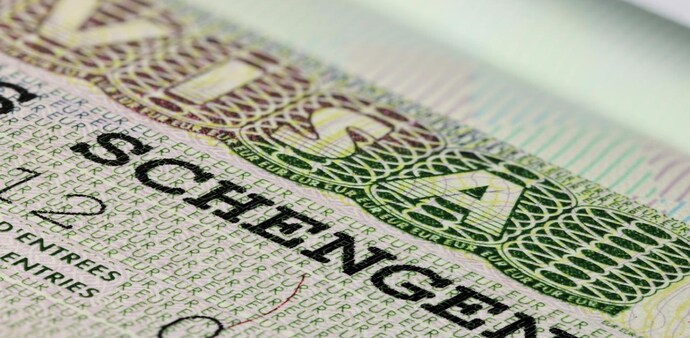
In addition to the new EES, Schengen visas are also undergoing a digital transformation. Starting October 12, travellers will be issued a barcode-based digital visa rather than the traditional visa sticker. This barcode will be scanned at immigration points, eliminating the need for physical visa handling.
Europe’s move to digital border checks is part of a broader push toward tech-first approaches, with initiatives like EES and ETIAS. These systems aim to reduce visa fraud, expedite the process, and improve entry and exit tracking, promising faster processing times and fewer embassy wait times.
When will full implementation happen?
The fully digital Schengen visa system will be gradually rolled out, with the phased launch beginning on October 12, 2025, across all 29 Schengen countries. The full implementation is expected by April 2026. During this transition, both digital and sticker-based visas will coexist, so it’s important to stay updated, especially if you are applying for a multiple-entry visa.
What else should you be aware of?
Despite the convenience, errors can still happen. It’s essential to ensure your visa application is complete and meets all the requirements. Incomplete applications may be rejected, and multiple rejections can harm future approval chances. Always check for updates on eligibility rules or biometric exceptions.
For Indian residents applying for a Schengen visa to Switzerland, VFS Global recently announced that only documents listed on the official checklist will be accepted, ensuring smoother processing.
Starting October 12, Schengen countries will roll out a new Entry/Exit System (EES), marking a significant upgrade in border control procedures. This digital shift will replace traditional passport stamping with automated biometric checks, allowing travellers to pass through border control with a simple scan of their passport and face, no waiting in long queues.
This new system uses facial recognition and fingerprints to confirm identity and automatically log entry and exit details, enhancing both speed and security. As a result, the days of waiting for a passport stamp are over.
What exactly is the EES?
First announced in 2022 and already delayed multiple times, the EES is designed to track the movements of non-EU travellers entering and exiting the Schengen Area. It will require UK and other visa-free travellers to scan their passports, faces, and fingerprints at automated kiosks. The data collected will be valid for three years and used to identify overstayers, detect fake identities, and enhance border security.
The EES is designed to make travel faster and more secure by automatically logging key details for every traveller entering or leaving the Schengen Zone. The system will record the date, place, and duration of stay, helping to track the 90-day limit that applies to most visitors.
For frequent travellers the EES promises a faster, more predictable experience. Once your data is registered, entering any Schengen country will be quicker and more straightforward. By 2026, this system will be fully operational at all airports, seaports, and land borders across Europe.
This digital system will be particularly beneficial for those visiting family, studying abroad, or exploring Europe for holidays. It reduces border queues, removes the uncertainty of tracking your Schengen days, and simplifies the travel process overall.
Schengen visa transition
In addition to the new EES, Schengen visas are also undergoing a digital transformation. Starting October 12, travellers will be issued a barcode-based digital visa rather than the traditional visa sticker. This barcode will be scanned at immigration points, eliminating the need for physical visa handling.
Europe’s move to digital border checks is part of a broader push toward tech-first approaches, with initiatives like EES and ETIAS. These systems aim to reduce visa fraud, expedite the process, and improve entry and exit tracking, promising faster processing times and fewer embassy wait times.
When will full implementation happen?
The fully digital Schengen visa system will be gradually rolled out, with the phased launch beginning on October 12, 2025, across all 29 Schengen countries. The full implementation is expected by April 2026. During this transition, both digital and sticker-based visas will coexist, so it’s important to stay updated, especially if you are applying for a multiple-entry visa.
What else should you be aware of?
Despite the convenience, errors can still happen. It’s essential to ensure your visa application is complete and meets all the requirements. Incomplete applications may be rejected, and multiple rejections can harm future approval chances. Always check for updates on eligibility rules or biometric exceptions.
For Indian residents applying for a Schengen visa to Switzerland, VFS Global recently announced that only documents listed on the official checklist will be accepted, ensuring smoother processing.