
New USCIS policy cuts work permit validity from 5 years to 18 months; delays for green cards, visas
The policy change, which was announced on Thursday, affects Employment Authorization Document (EAD) applications for asylum seekers and other individuals with temporary status
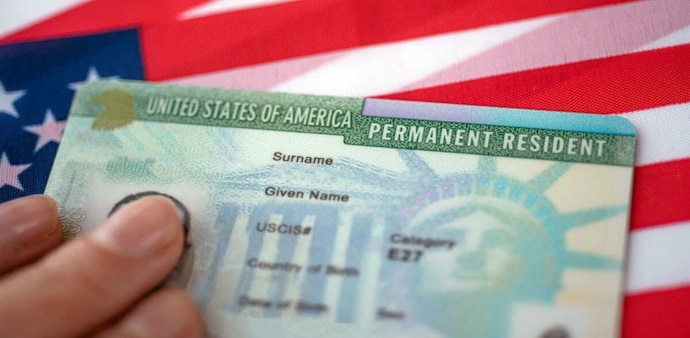
- Dec 5, 2025,
- Updated Dec 5, 2025 1:10 PM IST
In a significant shift, U.S. Citizenship and Immigration Services (USCIS) has revised its policy on Employment Authorization Documents (EADs), reducing the maximum validity period from five years to 18 months for several categories of applications. The updated rule is set to take effect starting December 5, 2025.
The policy change, which was announced on Thursday, affects Employment Authorization Document (EAD) applications for asylum seekers and other individuals with temporary status. Starting December 5, 2025, work permits issued under Form I-765 will be valid for just 18 months instead of the five-year validity previously allowed under a policy introduced in September 2023.
The adjustment marks a departure from the prior policy, which granted a maximum validity period of five years starting in September 2023. The goal of this shift is to allow more frequent vetting of foreign nationals applying for work authorisation, according to USCIS officials.
It’s important to note that EADs issued under the previous policy will remain valid until their stated expiration date. The new policy will only impact future applications and renewals.
The policy change is part of broader steps by the Trump administration to restrict humanitarian benefits for immigrants. This follows a series of measures, including halting immigration requests from several countries, tightening scrutiny, and limiting migration from countries perceived as “high risk.”
For foreign workers holding H-1B visas, the new policy will not affect work authorisation, as these visas automatically grant employment rights. However, the frequent renewal requirements for asylum seekers and others may lead to significant backlogs, leaving applicants without work authorisation while their cases remain pending.
With USCIS already struggling to handle case backlogs, delays for immigrant petitions and work permits have reached a 10-year high. The agency’s focus on enforcement has diverted resources from case processing, leading to slower completion rates and extended waiting times.
In a significant shift, U.S. Citizenship and Immigration Services (USCIS) has revised its policy on Employment Authorization Documents (EADs), reducing the maximum validity period from five years to 18 months for several categories of applications. The updated rule is set to take effect starting December 5, 2025.
The policy change, which was announced on Thursday, affects Employment Authorization Document (EAD) applications for asylum seekers and other individuals with temporary status. Starting December 5, 2025, work permits issued under Form I-765 will be valid for just 18 months instead of the five-year validity previously allowed under a policy introduced in September 2023.
The adjustment marks a departure from the prior policy, which granted a maximum validity period of five years starting in September 2023. The goal of this shift is to allow more frequent vetting of foreign nationals applying for work authorisation, according to USCIS officials.
It’s important to note that EADs issued under the previous policy will remain valid until their stated expiration date. The new policy will only impact future applications and renewals.
The policy change is part of broader steps by the Trump administration to restrict humanitarian benefits for immigrants. This follows a series of measures, including halting immigration requests from several countries, tightening scrutiny, and limiting migration from countries perceived as “high risk.”
For foreign workers holding H-1B visas, the new policy will not affect work authorisation, as these visas automatically grant employment rights. However, the frequent renewal requirements for asylum seekers and others may lead to significant backlogs, leaving applicants without work authorisation while their cases remain pending.
With USCIS already struggling to handle case backlogs, delays for immigrant petitions and work permits have reached a 10-year high. The agency’s focus on enforcement has diverted resources from case processing, leading to slower completion rates and extended waiting times.