
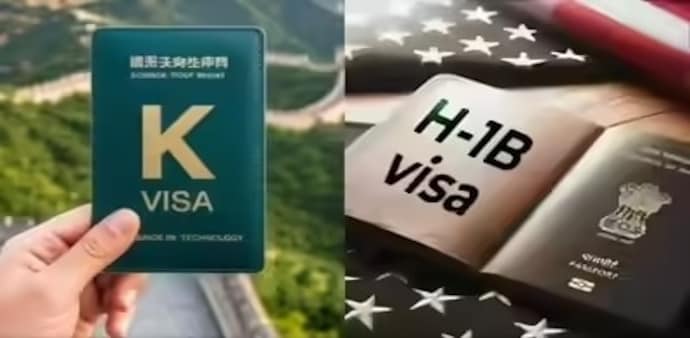
No H-1B, no problem! China to launch K Visa on Oct 1 to attract global STEM talent amid US $100k visa
China’s K Visa sends a clear signal: “qualified talent is welcome here”, potentially boosting China’s soft power among global STEM graduates
- Sep 24, 2025,
- Updated Sep 17, 2026 12:57 PM IST
From October 1, 2025, China will introduce a new K Visa aimed at recruiting overseas young science and technology talent. The move is timed to capitalise on US restrictions on the H-1B visa program, which make it harder for American companies to hire foreign workers.
Starting the 2026 H-1B visa season, US employers will be required to pay a one-time $100,000 fee for filing petitions to hire overseas workers. H-1B visas, a key route for highly skilled foreign workers in specialty occupations, allow holders to settle in the US, pursue a green card, and eventually obtain citizenship. The increased fees, which range from $1,000 to $100,000, have significantly reduced the likelihood of foreign workers securing US job offers.
In contrast, China’s K Visa sends a clear signal: “qualified talent is welcome here”, potentially boosting China’s soft power among global STEM graduates.
What is the K Visa?
-
Applicants do not need a sponsor or Chinese employer
-
Eligibility is based on age, education, and work experience
-
Targets young foreign professionals with a bachelor’s degree or higher in STEM from recognised universities or research institutions in China or abroad
-
Includes those engaged in relevant professional education or research at such institutions
The K Visa also offers greater convenience regarding the number of entries, validity period, and length of stay. Upon entry, holders can engage in educational, scientific, cultural exchanges, entrepreneurship, and business activities.
The Ministry of Foreign Affairs, along with other relevant agencies, is expected to release detailed guidelines before October 1, outlining application procedures, required supporting documents, and the possibility of online submissions.
China’s K Visa emerges as a strategic alternative for young science and technology professionals seeking international opportunities, especially as the US tightens its H-1B visa program with high fees and regulatory hurdles.
From October 1, 2025, China will introduce a new K Visa aimed at recruiting overseas young science and technology talent. The move is timed to capitalise on US restrictions on the H-1B visa program, which make it harder for American companies to hire foreign workers.
Starting the 2026 H-1B visa season, US employers will be required to pay a one-time $100,000 fee for filing petitions to hire overseas workers. H-1B visas, a key route for highly skilled foreign workers in specialty occupations, allow holders to settle in the US, pursue a green card, and eventually obtain citizenship. The increased fees, which range from $1,000 to $100,000, have significantly reduced the likelihood of foreign workers securing US job offers.
In contrast, China’s K Visa sends a clear signal: “qualified talent is welcome here”, potentially boosting China’s soft power among global STEM graduates.
What is the K Visa?
-
Applicants do not need a sponsor or Chinese employer
-
Eligibility is based on age, education, and work experience
-
Targets young foreign professionals with a bachelor’s degree or higher in STEM from recognised universities or research institutions in China or abroad
-
Includes those engaged in relevant professional education or research at such institutions
The K Visa also offers greater convenience regarding the number of entries, validity period, and length of stay. Upon entry, holders can engage in educational, scientific, cultural exchanges, entrepreneurship, and business activities.
The Ministry of Foreign Affairs, along with other relevant agencies, is expected to release detailed guidelines before October 1, outlining application procedures, required supporting documents, and the possibility of online submissions.
China’s K Visa emerges as a strategic alternative for young science and technology professionals seeking international opportunities, especially as the US tightens its H-1B visa program with high fees and regulatory hurdles.