
'Only valuable people are welcome': Top Trump aide on H-1B $100k fee, who it hits and what’s next
Indian tech professionals and IT services firms are hit hardest. India accounts for roughly 71% of all H-1B visa approvals. Companies like Infosys, TCS, Wipro, and U.S. giants Amazon, Google, Microsoft, and Meta will face significant cost spikes .
- Sep 20, 2025,
- Updated Sep 20, 2025 7:25 AM IST
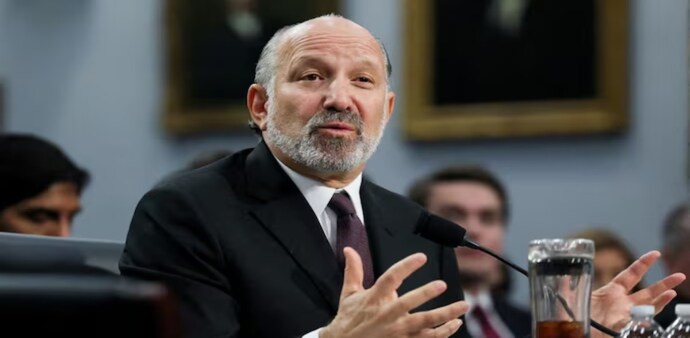
The Trump administration has stunned the global tech sector by slapping a $100,000 annual fee on each H-1B visa application, a move that U.S. Commerce Secretary Howard Lutnick says will end the “nonsense” of foreign workers entering America on cheap visas.
“Stop this nonsense of letting people come to America on visas for free. Only valuable people are welcome,” Lutnick said, framing the policy as a way to ensure only high-impact talent is allowed into the U.S. labor market.
Who it hits
Indian tech professionals and IT services firms are hit hardest. India accounts for roughly 71% of all H-1B visa approvals. Companies like Infosys, TCS, Wipro, and U.S. giants Amazon, Google, Microsoft, and Meta will face significant cost spikes — especially for new and renewal applications.
Why it was done
- The Trump administration claims the fee hike will:
- Curb “overuse” and “abuse” of the H-1B program
- Push companies to prioritize American workers
- Ensure that only critical, non-replaceable foreign roles are filled via visa hires
- Reduce dependency on foreign talent in mid- and junior-level roles
Immediate implications
- Companies are likely to restrict H-1Bs to senior or niche roles
- Offshoring and remote delivery models will accelerate
- Expect a slowdown in on-site hiring and increased investment in local U.S. talent
- Firms may push for more automation and distributed teams
Can this be challenged?
Legal experts suggest that the $100K fee — being a drastic policy shift — may face court challenges or lobbying pressure in Congress, especially from large U.S. tech companies. Industry bodies and diplomatic channels may also seek relief or moderation.
What Indian IT firms may do
- Indian companies are expected to:
- Move work offshore to India and other low-cost hubs
- Automate more processes to reduce headcount needs
- Limit visa filings to top talent only
- Consider alternate global markets like Canada or Europe for expansion
The Trump administration has stunned the global tech sector by slapping a $100,000 annual fee on each H-1B visa application, a move that U.S. Commerce Secretary Howard Lutnick says will end the “nonsense” of foreign workers entering America on cheap visas.
“Stop this nonsense of letting people come to America on visas for free. Only valuable people are welcome,” Lutnick said, framing the policy as a way to ensure only high-impact talent is allowed into the U.S. labor market.
Who it hits
Indian tech professionals and IT services firms are hit hardest. India accounts for roughly 71% of all H-1B visa approvals. Companies like Infosys, TCS, Wipro, and U.S. giants Amazon, Google, Microsoft, and Meta will face significant cost spikes — especially for new and renewal applications.
Why it was done
- The Trump administration claims the fee hike will:
- Curb “overuse” and “abuse” of the H-1B program
- Push companies to prioritize American workers
- Ensure that only critical, non-replaceable foreign roles are filled via visa hires
- Reduce dependency on foreign talent in mid- and junior-level roles
Immediate implications
- Companies are likely to restrict H-1Bs to senior or niche roles
- Offshoring and remote delivery models will accelerate
- Expect a slowdown in on-site hiring and increased investment in local U.S. talent
- Firms may push for more automation and distributed teams
Can this be challenged?
Legal experts suggest that the $100K fee — being a drastic policy shift — may face court challenges or lobbying pressure in Congress, especially from large U.S. tech companies. Industry bodies and diplomatic channels may also seek relief or moderation.
What Indian IT firms may do
- Indian companies are expected to:
- Move work offshore to India and other low-cost hubs
- Automate more processes to reduce headcount needs
- Limit visa filings to top talent only
- Consider alternate global markets like Canada or Europe for expansion