
Planning your next backpacking solo trip to Europe? Here's how you can apply for a Schengen Visa
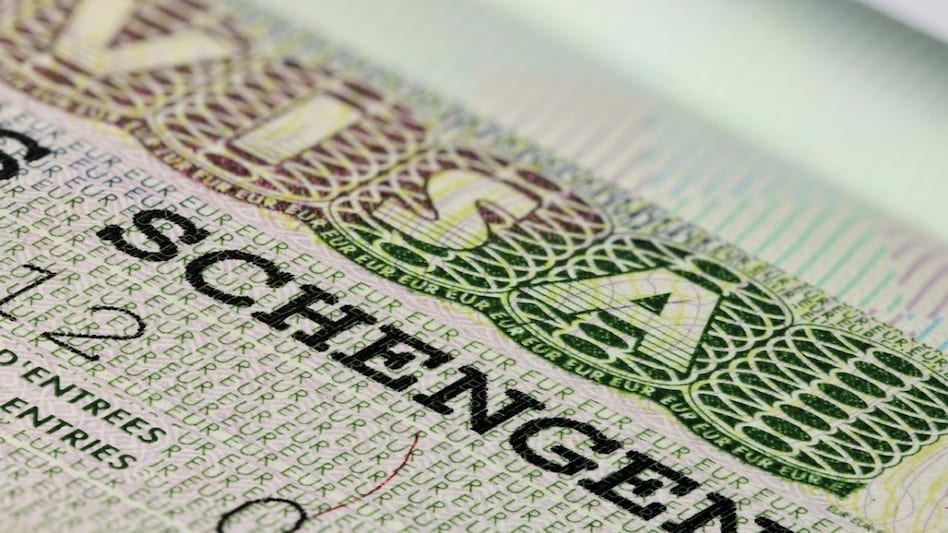
As a short-stay visa, Schengen visa covers tourism, business, visiting family or transit, allowing holders to remain in Schengen countries for a maximum of 90 days within 180 days
- Feb 25, 2025,
- Updated Feb 25, 2025 6:21 PM IST
If you hold an Indian passport, a Schengen Visa is your golden ticket to travelling across 27 European countries on a single visa. But securing approval isn’t always easy.
As a short-stay visa, Schengen visa covers tourism, business, visiting family or transit, allowing holders to remain in Schengen countries for a maximum of 90 days within 180 days. Since Indian passport holders don’t have visa-free access, a Schengen Visa is your best option for hassle-free mobility across Europe.
Here is your detailed guide on how to apply for a Schengen Visa and other important details to note:
For Indian passport holders, there’s no visa-free access to the Schengen Zone. That means applying for a Schengen Visa—which covers multiple European destinations—well in advance of your trip.
Types of Schengen Visas
Indians can apply for different types of Schengen Visas depending on their purpose:
-
Tourist Visa: For vacations
-
Business Visa: For corporate events, meetings
-
Family Visit Visa: For visiting relatives
-
Transit Visa: For layovers in Schengen airports
Where you apply depends on your travel itinerary:
-
Single-country trip: Apply at that country’s embassy/consulate.
-
Multiple-country trip: Apply at the embassy of the country where you’ll stay the longest.
Advertisement -
Equal stay duration: Apply at the country of first entry.
Visa costs, processing time & key documents
In June last year, adult Schengen visa fees increased to 90 euros from 80 euros, while children between the ages of 6 and 12 will now pay 45 euros instead of 40 euros. It is still free for those applying between the ages of 0 and 6 (under six). Standard approval time ranges from 15-30 days, so applicants should apply at least 45-60 days before departure.
Documents required
- Valid passport (6 months validity, 2 blank pages)
- Visa application form
- Flight & hotel reservations (or an invitation letter)
- Travel insurance (€30,000 minimum coverage)
- Bank statements & income proof
Schengen visas and rejections
Common reasons for rejection
- Insufficient proof of funds.
- Inadequate travel insurance coverage.
- Unclear purpose of visit or suspicion of non-return.
Appealing a visa rejection
- Applicants can submit an appeal to the relevant embassy or consulate, provided the Member State allows appeals.
- Supporting documents addressing the stated reasons for refusal must accompany the appeal.
- The appeal must be filed within the specified deadline mentioned in the refusal notification.
Recommendations for reapplying
- Address the reasons for previous refusals thoroughly in the new application.
- Seek guidance from embassy officials to ensure compliance with visa requirements.
Try applying through Lithuania, Estonia, or Greece, which have higher approval rates. Strong bank statements and a clear travel itinerary also improve your chances.
If you hold an Indian passport, a Schengen Visa is your golden ticket to travelling across 27 European countries on a single visa. But securing approval isn’t always easy.
As a short-stay visa, Schengen visa covers tourism, business, visiting family or transit, allowing holders to remain in Schengen countries for a maximum of 90 days within 180 days. Since Indian passport holders don’t have visa-free access, a Schengen Visa is your best option for hassle-free mobility across Europe.
Here is your detailed guide on how to apply for a Schengen Visa and other important details to note:
For Indian passport holders, there’s no visa-free access to the Schengen Zone. That means applying for a Schengen Visa—which covers multiple European destinations—well in advance of your trip.
Types of Schengen Visas
Indians can apply for different types of Schengen Visas depending on their purpose:
-
Tourist Visa: For vacations
-
Business Visa: For corporate events, meetings
-
Family Visit Visa: For visiting relatives
-
Transit Visa: For layovers in Schengen airports
Where you apply depends on your travel itinerary:
-
Single-country trip: Apply at that country’s embassy/consulate.
-
Multiple-country trip: Apply at the embassy of the country where you’ll stay the longest.
Advertisement -
Equal stay duration: Apply at the country of first entry.
Visa costs, processing time & key documents
In June last year, adult Schengen visa fees increased to 90 euros from 80 euros, while children between the ages of 6 and 12 will now pay 45 euros instead of 40 euros. It is still free for those applying between the ages of 0 and 6 (under six). Standard approval time ranges from 15-30 days, so applicants should apply at least 45-60 days before departure.
Documents required
- Valid passport (6 months validity, 2 blank pages)
- Visa application form
- Flight & hotel reservations (or an invitation letter)
- Travel insurance (€30,000 minimum coverage)
- Bank statements & income proof
Schengen visas and rejections
Common reasons for rejection
- Insufficient proof of funds.
- Inadequate travel insurance coverage.
- Unclear purpose of visit or suspicion of non-return.
Appealing a visa rejection
- Applicants can submit an appeal to the relevant embassy or consulate, provided the Member State allows appeals.
- Supporting documents addressing the stated reasons for refusal must accompany the appeal.
- The appeal must be filed within the specified deadline mentioned in the refusal notification.
Recommendations for reapplying
- Address the reasons for previous refusals thoroughly in the new application.
- Seek guidance from embassy officials to ensure compliance with visa requirements.
Try applying through Lithuania, Estonia, or Greece, which have higher approval rates. Strong bank statements and a clear travel itinerary also improve your chances.