
₹6 lakh/month, no suits, no MBA, just a truck and the American life they lost overnight
With the U.S. government suddenly freezing work visas and commercial driving licenses (CDLs) for foreign nationals, one of the most lucrative blue-collar pipelines for Indians has gone silent.
- Aug 26, 2025,
- Updated Aug 26, 2025 9:54 AM IST
Imagine earning ₹6 lakh a month behind the wheel. No MBA, no tech job—just a big rig, a U.S. highway, and the grind. For thousands of Indian men, mostly from Punjab and Haryana, trucking in America wasn’t just a job. It was the fastest way to wealth. The dream was simple: drive, earn, send money home, and rise.
Now, that dream has been cut off at the knees.
With the U.S. government suddenly freezing work visas and commercial driving licenses (CDLs) for foreign nationals, one of the most lucrative blue-collar pipelines for Indians has gone silent. For those already driving and for the tens of thousands preparing to join them, the shutdown isn’t just a legal hurdle—it’s a financial gut punch.
The money was no secret. Truckers in the U.S. earn an average of $0.60–$0.70 per mile. At 500–600 miles a day, that’s a monthly haul of ₹4.2–₹6.7 lakh. Hourly rates for local or short-haul runs range from ₹1,680 to ₹2,520, depending on experience and geography. Annual salaries average ₹40 lakh—and that’s just the baseline.
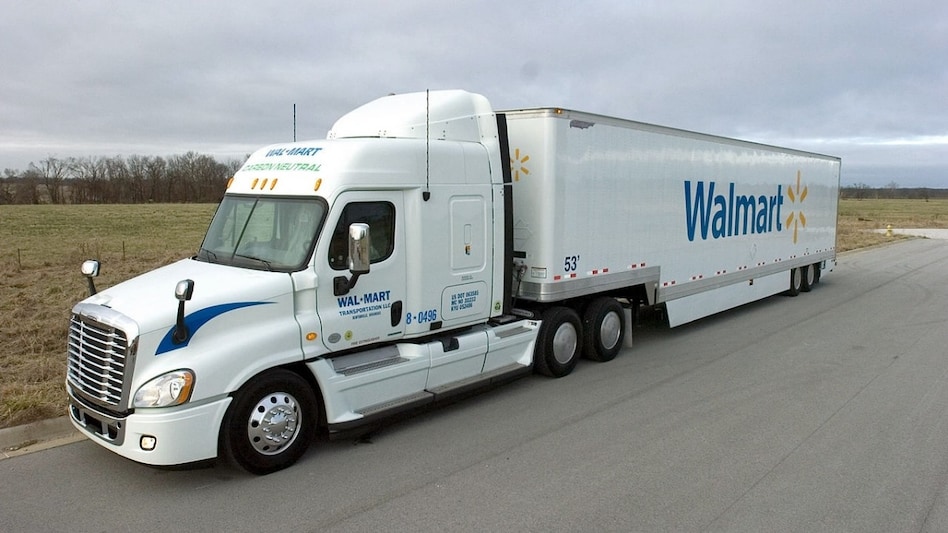
Elite drivers working for companies like Walmart or Amazon routinely pulled in upwards of ₹92 lakh a year. Owner-operators—those who managed their own rigs and routes—earned even more, sometimes breaking ₹1 crore annually. For comparison, the average engineer or mid-level tech worker in India takes home ₹10–₹15 lakh a year. U.S. trucking crushed that in six months.
This wasn’t a fantasy for a handful of outliers—it became a full-blown migration model. From 2016 to 2018 alone, over 30,000 Sikh immigrants joined the U.S. trucking industry. The roads of California, Washington, and Oregon were soon dotted with Punjabi names on trucks, rest stops, logistics firms, and driving schools.
California’s Central Valley, in particular, turned into a Punjabi trucking powerhouse. In some stretches, Indian drivers made up 40–50% of the fleet. Back home, entire villages were built on the money wired in from Bakersfield, Fresno, and Sacramento.
And it wasn’t just about wealth. Trucking offered something rare: dignity. Drivers weren’t forced to hide their faith. They could wear turbans, grow beards, pray on schedule, and live on their own terms. For many, it was the first job that offered both income and identity.
Now, that entire pipeline has been frozen. Driving schools in India are already reporting mass cancellations. Migration agents say aspiring drivers are backing out mid-process. And for those already in the U.S., there’s anxiety over visa renewals and job security.
Imagine earning ₹6 lakh a month behind the wheel. No MBA, no tech job—just a big rig, a U.S. highway, and the grind. For thousands of Indian men, mostly from Punjab and Haryana, trucking in America wasn’t just a job. It was the fastest way to wealth. The dream was simple: drive, earn, send money home, and rise.
Now, that dream has been cut off at the knees.
With the U.S. government suddenly freezing work visas and commercial driving licenses (CDLs) for foreign nationals, one of the most lucrative blue-collar pipelines for Indians has gone silent. For those already driving and for the tens of thousands preparing to join them, the shutdown isn’t just a legal hurdle—it’s a financial gut punch.
The money was no secret. Truckers in the U.S. earn an average of $0.60–$0.70 per mile. At 500–600 miles a day, that’s a monthly haul of ₹4.2–₹6.7 lakh. Hourly rates for local or short-haul runs range from ₹1,680 to ₹2,520, depending on experience and geography. Annual salaries average ₹40 lakh—and that’s just the baseline.
Elite drivers working for companies like Walmart or Amazon routinely pulled in upwards of ₹92 lakh a year. Owner-operators—those who managed their own rigs and routes—earned even more, sometimes breaking ₹1 crore annually. For comparison, the average engineer or mid-level tech worker in India takes home ₹10–₹15 lakh a year. U.S. trucking crushed that in six months.
This wasn’t a fantasy for a handful of outliers—it became a full-blown migration model. From 2016 to 2018 alone, over 30,000 Sikh immigrants joined the U.S. trucking industry. The roads of California, Washington, and Oregon were soon dotted with Punjabi names on trucks, rest stops, logistics firms, and driving schools.
California’s Central Valley, in particular, turned into a Punjabi trucking powerhouse. In some stretches, Indian drivers made up 40–50% of the fleet. Back home, entire villages were built on the money wired in from Bakersfield, Fresno, and Sacramento.
And it wasn’t just about wealth. Trucking offered something rare: dignity. Drivers weren’t forced to hide their faith. They could wear turbans, grow beards, pray on schedule, and live on their own terms. For many, it was the first job that offered both income and identity.
Now, that entire pipeline has been frozen. Driving schools in India are already reporting mass cancellations. Migration agents say aspiring drivers are backing out mid-process. And for those already in the U.S., there’s anxiety over visa renewals and job security.