
Schengen visa shopping: Why getting a visa from the wrong country can land you in trouble
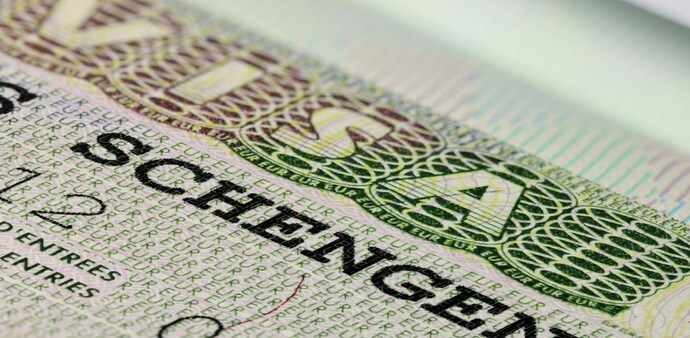
Schengen visa shopping refers to applying for a visa from a Schengen country where approval is faster or easier, even if the traveller has no intention to visit that country
- Aug 15, 2025,
- Updated Aug 15, 2025 3:37 PM IST
A common scenario has emerged among travellers: applying for a Schengen visa from a country that is faster or easier to get approvals, without intending to visit that country.
Reddit users often share experiences like this: “Brief background, my wife and I, with 1 more couple friend, were planning on going to Barcelona first for 3 days and followed by Paris/France for 1 week. So we took the France Schengen visa as we were spending much more time in France. Now the couple friend cancelled last minute from this trip. My wife and I have been to Paris before so now we were thinking since it’s just us, we’ll spend all the time in Barcelona/Spain. But since our Schengen visa is of France, will that create an issue when entering Barcelona if they ask for the itinerary and it is just Spain?”
Another applicant asked, “I plan to visit Portugal, but there are simply no appointments. But a bunch of guys I know said they got visas from Poland and just flew to Lisbon. Is it legal?”
The answer is no, this practice, often called Schengen visa shopping, is illegal.
What is Schengen visa shopping?
Schengen visa shopping refers to applying for a visa from a Schengen country where approval is faster or easier, even if the traveller has no intention to visit that country.
Why travellers attempt it:
-
Lack of visa appointment slots at the embassy or via intermediaries like VFS, especially during peak travel season.
-
Some embassies have a reputation for more lenient processing, which can attract applicants seeking faster approvals.
Advertisement -
Misperception that a Schengen visa is valid for entry anywhere in Europe regardless of the issuing country.
What do the rules say?
The European Union’s diplomatic service clearly states:
-
Applications must be filed at the embassy or consulate of the country the traveller intends to visit.
-
If visiting multiple countries, apply at the country of primary destination (where the stay is longest).
-
If stays are equal, apply at the country whose external borders will be crossed first.
Consequences of visa shopping
Embassies and immigration officers have stepped up checks on travel plans:
“There might be more severe consequences – starting with the refusal of the visa, and if travelling with a different itinerary, ending up to be offloaded from the plane or returned back home from the EU borders,” the Embassy of Estonia said.
Travellers may also face:
-
Requests to show supporting documents upon exit.
-
Questioning during subsequent visa applications.
-
Refusal or denial of entry if the itinerary doesn’t match the visa issuance.
Multi-entry visas and itinerary flexibility
For multi-entry visas, rules are slightly more flexible:
-
Once the first trip complies with visa laws, subsequent trips can be made to any Schengen country.
-
Port of entry does not need to match the issuing country.
Short-stay visas allow up to 90 days in any 180-day period, and once entered legally, travellers can move freely between Schengen states for short durations.
Duration and entry rights
-
A visa does not automatically guarantee entry. Border officers may ask for:
-
Proof of accommodation and travel plans.
-
Sufficient funds to cover the stay and return trip.
-
Copies of documents presented during the visa application (invitations, confirmations, etc.).
-
Key takeaway
Schengen visa shopping may appear convenient, especially during high-demand periods, but it violates EU rules and can lead to refusal or deportation. Travellers are advised to:
-
Apply through the embassy of the primary destination country.
-
Stick to the intended itinerary.
-
Carry all supporting documents at the borders.
Advertisement
Following the rules ensures smoother travel and avoids complications at EU entry points.
A common scenario has emerged among travellers: applying for a Schengen visa from a country that is faster or easier to get approvals, without intending to visit that country.
Reddit users often share experiences like this: “Brief background, my wife and I, with 1 more couple friend, were planning on going to Barcelona first for 3 days and followed by Paris/France for 1 week. So we took the France Schengen visa as we were spending much more time in France. Now the couple friend cancelled last minute from this trip. My wife and I have been to Paris before so now we were thinking since it’s just us, we’ll spend all the time in Barcelona/Spain. But since our Schengen visa is of France, will that create an issue when entering Barcelona if they ask for the itinerary and it is just Spain?”
Another applicant asked, “I plan to visit Portugal, but there are simply no appointments. But a bunch of guys I know said they got visas from Poland and just flew to Lisbon. Is it legal?”
The answer is no, this practice, often called Schengen visa shopping, is illegal.
What is Schengen visa shopping?
Schengen visa shopping refers to applying for a visa from a Schengen country where approval is faster or easier, even if the traveller has no intention to visit that country.
Why travellers attempt it:
-
Lack of visa appointment slots at the embassy or via intermediaries like VFS, especially during peak travel season.
-
Some embassies have a reputation for more lenient processing, which can attract applicants seeking faster approvals.
Advertisement -
Misperception that a Schengen visa is valid for entry anywhere in Europe regardless of the issuing country.
What do the rules say?
The European Union’s diplomatic service clearly states:
-
Applications must be filed at the embassy or consulate of the country the traveller intends to visit.
-
If visiting multiple countries, apply at the country of primary destination (where the stay is longest).
-
If stays are equal, apply at the country whose external borders will be crossed first.
Consequences of visa shopping
Embassies and immigration officers have stepped up checks on travel plans:
“There might be more severe consequences – starting with the refusal of the visa, and if travelling with a different itinerary, ending up to be offloaded from the plane or returned back home from the EU borders,” the Embassy of Estonia said.
Travellers may also face:
-
Requests to show supporting documents upon exit.
-
Questioning during subsequent visa applications.
-
Refusal or denial of entry if the itinerary doesn’t match the visa issuance.
Multi-entry visas and itinerary flexibility
For multi-entry visas, rules are slightly more flexible:
-
Once the first trip complies with visa laws, subsequent trips can be made to any Schengen country.
-
Port of entry does not need to match the issuing country.
Short-stay visas allow up to 90 days in any 180-day period, and once entered legally, travellers can move freely between Schengen states for short durations.
Duration and entry rights
-
A visa does not automatically guarantee entry. Border officers may ask for:
-
Proof of accommodation and travel plans.
-
Sufficient funds to cover the stay and return trip.
-
Copies of documents presented during the visa application (invitations, confirmations, etc.).
-
Key takeaway
Schengen visa shopping may appear convenient, especially during high-demand periods, but it violates EU rules and can lead to refusal or deportation. Travellers are advised to:
-
Apply through the embassy of the primary destination country.
-
Stick to the intended itinerary.
-
Carry all supporting documents at the borders.
Advertisement
Following the rules ensures smoother travel and avoids complications at EU entry points.