
UK visa overhaul 2026: Immigration changes to phase out visa stickers completely, eVisa rollout in pace
The shift centres on the rollout of an electronic visa, or eVisa, which will serve as a digital record of a person’s identity and immigration permission
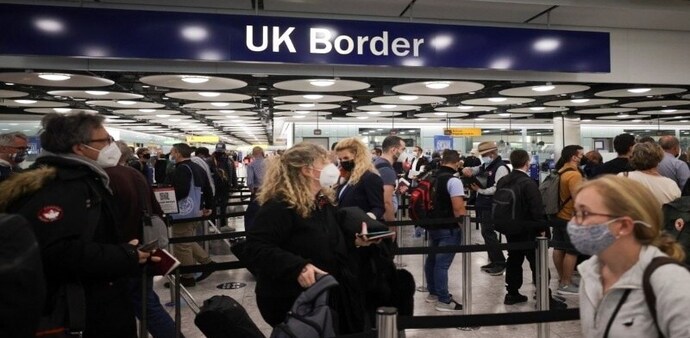
- Jan 14, 2026,
- Updated Jan 14, 2026 11:17 AM IST
The UK government is pressing ahead with a major overhaul of its immigration system, moving steadily toward a fully digital model that will replace physical visa documents with online records of immigration status.
According to UK Visas and Immigration, the shift centres on the rollout of an electronic visa, or eVisa, which will serve as a digital record of a person’s identity and immigration permission. “UK Visas and Immigration (UKVI) are developing a digital immigration system,” the agency said. “This means we are replacing physical documents with a digital record of your identity and immigration status. This is known as an eVisa. We are doing this in a phased approach to manage the transition.”
UKVI said millions of people have already received eVisas since 2018, and that updating an existing physical document to an eVisa “does not affect your immigration status or the conditions of your permission to enter or stay in the UK”.
The agency outlined several advantages of the digital system, saying eVisas are “secure and cannot be lost, stolen or tampered with, unlike a physical document”. It added that applicants “will not need to wait for, or collect, a physical document after your application is decided”, although some may still need to provide biometric information in person.
UKVI also said eVisas make it “quicker and easier to prove your status at the UK border, and share your status with third parties like employers and landlords”. Immigration status information will continue to be shared automatically with some government departments and public authorities when requested, “which will mean you don’t have to”.
Visa stickers to go completely
As part of the transition, UKVI confirmed that eVisas “will replace all visa stickers in 2026”. From 12 January, most people granted a visit visa and some other visa types are being informed that they will receive an eVisa alongside a visa sticker. Most people with a valid visa sticker issued before that date will also be able to access their eVisa through their UKVI account.
Later in 2026, UKVI will stop issuing visa stickers altogether. “All successful applicants will only get an eVisa,” the agency said.
The changes will begin affecting new applications earlier. From 30 October 2025, people applying successfully for certain work, study and family visas, or for indefinite leave to enter, “may not get a visa sticker”. Instead, they will need to access their eVisa through their UKVI account to view the permission granted before travelling to the UK. Applicants will be told how to access their eVisa and whether a visa sticker will still be issued.
The UK government is pressing ahead with a major overhaul of its immigration system, moving steadily toward a fully digital model that will replace physical visa documents with online records of immigration status.
According to UK Visas and Immigration, the shift centres on the rollout of an electronic visa, or eVisa, which will serve as a digital record of a person’s identity and immigration permission. “UK Visas and Immigration (UKVI) are developing a digital immigration system,” the agency said. “This means we are replacing physical documents with a digital record of your identity and immigration status. This is known as an eVisa. We are doing this in a phased approach to manage the transition.”
UKVI said millions of people have already received eVisas since 2018, and that updating an existing physical document to an eVisa “does not affect your immigration status or the conditions of your permission to enter or stay in the UK”.
The agency outlined several advantages of the digital system, saying eVisas are “secure and cannot be lost, stolen or tampered with, unlike a physical document”. It added that applicants “will not need to wait for, or collect, a physical document after your application is decided”, although some may still need to provide biometric information in person.
UKVI also said eVisas make it “quicker and easier to prove your status at the UK border, and share your status with third parties like employers and landlords”. Immigration status information will continue to be shared automatically with some government departments and public authorities when requested, “which will mean you don’t have to”.
Visa stickers to go completely
As part of the transition, UKVI confirmed that eVisas “will replace all visa stickers in 2026”. From 12 January, most people granted a visit visa and some other visa types are being informed that they will receive an eVisa alongside a visa sticker. Most people with a valid visa sticker issued before that date will also be able to access their eVisa through their UKVI account.
Later in 2026, UKVI will stop issuing visa stickers altogether. “All successful applicants will only get an eVisa,” the agency said.
The changes will begin affecting new applications earlier. From 30 October 2025, people applying successfully for certain work, study and family visas, or for indefinite leave to enter, “may not get a visa sticker”. Instead, they will need to access their eVisa through their UKVI account to view the permission granted before travelling to the UK. Applicants will be told how to access their eVisa and whether a visa sticker will still be issued.