
US resumes student visas: What the new social media vetting rule means for you
For Indian students eyeing an American degree this fall, here's everything you need to know about the updated process and how to prepare for it
- Jun 19, 2025,
- Updated Jun 19, 2025 3:38 PM IST
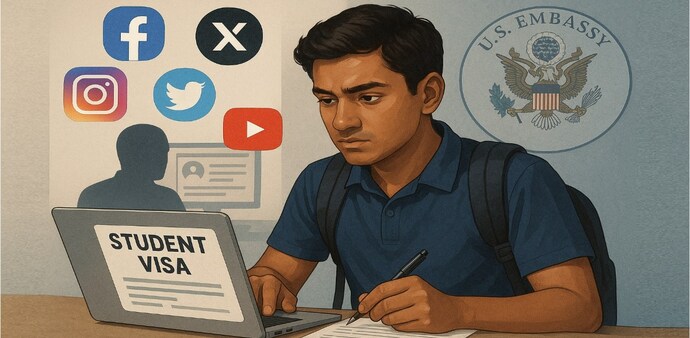
As the United States resumes student visa interviews after a brief pause, a new requirement is taking centre stage: mandatory social media vetting. For Indian students eyeing an American degree this fall, here's everything you need to know about the updated process and how to prepare for it.
What is social media vetting?
In short, U.S. consular officers will now review your public social media activity as part of your background check. This includes posts, interactions and affiliations on platforms like Instagram, Facebook, LinkedIn, Reddit, X (formerly Twitter), and more.
Officers are instructed to flag “any indications of hostility toward the citizens, culture, government, institutions, or founding principles of the United States.”
As the State Department put it, this move is designed to “ensure we are properly screening every single person attempting to visit our country.”
Who does this apply to?
If you're applying for a non-immigrant visa like the F-1 student visa, yes, this applies to you.
The DS-160 visa application now includes a section where you must list the usernames or handles of all social media accounts you've used in the past five years. This requirement also applies to M and J visa categories.
What platforms are included?
The U.S. has listed about 20 platforms on the application form, including:
-
Facebook
-
Instagram
-
X (Twitter)
-
LinkedIn
-
YouTube
-
Reddit
-
TikTok
-
Snapchat
-
Pinterest
-
Tumblr
-
Douban (China)
What about passwords?
No. Officers will only review what's publicly visible. However, you must set your accounts to public during the review period. Hiding or deleting posts right before your application may be seen as suspicious.
Account not active
Even if it's inactive, deleted, or embarrassing, you must disclose it if you’ve used it in the past five years. Leaving it out could be considered misrepresentation and hurt your chances.
This also includes multiple accounts on a single platform—yes, even your “finsta” (fake Instagram). Personal use means personal disclosure.
What about business or organisational accounts?
You're not required to list accounts used only for business or professional purposes. The focus is on personal accounts used for social interaction.
Should I clean up my profiles?
If your content is clean and non-political, you're likely in the clear. But it’s a good idea to review what’s publicly visible. Don’t panic, but don’t hide either. Transparency is key.
As the United States resumes student visa interviews after a brief pause, a new requirement is taking centre stage: mandatory social media vetting. For Indian students eyeing an American degree this fall, here's everything you need to know about the updated process and how to prepare for it.
What is social media vetting?
In short, U.S. consular officers will now review your public social media activity as part of your background check. This includes posts, interactions and affiliations on platforms like Instagram, Facebook, LinkedIn, Reddit, X (formerly Twitter), and more.
Officers are instructed to flag “any indications of hostility toward the citizens, culture, government, institutions, or founding principles of the United States.”
As the State Department put it, this move is designed to “ensure we are properly screening every single person attempting to visit our country.”
Who does this apply to?
If you're applying for a non-immigrant visa like the F-1 student visa, yes, this applies to you.
The DS-160 visa application now includes a section where you must list the usernames or handles of all social media accounts you've used in the past five years. This requirement also applies to M and J visa categories.
What platforms are included?
The U.S. has listed about 20 platforms on the application form, including:
-
Facebook
-
Instagram
-
X (Twitter)
-
LinkedIn
-
YouTube
-
Reddit
-
TikTok
-
Snapchat
-
Pinterest
-
Tumblr
-
Douban (China)
What about passwords?
No. Officers will only review what's publicly visible. However, you must set your accounts to public during the review period. Hiding or deleting posts right before your application may be seen as suspicious.
Account not active
Even if it's inactive, deleted, or embarrassing, you must disclose it if you’ve used it in the past five years. Leaving it out could be considered misrepresentation and hurt your chances.
This also includes multiple accounts on a single platform—yes, even your “finsta” (fake Instagram). Personal use means personal disclosure.
What about business or organisational accounts?
You're not required to list accounts used only for business or professional purposes. The focus is on personal accounts used for social interaction.
Should I clean up my profiles?
If your content is clean and non-political, you're likely in the clear. But it’s a good idea to review what’s publicly visible. Don’t panic, but don’t hide either. Transparency is key.