
‘We are on borrowed time’: Trump visa cap may cut short US degrees for Indians
Currently, Indian students on F-1 visas can remain in the U.S. for as long as their academic program lasts, even if it extends beyond the standard timeline.
- Aug 20, 2025,
- Updated Aug 20, 2025 8:30 AM IST
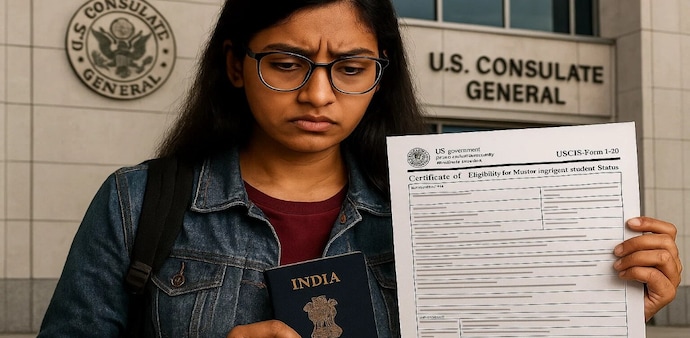
The Trump administration is reviving a controversial plan to impose fixed-term student visas, threatening to end the open-ended “duration of status” policy that has long allowed international students — including over 4.2 lakh Indians — to stay in the U.S. for the full length of their degree. If implemented, the change could force students to renew visas mid-course, disrupting education and undermining America’s appeal to global talent.
Currently, Indian students on F-1 visas can remain in the U.S. for as long as their academic program lasts, even if it extends beyond the standard timeline. But under the Trump administration’s revived proposal, visas would come with strict expiry dates — typically two or four years — regardless of degree progress.
This hits research students the hardest. “PhD and research-track students already face delays from lab work or thesis reviews,” said a faculty advisor at a U.S. university. “Now they may also face visa renewals mid-dissertation.”
The plan isn’t new. Trump first floated fixed-term student visas in 2020, but shelved it after backlash from universities, diplomats, and business leaders. The proposal’s return — with White House clearance and imminent entry into public consultation — signals a renewed effort to tighten immigration pathways even for high-skilled, fee-paying international students.
The draft rule will soon appear in the Federal Register, triggering a 30–60 day public comment period. During this window, universities, advocacy groups, and affected students can submit objections and feedback.
Indian students, who represent a major demographic in U.S. higher education, are being urged to prepare early. That includes tracking DHS updates, factoring renewal costs into budgets, and seeking guidance for extended degree timelines.
Beyond paperwork, the proposed shift raises fundamental questions. “Is the U.S. still serious about attracting the world’s best minds?” an Indian graduate student at a leading U.S. public university was quoted as saying in a TOI report. “Because this tells us we’re on borrowed time.”
The Trump administration is reviving a controversial plan to impose fixed-term student visas, threatening to end the open-ended “duration of status” policy that has long allowed international students — including over 4.2 lakh Indians — to stay in the U.S. for the full length of their degree. If implemented, the change could force students to renew visas mid-course, disrupting education and undermining America’s appeal to global talent.
Currently, Indian students on F-1 visas can remain in the U.S. for as long as their academic program lasts, even if it extends beyond the standard timeline. But under the Trump administration’s revived proposal, visas would come with strict expiry dates — typically two or four years — regardless of degree progress.
This hits research students the hardest. “PhD and research-track students already face delays from lab work or thesis reviews,” said a faculty advisor at a U.S. university. “Now they may also face visa renewals mid-dissertation.”
The plan isn’t new. Trump first floated fixed-term student visas in 2020, but shelved it after backlash from universities, diplomats, and business leaders. The proposal’s return — with White House clearance and imminent entry into public consultation — signals a renewed effort to tighten immigration pathways even for high-skilled, fee-paying international students.
The draft rule will soon appear in the Federal Register, triggering a 30–60 day public comment period. During this window, universities, advocacy groups, and affected students can submit objections and feedback.
Indian students, who represent a major demographic in U.S. higher education, are being urged to prepare early. That includes tracking DHS updates, factoring renewal costs into budgets, and seeking guidance for extended degree timelines.
Beyond paperwork, the proposed shift raises fundamental questions. “Is the U.S. still serious about attracting the world’s best minds?” an Indian graduate student at a leading U.S. public university was quoted as saying in a TOI report. “Because this tells us we’re on borrowed time.”