
US targets naturalised citizens: Green card holders could lose American citizenship, this is how
The Department of Justice (DOJ) has issued orders to aggressively pursue denaturalisation cases as part of a wider push to enforce the administration’s policy goals
- Jul 10, 2025,
- Updated Jul 11, 2025 9:54 AM IST
The U.S. government is ramping up efforts to revoke the citizenship of some naturalised Americans, marking a new priority under directives from President Trump and Attorney General Bondi. The Department of Justice (DOJ) has issued orders to aggressively pursue denaturalisation cases as part of a wider push to enforce the administration’s policy goals.
The US Department of Justice has made the revocation of U.S. citizenship a key focus. “President Trump and Attorney General Bondi have directed all Civil Division Employees to use their enforcement authorities to advance the Administration’s policy objectives.”
A recent DOJ memorandum instructs staff to prioritise investigations and enforcement actions under several categories, one of which is “Prioritising Denaturalisation.”
What is denaturalisation?
Denaturalisation is the official revocation of a person’s U.S. citizenship. “A person is subject to revocation of naturalisation if he or she procured naturalisation illegally. A person is subject to revocation of naturalization if they deliberately misrepresent or fail to disclose material facts during their application and subsequent examination.”
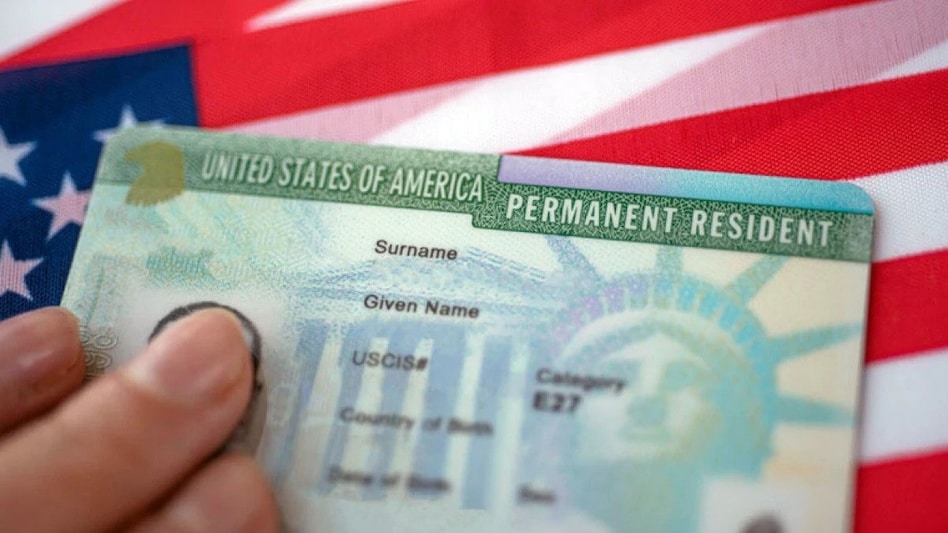
Green Card holders, also known as lawful permanent residents, often become U.S. citizens through naturalisation, a process requiring them to live in the U.S. continuously for five years, demonstrate good moral character, prove English proficiency, and pass a civics exam. However, holding a Green Card alone does not grant U.S. citizenship.
Who are naturalised citizens?
Naturalised citizens are people who were born in another country but later became citizens of the United States through a legal process called naturalisation.
Here’s how it works:
-
They first become lawful permanent residents (green card holders).
-
They must live in the U.S. for a certain number of years (usually five).
-
They have to show good moral character and pass tests on English and U.S. history/government.
-
They then take an oath of allegiance to the United States.
Once naturalised, they have almost all the same rights as Americans born in the US, including the right to vote and apply for a U.S. passport. However, as your earlier story highlights, their citizenship can potentially be revoked if it was obtained through fraud or misrepresentation.
“The Department of Justice memo gives power to Civil Division Employees to institute civil proceedings to revoke a person’s United States citizenship if an individual either ‘illegally procured’ naturalization or procured naturalization by concealment of a material fact or by willful misrepresentation.’”
Besides targeting individuals who obtained citizenship through fraud, denaturalisation efforts also extend to those with criminal records who may pose ongoing threats to national security.
“At a fundamental level, it also supports the overall integrity of the naturalisation program by ensuring that those who unlawfully procured citizenship, including those who obtained it through fraud or concealment of material information, do not maintain the benefits of the unlawful procurement.”
The U.S. government is ramping up efforts to revoke the citizenship of some naturalised Americans, marking a new priority under directives from President Trump and Attorney General Bondi. The Department of Justice (DOJ) has issued orders to aggressively pursue denaturalisation cases as part of a wider push to enforce the administration’s policy goals.
The US Department of Justice has made the revocation of U.S. citizenship a key focus. “President Trump and Attorney General Bondi have directed all Civil Division Employees to use their enforcement authorities to advance the Administration’s policy objectives.”
A recent DOJ memorandum instructs staff to prioritise investigations and enforcement actions under several categories, one of which is “Prioritising Denaturalisation.”
What is denaturalisation?
Denaturalisation is the official revocation of a person’s U.S. citizenship. “A person is subject to revocation of naturalisation if he or she procured naturalisation illegally. A person is subject to revocation of naturalization if they deliberately misrepresent or fail to disclose material facts during their application and subsequent examination.”
Green Card holders, also known as lawful permanent residents, often become U.S. citizens through naturalisation, a process requiring them to live in the U.S. continuously for five years, demonstrate good moral character, prove English proficiency, and pass a civics exam. However, holding a Green Card alone does not grant U.S. citizenship.
Who are naturalised citizens?
Naturalised citizens are people who were born in another country but later became citizens of the United States through a legal process called naturalisation.
Here’s how it works:
-
They first become lawful permanent residents (green card holders).
-
They must live in the U.S. for a certain number of years (usually five).
-
They have to show good moral character and pass tests on English and U.S. history/government.
-
They then take an oath of allegiance to the United States.
Once naturalised, they have almost all the same rights as Americans born in the US, including the right to vote and apply for a U.S. passport. However, as your earlier story highlights, their citizenship can potentially be revoked if it was obtained through fraud or misrepresentation.
“The Department of Justice memo gives power to Civil Division Employees to institute civil proceedings to revoke a person’s United States citizenship if an individual either ‘illegally procured’ naturalization or procured naturalization by concealment of a material fact or by willful misrepresentation.’”
Besides targeting individuals who obtained citizenship through fraud, denaturalisation efforts also extend to those with criminal records who may pose ongoing threats to national security.
“At a fundamental level, it also supports the overall integrity of the naturalisation program by ensuring that those who unlawfully procured citizenship, including those who obtained it through fraud or concealment of material information, do not maintain the benefits of the unlawful procurement.”