
'We will take away your visa...': Marco Rubio warns tourists, students, journalists on US visa
Speaking at a joint press availability in Budapest alongside Viktor Orbán, Rubio said authorities have already cancelled visas in multiple cases over the past year
- Feb 17, 2026,
- Updated Feb 17, 2026 4:00 PM IST
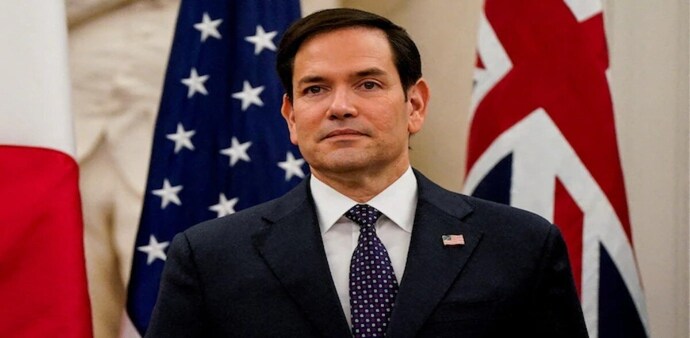
US Secretary of State Marco Rubio has underlined that entry into the United States remains conditional, noting that authorities can revoke visas if visitors act against national security interests.
Speaking at a joint press availability in Budapest with Hungarian PM Viktor Orbán, Rubio noted that such action has already been taken in several cases over the past year. “I've said this repeatedly. I don't know why it's so hard for some to comprehend it. No one is entitled to a visa,” he said.
‘Permission, not entitlement’
Rubio stressed that a visa grants access but does not confer a legal right. “Visas are not a right. There is no constitutional right to a visa,” Rubio said. “A visa is permission to enter our country as a visitor.”
He added that the rule applies broadly, covering students, tourists and journalists, and enforcement can occur even after arrival.
“Being a tourist, student or journalist, if you undertake activities against the national security and national interest of the United States, we will take away your visa,” Rubio said.
“If we knew someone was going to engage in such activities, we probably wouldn't have issued the visa in the first place.”
Wider immigration measures
The remarks follow recent steps by the US State Department to tighten immigration rules. Last month, it suspended immigrant visa approvals for nationals of 75 countries.
“We would pause immigrant visa processing from 75 countries whose migrants take welfare from the American people at unacceptable rates,” the department said.
“The pause impacts dozens of countries, including Somalia, Haiti, Iran, Cuba and Eritrea, whose immigrants often become public charges in the United States upon arrival,” it added.
US Secretary of State Marco Rubio has underlined that entry into the United States remains conditional, noting that authorities can revoke visas if visitors act against national security interests.
Speaking at a joint press availability in Budapest with Hungarian PM Viktor Orbán, Rubio noted that such action has already been taken in several cases over the past year. “I've said this repeatedly. I don't know why it's so hard for some to comprehend it. No one is entitled to a visa,” he said.
‘Permission, not entitlement’
Rubio stressed that a visa grants access but does not confer a legal right. “Visas are not a right. There is no constitutional right to a visa,” Rubio said. “A visa is permission to enter our country as a visitor.”
He added that the rule applies broadly, covering students, tourists and journalists, and enforcement can occur even after arrival.
“Being a tourist, student or journalist, if you undertake activities against the national security and national interest of the United States, we will take away your visa,” Rubio said.
“If we knew someone was going to engage in such activities, we probably wouldn't have issued the visa in the first place.”
Wider immigration measures
The remarks follow recent steps by the US State Department to tighten immigration rules. Last month, it suspended immigrant visa approvals for nationals of 75 countries.
“We would pause immigrant visa processing from 75 countries whose migrants take welfare from the American people at unacceptable rates,” the department said.
“The pause impacts dozens of countries, including Somalia, Haiti, Iran, Cuba and Eritrea, whose immigrants often become public charges in the United States upon arrival,” it added.