
Comet NEOWISE to be visible in India for 20 days
Comet NEOWISE to be visible in India for 20 days
BusinessToday.In
- Jul 14, 2020,
- Updated Jul 14, 2020 9:56 AM IST
- 1/10
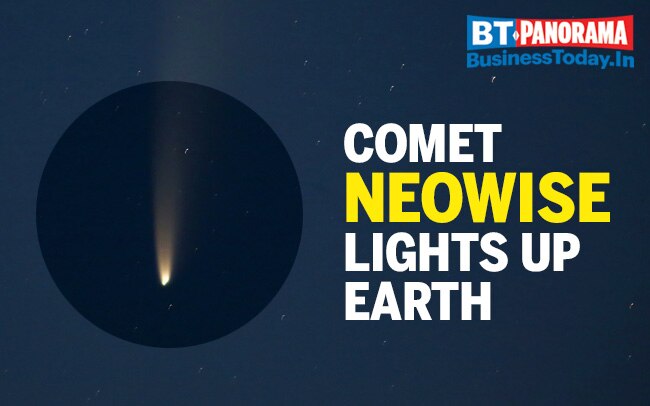
A newly discovered comet is zipping past Earth, providing a stunning view across countries. It will be visible in India for 20 days, starting tomorrow.
- 2/10
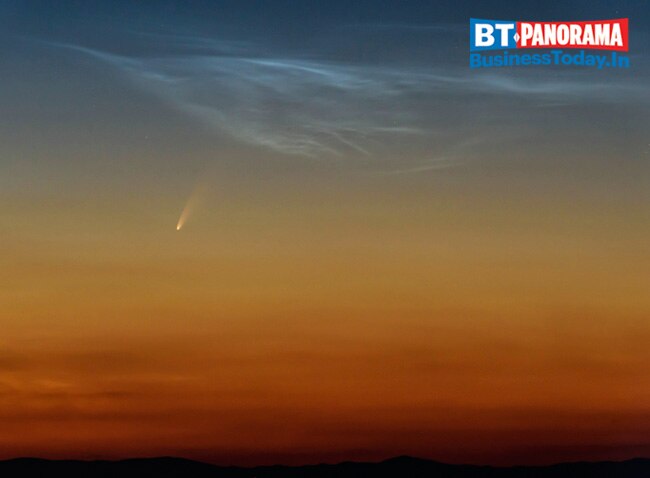
Comet Neowise
The brightest comet visible from the Northern Hemisphere in a quarter-century has arrived from Mercury's orbit a week ago. Its close proximity to the sun caused dust and gas to burn off its surface and hence it has a long tail. The comet was discovered by NASA's NEOWISE telescope and was named after it.
- 3/10
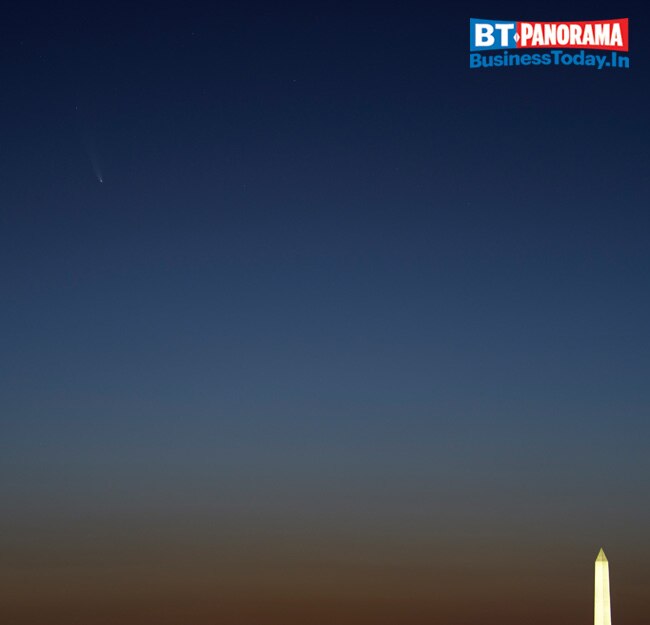
On July 12, the comet was seen before sunrise over Washington.
- 4/10
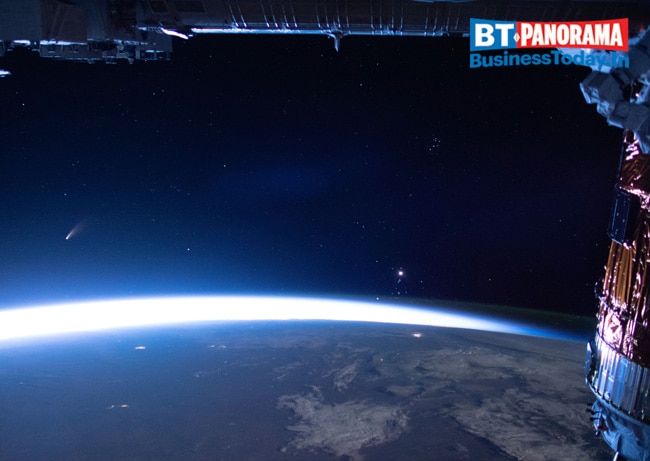
This photo was released by NASA where it is seen in the eastern horizon above Earth. The image was captured from the International Space Station on July 5, 2020.
- 5/10
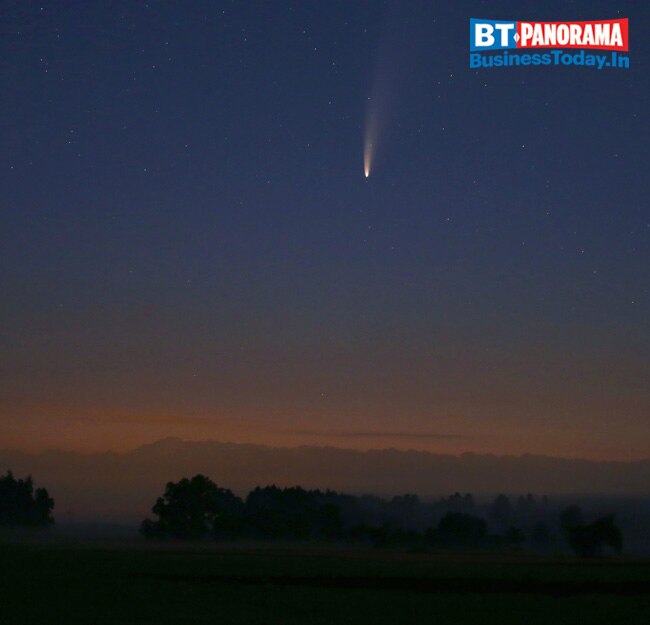
The Comet NEOWISE or C/2020 F3 was spotted before sunrise over the Allg'u landscape, in Bad Wrishofen, Bavaria again on July 12,2020.
- 6/10
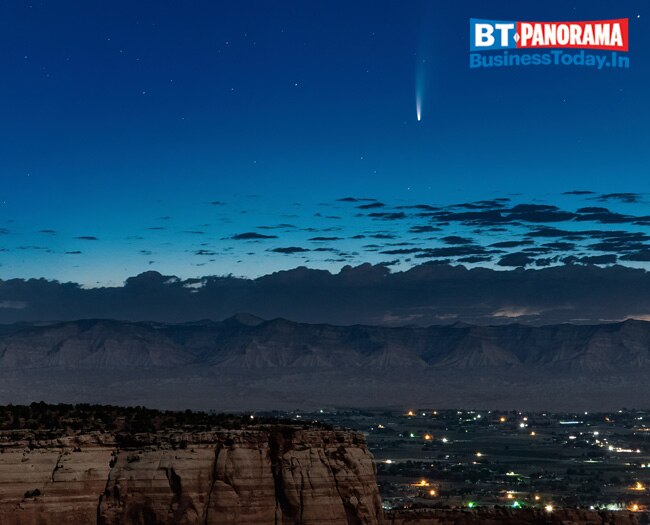
Comet NEOWISE was spotted in the horizon of the early morning sky near the grand view lookout at the Colorado National Monument west of Grand Junction. On July 9. The newly discovered comet is streaking past Earth and could be spotted from various locations in the northern hemisphere till today.
- 7/10
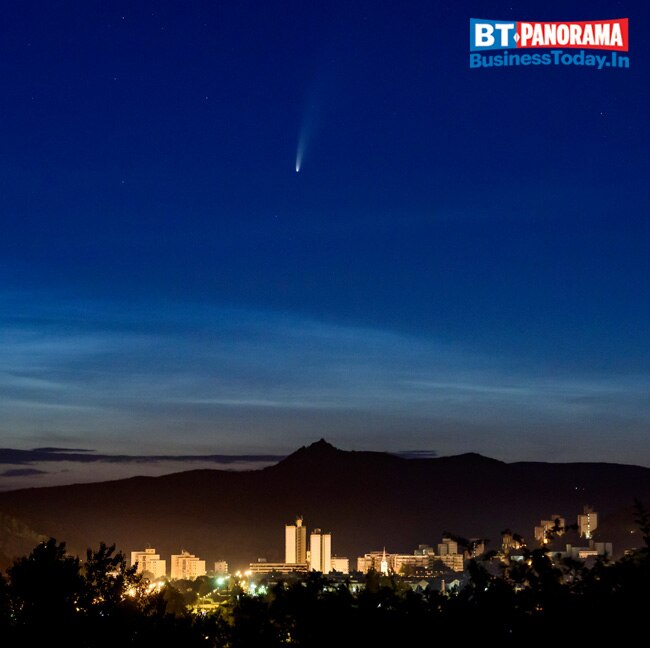
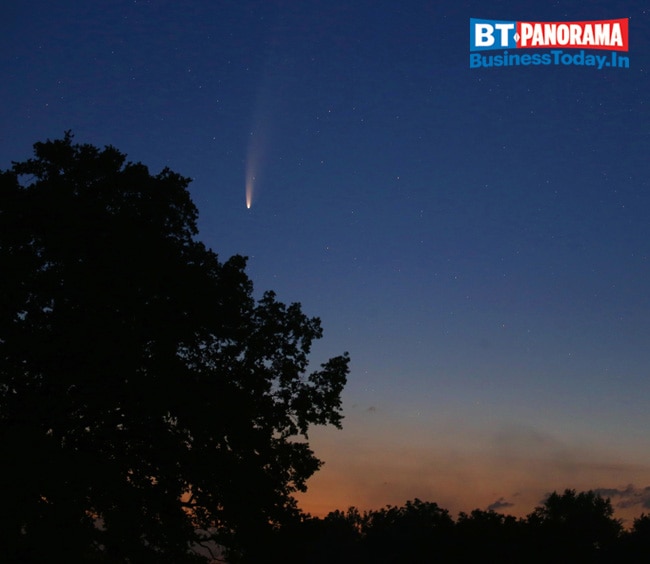
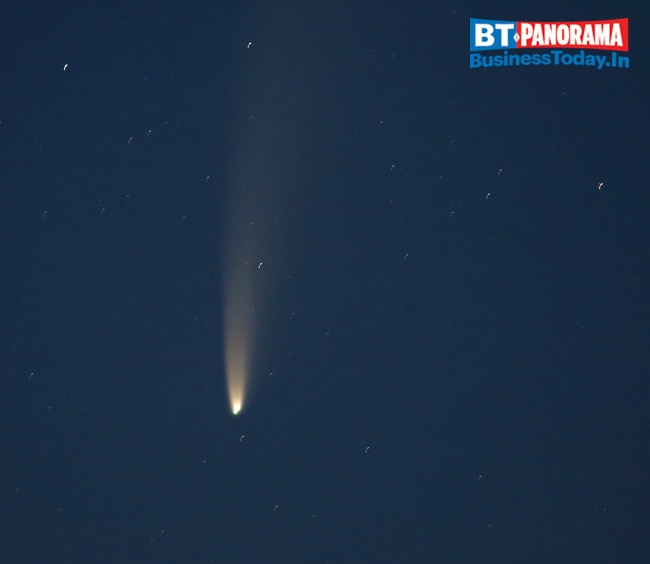
The Comet NEOWISE or C/2020 F3 is seen above Salgotarjan, Hungary, early on July 10, 2020. It passed closest to the sun on July 3 and its closest approach to the Earth will occur on July 23.
- 8/10
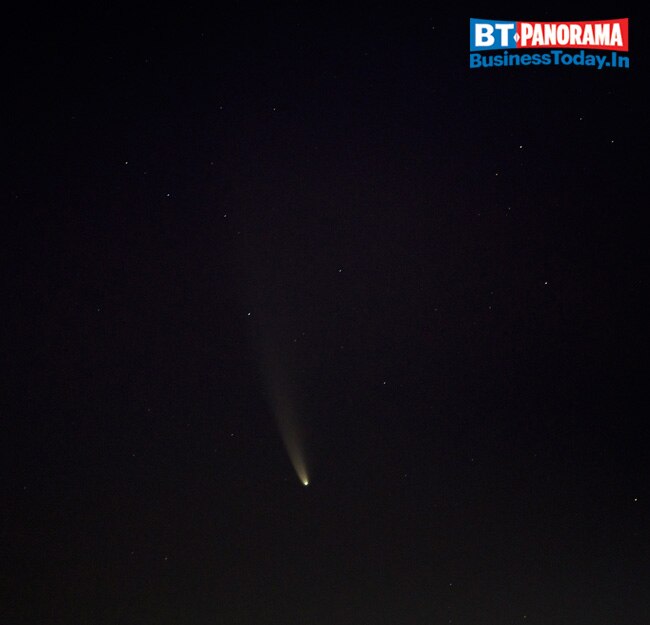
Scientists have revealed the comet is about 3 miles (5 kilometers) across. Its nucleus is covered with sooty material dating back to the origin of the solar system 4.6 bn years ago.
- 9/10
The comet will be visible across the Northern Hemisphere until mid-August, when it heads back toward the outer solar system. While it's visible with the naked eye in dark skies with little or no light pollution, the long tail is visible only through binoculars according to NASA.
- 10/10
It will be about 7,000 years before the comet returns so stargazers can have their fill of the phenomenon this time around. It is supposed to be the brightest comet since the mid-1990s for stargazers in the Northern Hemisphere. Astronauts aboard the International Space Station have already caught a glimpse of this long-tailed celestial wonder.