
Here is how chemicals in firecrackers can affect your health
Here is how chemicals in firecrackers can affect your health
BusinessToday.In
- Oct 25, 2018,
- Updated Oct 25, 2018 8:37 PM IST
- 1/11
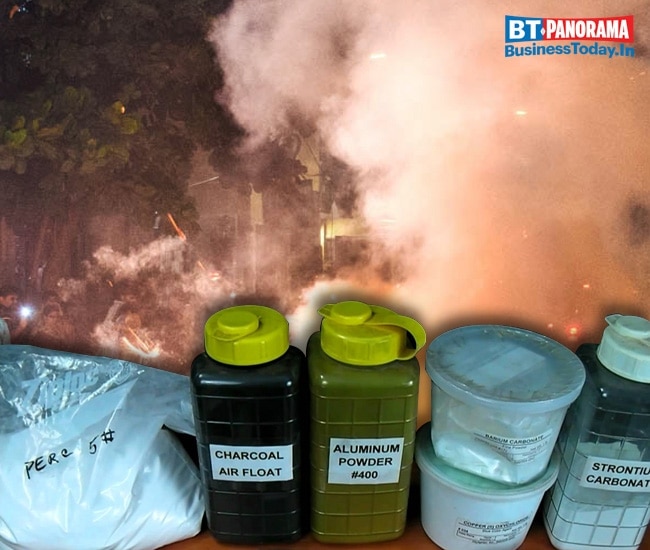
Aluminium
Air pollution can wreak havoc on the human body. Traces of aluminium in the air can be a result of crackers. Exposure to this metal can cause dermatitis, bioaccumulation or deposition of harmful substances in organisms. It is naturally present in the environment but can become toxic if the levels of aluminium rise. It is also one of the causes of Alzheimer's disease
- 2/11
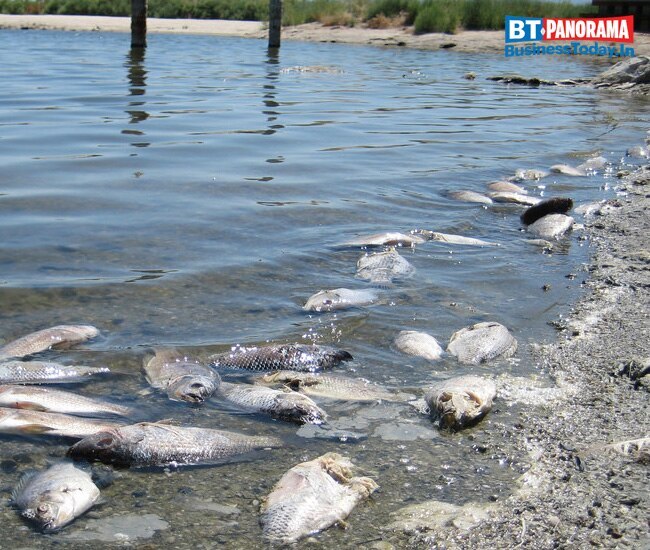
Sulphur Dioxide
Sulphur dioxide is the biggest villain of the air pollution menace. Each year several thousand tonnes of sulphur powder is burnt in fireworks. SO2 along with PM results in smog which is harmful to the human body. It is corrosive to the respiratory tract and can cause asthma in the long term. Additionally, it causes acid rain which affects water sources, vegetation and buildings
- 3/11
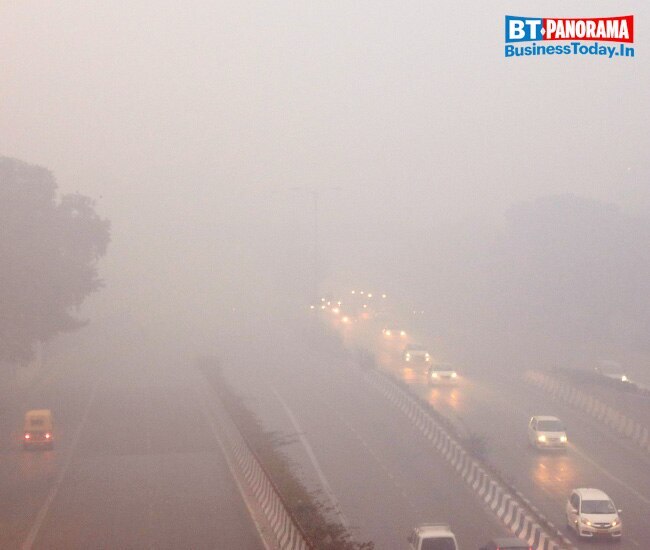
Potassium Nitrate
This is used in noise-making crackers. Exposure to it in the air can cause eye and skin irritation. It gives rise to toxic dust and can prove to be carcinogenic too.
- 4/11
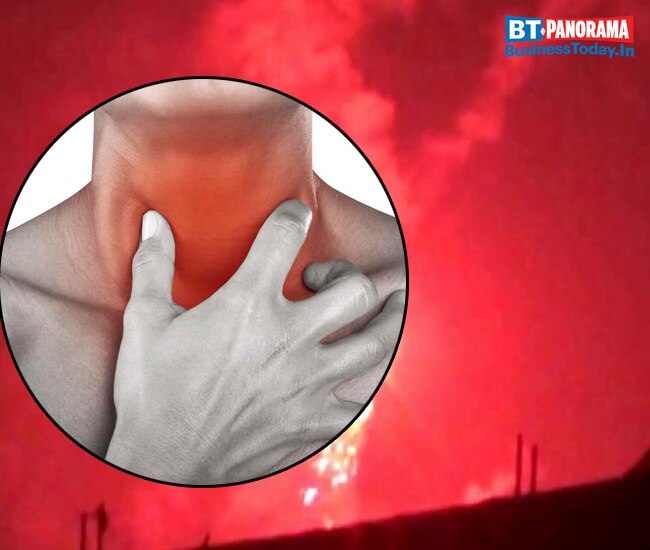
Perchlorate-ammonium and potassium
At high concentrations perchlorate can affect the thyroid gland by inhibiting the uptake of iodine. An oxidizing agent, it can also cause lung cancer. The cadmium compounds damage the lungs and lead to gastrointestinal problems. It also contaminates ground and surface water.
- 5/11
Barium Nitrate
Barium nitrate is poisonous and causes respiratory irritation, radioactive effects, gastrointestinal problems and muscular weakness.

- 6/11
Antimony Sulphide
This gives out toxic smoke which is carcinogenic. Long-term inhalation of antimony can cause pneumoconiosis, altered electrocardiograms, stomach pain, diarrhea, vomiting, and stomach ulcers. Reaction with water or moist air may release toxic, corrosive or flammable gases.

- 7/11
Copper compounds
These can bioaccumulate and become carcinogenic. In animals, copper exposure is believed to cause a decrease in fetal growth. Chronic overexposure can harm the liver and kidneys.

- 8/11
Nitrogen Dioxide
Nitrogen Dioxide is highly poisonous, fatal for infants and the source of acid rain. Its presence in air contributes to the formation and modification of other air pollutants, such as ozone and Particulate Matter
- 9/11
Lithium compoundsLithium compounds give rise to toxic and irritating fumes. The substance is corrosive to the eyes, the skin and the respiratory tract and can have serious long term effects

- 10/11
Mercury
This is a toxic heavy metal which is harmful if present in the atmosphere. The atmospheric residence time of mercury is several months to a year. It is toxic to the nervous system - the brain and spinal cord - particularly the developing nervous system of a foetus or young child.

- 11/11
Lead Dioxide
It leads to bioaccumulation, poses developmental dangers for kids and unborn babies and is poisonous to plants and animals