
Rashtrapati Bhavan opens its Mughal Gardens to the public from Feb 13
Rashtrapati Bhavan opens its Mughal Gardens to the public from Feb 13
BusinessToday.In
- Feb 13, 2021,
- Updated Feb 13, 2021 12:19 PM IST

- 1/10
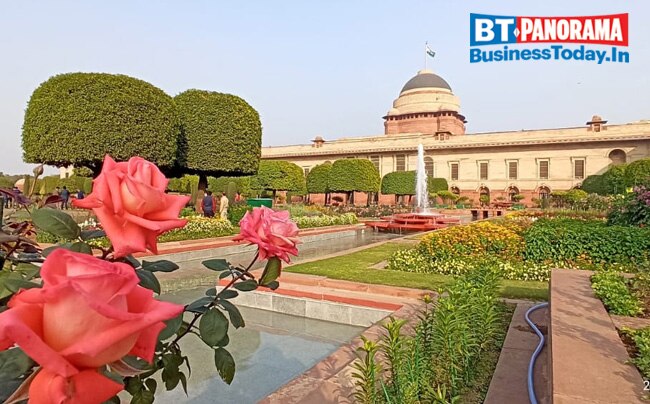
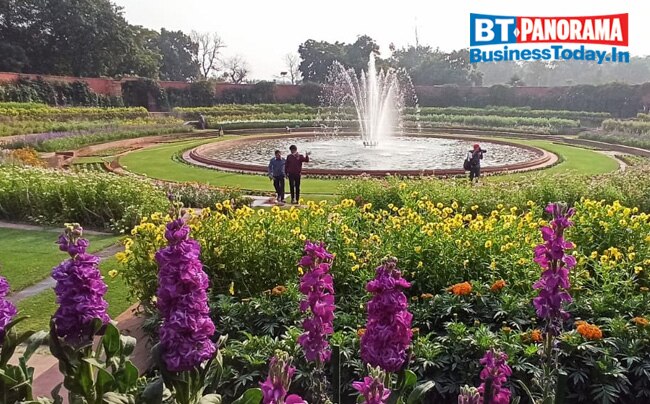
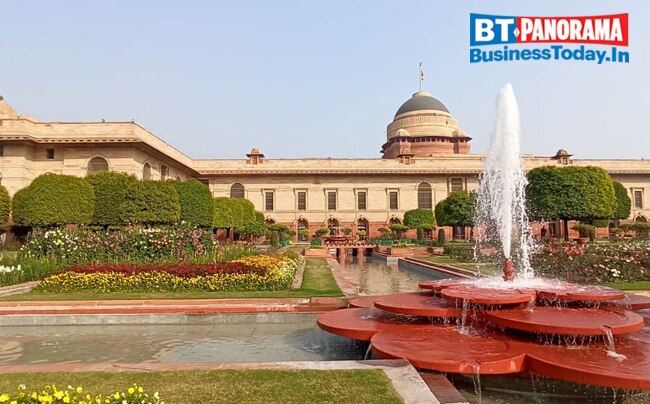
The Mughal Gardens is now open for public from February 13 to March 21. The iconic landmark which remained shut for 11 months due to COVID-19 is all set to welcome visitors. The Garden will remain open from 10 am to 5 pm, barring Mondays. Here's more about the Mughal Gardens, how you can book your visit and the standard operating procedure in view of the pandemicPhotos: Rajwant Rawat
- 2/10
Reopening after 11 monthsThe Mughal Gardens at Rashtrapati Bhavan remained closed for 11 months when Rashtrapati Bhavan issued a statement for public on March 7, 2020 that gardens would be closed due to spread of COVID-19. Rashtrapati Bhavan issued an official statement saying, "Continuing the precautionary measures at Rashtrapati Bhavan in view of COVID-19 Novel Coronavirus, the Mughal Gardens will close for public from Saturday (March 7, 2020) to avoid any large gathering of people". At that time the total number of coronavirus cases in the country was 30.
- 3/10
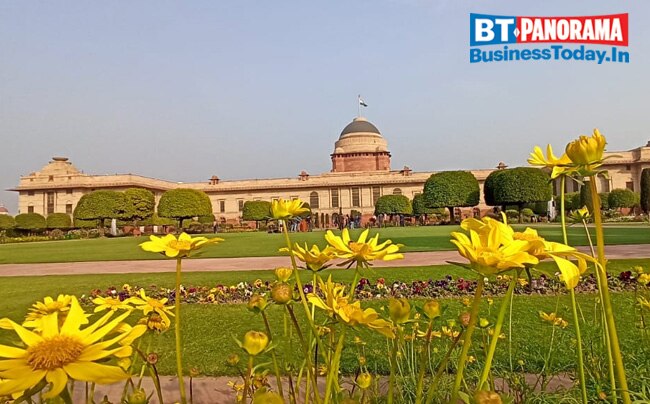
President Ram Nath Kovind opens 'Udyanotsav'President of India Ram Nath Kovind has opened the annual "Udyanotsav" of the Rashtrapati Bhavan on February 13."The Mughal Gardens will remain open for the general public from February 13, 2021 to March 21, 2021 (except on Mondays which are maintenance days) between 1000 hrs to 1700 hrs," said the official statement. As a precautionary measure, walk-in entry will not be available this year, statement added.
- 4/10
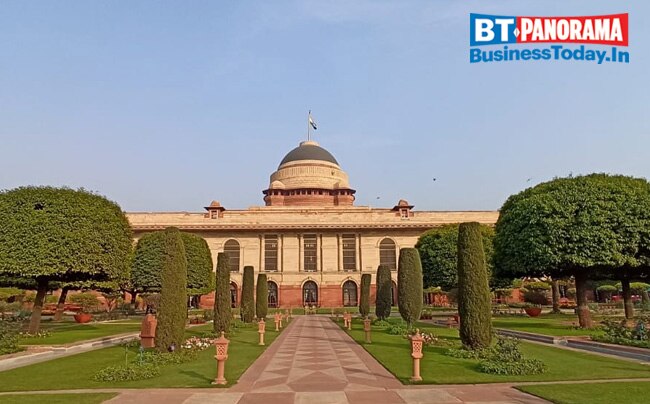
Guidelines for visitorsThere will be a slew of guidelines to be followed by visitors before entering the Mughal Gardens foremost being advance online booking. The entry and exit for all visitors will be from gate number 35 of the President's Estate, close to where North Avenue meets Rashtrapati Bhavan. Visitors have been asked not to bring any water bottles, briefcases, handbags/purses, cameras, radios/transistors, boxes, umbrellas and eatables. Arrangements of hand sanitiser, drinking water, toilets, first aid/ medical facility are provided at various places along the public route.
- 5/10
Visitors can drop in at Rashtrapati Bhavan and Rashtrapati Bhavan MuseumPeople can visit the Rashtrapati Bhavan and the Rashtrapati Bhavan Museum as well as witness the Change of Guard Ceremony, besides the Mughal Gardens.
- 6/10
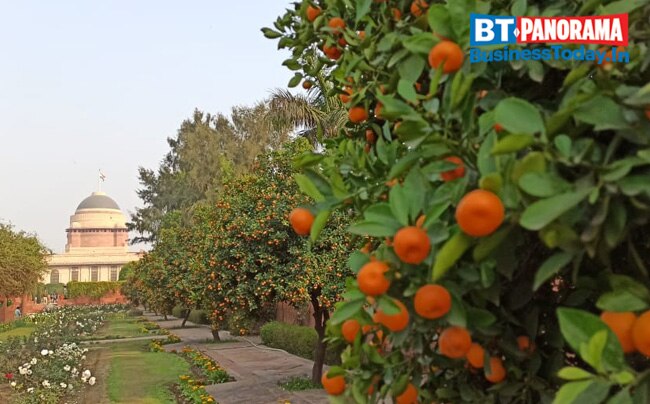
About Mughal GardensThe iconic Mughal Gardens are spread over an expanse of 15 acres. The Gardens were built by Mughals in the Islamic style of architecture in India as well as other countries. The place is often hailed as the 'soul of the Presidential Palace'. As per Rashtrapati Bhavan's website, the garden draws its inspiration from the Mughal Gardens of Jammu and Kashmir, the gardens around the Taj Mahal, and miniature paintings of India and Persia.
- 7/10
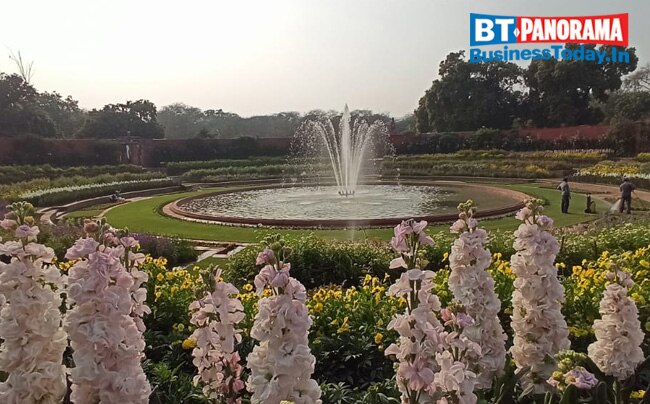
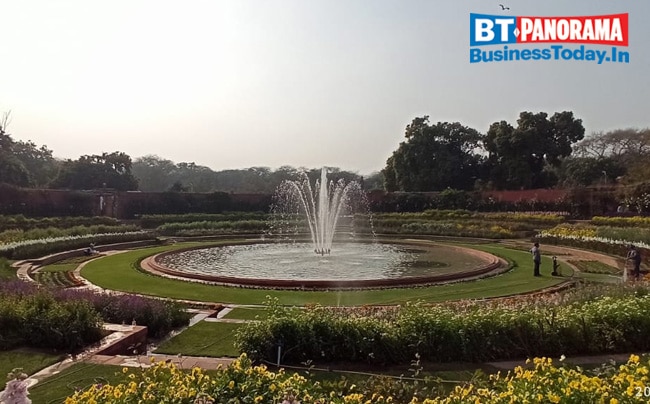
Flowers that adorn the GardensThe Gardens boast of growing 159 celebrated varieties of roses which blossom primarily in the month of February and March. In Christopher Hussey's The Life of Sir Edwin Lutyens, Sir Lutyens' wife has written that the garden was a "paradise".Apart from roses, tulips, Asiatic lilies, daffodils, hyacinth and other seasonal flowers beautify the gardens of Rashtrapati Bhavan. There are more than seventy varieties of seasonal flowers including exotic bulbous and winter flowering plants.
- 8/10
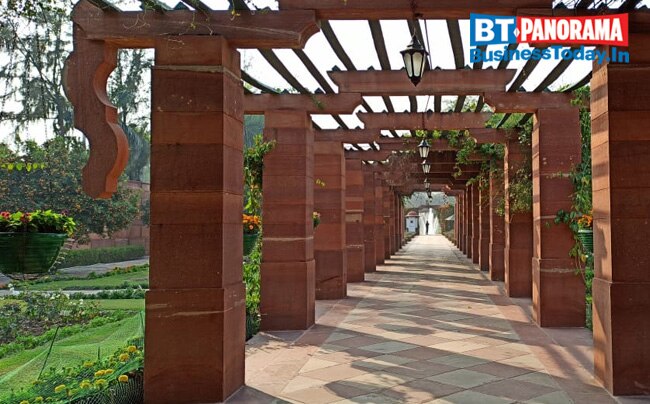
Design of Mughal GardenSir Edwin Lutyens had finalised the design of the Mughal Gardens as early as 1917. It was, however, in 1928-1929 that plantings were done. His collaborator for the Gardens was Director of Horticulture, William Mustoe. Like the building of Rashtrapati Bhavan has two different styles of architecture, Indian and western, similarly, Sir Lutyens brought together two different horticulture traditions together for the gardens, the Mughal style and the English flower Garden. Mughal canals, terraces and flowering shrubs are beautifully blended with European flowerbeds, lawns and private hedges.
- 9/10
Roses named after peopleThe Mughal Gardens also have roses named after people of national and international fame such as Mother Teresa, Raja Ram Mohan Roy, Mr. Lincoln, John F. Kennedy, Jawaharlal Nehru, Queen Elizabeth, Christian Dior amongst others. Arjun and Bhim, from the Mahabharata, also find a place in the presidential palace.
- 10/10
Contribution of PresidentsThe vast grounds of the President's estate are not only used for leisure and recreation. Each resident of the Rashtrapati Bhavan has contributed to the vast Estate in their own manner.During the time of C. Rajagopalachari , the first Indian resident of Rashtrapati Bhavan, a portion of the grounds was used to cultivate wheat, as a gesture to address the problem of shortage of food in the country.President Kalam had contributed by creating Herbal Gardens, Tactile Gardens for the visually handicapped, Musical Gardens, Bio-Fuel Park, Spiritual and Nutrition Gardens and more.The Bonsai Garden and nature trails in Rashtrapati Bhavan were President Pratibha Patil's contribution along with Project Roshini which aimed at making the President's House an environment friendly habitat by efficient use of resources and use of renewable energy sources. Rainwater harvesting for recharging groundwater in the presidential estate was done by President K.R. Narayanan in collaboration with the Centre for Science and Environment.