
What's most effective face mask material? Study finds answers
What's most effective face mask material? Study finds answers
BusinessToday.In
- Nov 4, 2020,
- Updated Nov 4, 2020 11:54 AM IST

- 1/8
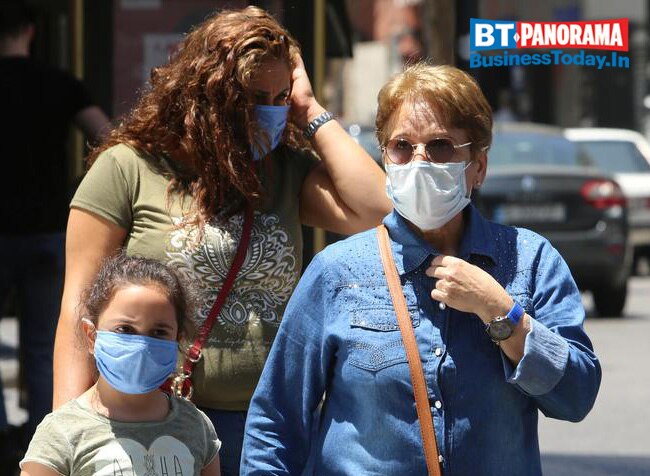
A team of researchers have tested everything from t-shirts and socks to jeans and vacuum bags to determine what type of mask material is most effective at trapping the ultrafine particles which may contain viruses such as SARS-CoV-2, the virus which causes COVID-19.ANI
- 2/8
The StudyThe researchers, from University of Cambridge and Northwestern University, tested the effectiveness of different fabrics at filtering particles between 0.02 and 0.1 micrometres at high speeds that are comparable to coughing or heavy breathing. Also, they tested N95 and surgical masks, which are more commonly used in healthcare settings.
- 3/8
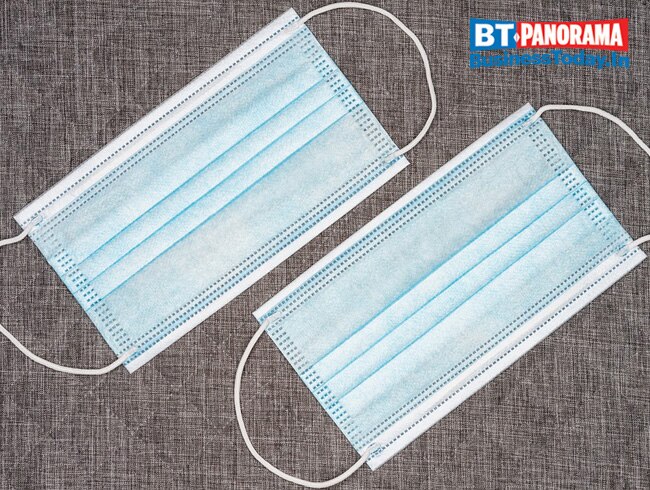
Non-clinical face masks
The results, reported in the journal BMJ Open, show that most of the fabrics commonly used for non-clinical face masks are effective at filtering ultrafine particles. N95 masks were highly effective, although a reusable HEPA vacuum bag actually exceeded the N95 performance in some respects.
- 4/8
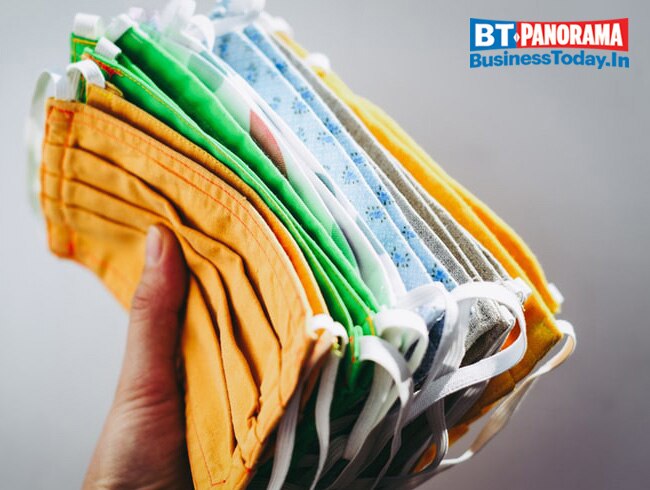
Homemade masks
As for homemade masks, those made of multiple layers of fabric were more effective. However, improvements such as interfacing that is normally used to stiffen collars enhanced performance but also made them more difficult to breathe through than an N95 mask.
- 5/8
Repeated washing of masks isn't a good idea
The researchers studied the performance of different fabrics when damp, and after they had gone through a normal washing and drying cycle. They found that the fabrics worked well while damp and worked sufficiently after one laundry cycle, however, previous studies have shown that repeated washing degrades the fabrics, and the researchers caution that masks should not be reused indefinitely.
- 6/8
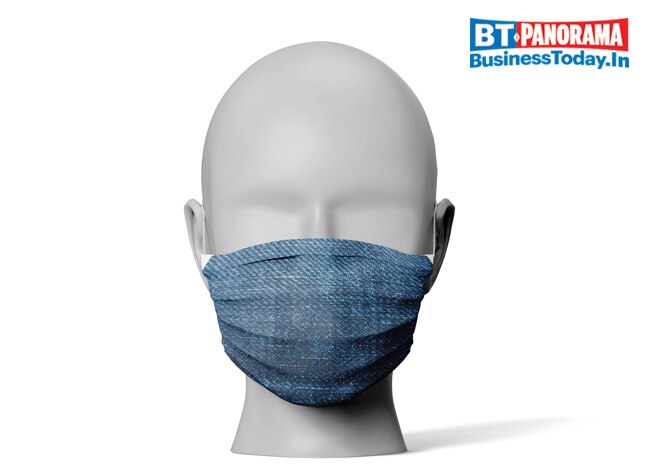
Do not make masks out of Denims
"A mask which blocks particles really well but restricts your breathing isn't an effective mask," said author Eugenia O'Kelly from Cambridge's Department of Engineering. "Denim, for example, was quite effective at blocking particles, but it's difficult to breathe through, so it's probably not a good idea to make a mask out of an old pair of jeans. N95 masks are much easier to breathe through than any fabric combinations with similar levels of filtration."

- 7/8
Vacuum bags for masks
The researchers consulted with online sewing communities to find out what types of fabric they were using to make masks. Due to the severe shortage of N95 masks at the time, several of the sewing communities reported that they were experimenting by inserting vacuum bags with HEPA filters into masks.
- 8/8
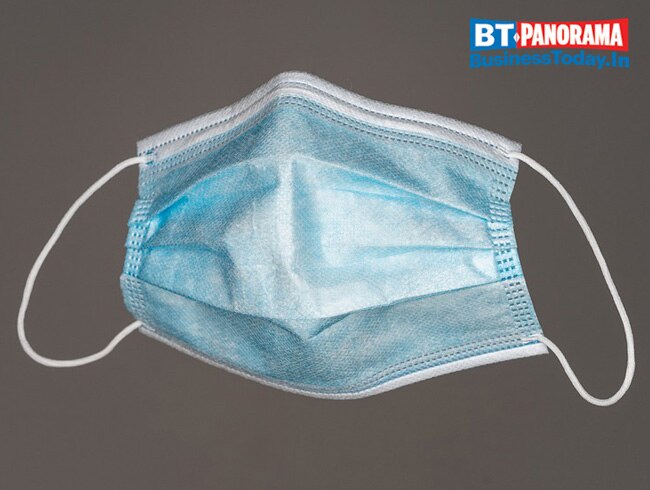
Single-use and reusable vacuum bags are effective
The researchers found that single-use and reusable vacuum bags were effective at blocking particles, but cautioned that single-use bags should not be used in face masks, as they fall apart when cut, and may contain component materials which are unsafe to inhale.