
Worried about air pollution? Here's how to buy the best air purifier
Worried about air pollution? Here's how to buy the best air purifier
BusinessToday.In
- Nov 5, 2018,
- Updated Nov 11, 2019 4:28 PM IST
- 1/7
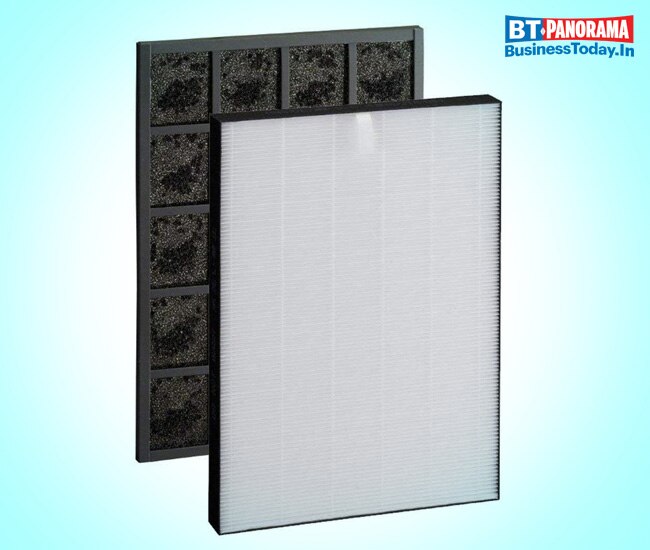
FiltersThe type of filtration the air purifier uses is one of the most important considerations before you purchase the product. Look out for one with a HEPA filter and NOT a HEPA- type filter, the latter being there in cheaper products. High Efficiency Particulate Air (HEPA) filters are proven to eliminate 99.97% of common airborne allergens sized at 0.3 microns and larger. It is also a standard that is tested and certified.Activated carbon filters are also being preferred. For those, who are willing to have high-end air purifiers in Delhi that completely deter the odor, smoke, and volatile organic compounds can go in for activated carbon filters. These are highly absorbent filters that are also easy to maintain. But they also have a shorter life span.UV technology air purifiers kill harmful bacteria, and viruses. But if you purchase the UV air purifier, make sure the system does not produce ozone (high-concentration)Negative Ion purification comes with inexpensive filters that help promote deep sleep but again releases ozone into the air which is harmful and hence best avoidedPre-Filters, like foam and non-woven polyester, eliminate large particles like pet hair before the next level of filtration and are good to have in the air purifier. You should look for an ideal combination and types of filters that are most suited for your individual needs
- 2/7
Size of the room
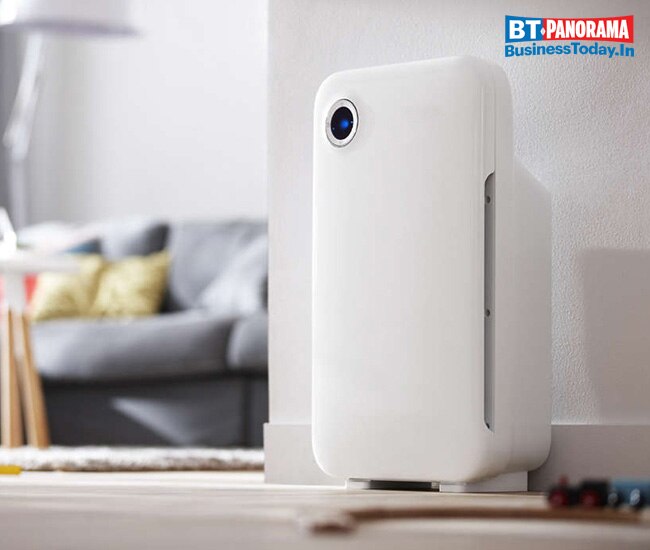
The choice of air-purifier also depends on the type of room you wish to use it in. Make sure you buy an air purifier that can operate in a spaces 20-40% larger than the room you are purchasing it for. This will result in optimum performance. Your choice will also depend on the type of room. If you wish to use it in the bedroom, choose one that is less noisy. ACR or Air Change Rate should be considered too. This is the number of times the purifier can change the air in an hour. Air purifiers that can clean the air in a space at least 4 times per hour are best for allergy and asthma patients
- 3/7
Ozone emitters
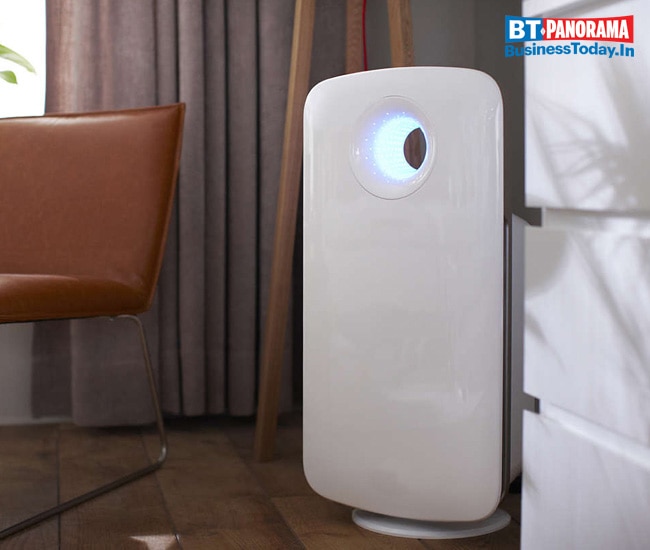
Ozone based purifiers should be strictly avoided by asthmatics. In fact, the very thing that makes Ozone so effective at removing odors, also makes it dangerous. Ozone is a gas that can cause health problems, including respiratory tract irritation and breathing difficulty and therefore not recommended for home use.This technology is best-suited for professional use, used mostly by cleaners. Even in healthy people, breathing in ozone can cause respiratory problems. Read the manual well and ask the right questions before your purchase. There may be an in-built ozone generator in the product.
- 4/7
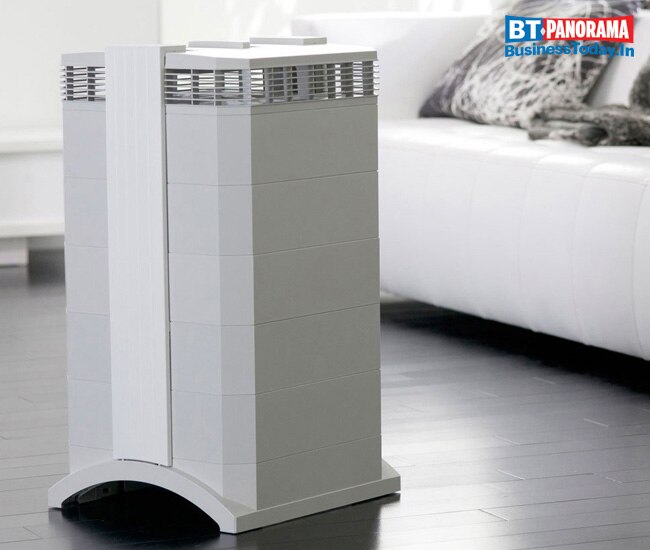
Power consumption
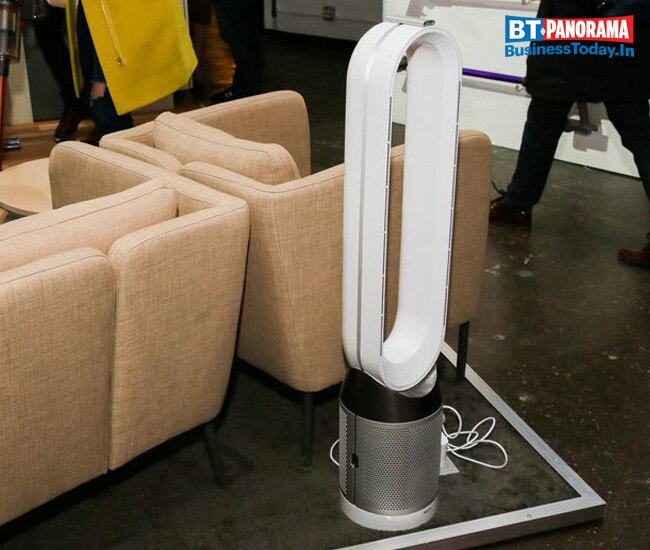
Most air purifiers consume a lot of electricity as they use both fans and motors to blow air. On a scale, they consume 30-250 watts of power depending on the size and models. Go in for a model that is power efficient but still purifies the air.
- 5/7
After-sales service
If you are considering the best 5 brands and don't know which one to pick, the after-sales service can be a key differentiator. Purchasing cheaper brands online which provide no support service will not help in the long run. All air-purifiers have filters that need to be changed regularly and upkeep and maintenance is an important aspect of owning one.

- 6/7
Reputation of manufacturerIt is a long term investment and so it does matter which brand you buy. Getting it from a well-known, reliable manufacturer will pay off in the long run. It is highly recommended to look for the manufacturer's warranty as it helps to avoid the potential damages or the maintenance costs. Do read the terms and conditions offered by the manufacturer regarding motors, fan, filters and other parts.
- 7/7
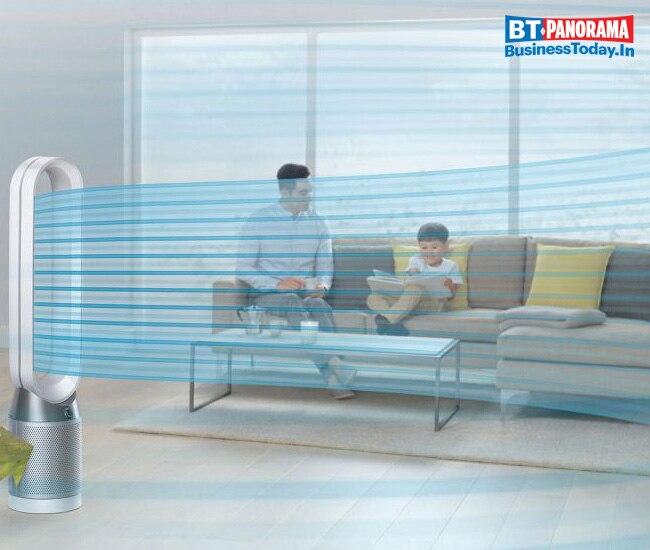
CADR of Clean Air Delivery RateCADR or Clean Air Delivery Rate is a key determinant while buying the air purifier. It is actually a performance indicator to determine the efficiency of an air purifier. CADR rate defines the maximum amount of clean air offered by an air purifier. In other words, it can be expressed as how well the purifier can reduce the allergens, pollutants, and chemicals in a room. Higher the contaminants, faster it purifies the air. A higher CADR air purifier filters very quickly than the lower ones.