
RBI proposes uniform loan interest rate framework across banks, NBFCs; here's what investors should note
Borrowers may soon find it easier to compare loan rates across banks and NBFCs as the RBI plans to standardise the regulatory framework governing lending interest rates. The proposed move aims to improve transparency, ensure greater consistency in loan pricing, and strengthen fairness in retail lending.
- Aug 5, 2026,
- Updated Aug 5, 2026 12:07 PM IST
The Reserve Bank of India (RBI) has proposed to harmonise and standardise the regulatory framework governing interest rates on loans across all regulated entities, including banks and non-banking financial companies (NBFCs), with the objective of enhancing transparency and consistency in loan pricing.
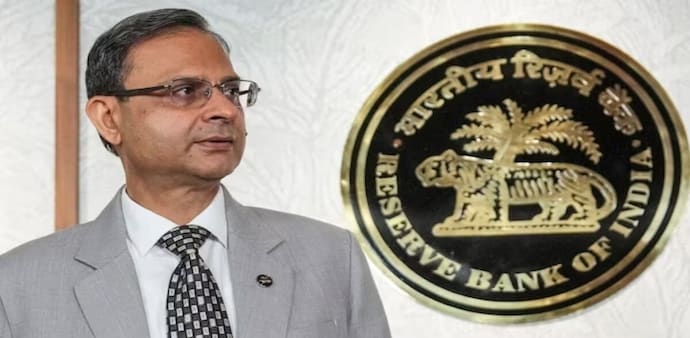
Announcing the August monetary policy decisions on Wednesday, RBI Governor Sanjay Malhotra said the central bank aims to create a more uniform regulatory approach for lending rates as the credit market continues to evolve. At present, banks and NBFCs operate under different regulatory frameworks for determining and disclosing loan interest rates, making it difficult for borrowers to compare loan products across institutions.
"The regulatory framework governing interest rates on loans across all regulated entities will be harmonised and standardised," Malhotra said, adding that detailed operational guidelines will be issued separately.
MUST READ: RBI MPC update: Central bank keeps repo rate unchanged at 5.25%, says Governor Sanjay Malhotra
The proposed changes are expected to simplify the lending landscape by making loan pricing more transparent and comparable for customers, while also ensuring greater consistency in regulatory treatment across different categories of lenders.
The announcement comes as the RBI continues its broader efforts to strengthen transparency and fairness in retail lending practices. Over the past few years, the central bank has introduced several measures to improve the transmission of monetary policy to borrowers, including mandating external benchmark-linked lending rates (EBLR) for specified retail and MSME floating-rate loans offered by banks.
Apart from the regulatory proposal, the RBI Governor reiterated that India's macroeconomic fundamentals remain resilient. He noted that the economy continues to be supported by robust growth, stable inflation, a healthy banking and financial system, and comfortable foreign exchange reserves.
The harmonised interest rate framework is expected to reduce information asymmetry for borrowers, improve comparability of loan products across banks and NBFCs, and promote greater confidence in the country's lending ecosystem once the detailed guidelines are notified.
Revised FD rules from Oct 1
RBI's revised deposit rate framework, effective October 1, 2026, aims to make fixed deposit pricing more transparent and consistent across banks. Under the new rules, banks will no longer be allowed to offer different interest rates for similar deposits accepted on the same day simply because they were booked at different branches. They must also publish their deposit interest rate schedules, including bulk deposit rates, on their websites in advance, with bulk deposit rates to be disclosed every business day by 10:00 am (or latest by 10:10 am).
While retail depositors will benefit from greater transparency and uniform pricing, banks have been given flexibility to offer differential rates on bulk deposits based on the Liquidity Coverage Ratio (LCR) framework. The revised directions, which apply to commercial banks, small finance banks, regional rural banks, payment banks, local area banks and urban cooperative banks, are expected to improve comparability of FD rates and reduce pricing disparities.
The changes also extend to rupee bulk deposits of non-residents. The RBI has said the amendments strike a balance between giving banks greater flexibility in managing wholesale funding while ensuring fair treatment of depositors through uniform disclosure and pricing practices.
MUST READ: RBI MPC: Gov Malhotra raises GDP growth projection for this year to 6.7% from 6.6%
The Reserve Bank of India (RBI) has proposed to harmonise and standardise the regulatory framework governing interest rates on loans across all regulated entities, including banks and non-banking financial companies (NBFCs), with the objective of enhancing transparency and consistency in loan pricing.
Announcing the August monetary policy decisions on Wednesday, RBI Governor Sanjay Malhotra said the central bank aims to create a more uniform regulatory approach for lending rates as the credit market continues to evolve. At present, banks and NBFCs operate under different regulatory frameworks for determining and disclosing loan interest rates, making it difficult for borrowers to compare loan products across institutions.
"The regulatory framework governing interest rates on loans across all regulated entities will be harmonised and standardised," Malhotra said, adding that detailed operational guidelines will be issued separately.
MUST READ: RBI MPC update: Central bank keeps repo rate unchanged at 5.25%, says Governor Sanjay Malhotra
The proposed changes are expected to simplify the lending landscape by making loan pricing more transparent and comparable for customers, while also ensuring greater consistency in regulatory treatment across different categories of lenders.
The announcement comes as the RBI continues its broader efforts to strengthen transparency and fairness in retail lending practices. Over the past few years, the central bank has introduced several measures to improve the transmission of monetary policy to borrowers, including mandating external benchmark-linked lending rates (EBLR) for specified retail and MSME floating-rate loans offered by banks.
Apart from the regulatory proposal, the RBI Governor reiterated that India's macroeconomic fundamentals remain resilient. He noted that the economy continues to be supported by robust growth, stable inflation, a healthy banking and financial system, and comfortable foreign exchange reserves.
The harmonised interest rate framework is expected to reduce information asymmetry for borrowers, improve comparability of loan products across banks and NBFCs, and promote greater confidence in the country's lending ecosystem once the detailed guidelines are notified.
Revised FD rules from Oct 1
RBI's revised deposit rate framework, effective October 1, 2026, aims to make fixed deposit pricing more transparent and consistent across banks. Under the new rules, banks will no longer be allowed to offer different interest rates for similar deposits accepted on the same day simply because they were booked at different branches. They must also publish their deposit interest rate schedules, including bulk deposit rates, on their websites in advance, with bulk deposit rates to be disclosed every business day by 10:00 am (or latest by 10:10 am).
While retail depositors will benefit from greater transparency and uniform pricing, banks have been given flexibility to offer differential rates on bulk deposits based on the Liquidity Coverage Ratio (LCR) framework. The revised directions, which apply to commercial banks, small finance banks, regional rural banks, payment banks, local area banks and urban cooperative banks, are expected to improve comparability of FD rates and reduce pricing disparities.
The changes also extend to rupee bulk deposits of non-residents. The RBI has said the amendments strike a balance between giving banks greater flexibility in managing wholesale funding while ensuring fair treatment of depositors through uniform disclosure and pricing practices.
MUST READ: RBI MPC: Gov Malhotra raises GDP growth projection for this year to 6.7% from 6.6%