
Will AQI slash your home’s value? Nithin Kamath endorsed it, now the debate is heating up
Zerodha co-founder Nithin Kamath has repeatedly pushed this idea, calling for “property price discounts” in neighborhoods with poor air and water quality. “The higher the AQI, the lower the real estate prices should be,” he wrote earlier this year, reviving a 2024 proposal to tie property values to environmental health.
- Nov 22, 2025,
- Updated Nov 22, 2025 8:13 AM IST
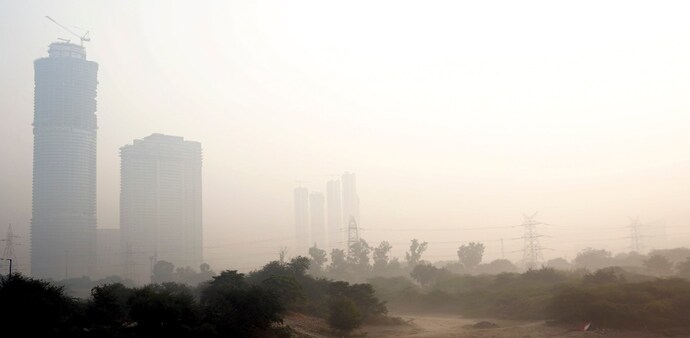
As pollution blankets India’s cities, an urgent question is sparking citizen outrage online: why are crores being paid for homes in toxic air zones? A bold proposal to link real estate prices to AQI is gaining ground — and could force India to finally reckon with the true cost of its air crisis.
A user wrote on X: “In real estate, AQI should be a key parameter — lower AQI should mean higher property value, not the other way around.”
The idea is simple but disruptive and it’s catching fire. Why are buyers shelling out millions for homes in areas where the air is unbreathable? Why does pollution carry no financial penalty, while green space is priced as a luxury?
Zerodha co-founder Nithin Kamath has repeatedly pushed this idea, calling for “property price discounts” in neighborhoods with poor air and water quality. “The higher the AQI, the lower the real estate prices should be,” he wrote earlier this year, reviving a 2024 proposal to tie property values to environmental health.
But real estate insiders aren’t on board. They argue that prices are dictated by land scarcity, infrastructure, and market demand — not air quality. “We have not observed pollution levels affecting property pricing,” said Prashant Thakur of ANAROCK Group. He pointed to Delhi as a clear contradiction: despite chronic air pollution, it remains one of India’s most expensive markets.
Properties near parks, lakes, or forests often command hefty premiums, but that hasn't translated into lower values for polluted zones. Developers charge extra for views and aesthetics, but not less for smog and grime.
Still, voices pushing for change argue it’s time citizens stop accepting toxic air as the price of urban living.
As pollution blankets India’s cities, an urgent question is sparking citizen outrage online: why are crores being paid for homes in toxic air zones? A bold proposal to link real estate prices to AQI is gaining ground — and could force India to finally reckon with the true cost of its air crisis.
A user wrote on X: “In real estate, AQI should be a key parameter — lower AQI should mean higher property value, not the other way around.”
The idea is simple but disruptive and it’s catching fire. Why are buyers shelling out millions for homes in areas where the air is unbreathable? Why does pollution carry no financial penalty, while green space is priced as a luxury?
Zerodha co-founder Nithin Kamath has repeatedly pushed this idea, calling for “property price discounts” in neighborhoods with poor air and water quality. “The higher the AQI, the lower the real estate prices should be,” he wrote earlier this year, reviving a 2024 proposal to tie property values to environmental health.
But real estate insiders aren’t on board. They argue that prices are dictated by land scarcity, infrastructure, and market demand — not air quality. “We have not observed pollution levels affecting property pricing,” said Prashant Thakur of ANAROCK Group. He pointed to Delhi as a clear contradiction: despite chronic air pollution, it remains one of India’s most expensive markets.
Properties near parks, lakes, or forests often command hefty premiums, but that hasn't translated into lower values for polluted zones. Developers charge extra for views and aesthetics, but not less for smog and grime.
Still, voices pushing for change argue it’s time citizens stop accepting toxic air as the price of urban living.