
6 money changes from December 1: SBI card users, borrowers, investors and pensioners need to know these updates
SBI Card users will face revised charges on certain high-value transportation and fuel transactions from December 1.
- Nov 26, 2026,
- Updated Nov 26, 2026 7:07 PM IST
If you use an SBI credit card for high-value fuel or transport payments, invest in commodity derivatives, or are an overseas investor looking to access Indian markets, there are several financial changes to watch from December 2026. Some could raise transaction costs, while others could make it easier to complete financial formalities, according to a report by Mint.
There are also important deadlines for Aadhaar updates and pensioners, while borrowers will be watching the Reserve Bank of India's December policy decision for possible changes to loan rates.
Key money changes to watch in December
-
SBI credit cards: A 1% fee will apply to eligible transportation transactions above ₹30,000 and certain fuel spending above ₹50,000 in a billing cycle.
-
Commodity derivatives: SEBI's revised minimum initial margin requirements will range from 6% to 10%, depending on the commodity's volatility.
-
Overseas investors: Eligible NRIs, OCIs and foreign nationals will get greater flexibility to complete KYC remotely from December 3.
-
Aadhaar: Email address updates through the official Aadhaar mobile application will remain free until December 31.
-
Pensioners: The deadline to submit the annual life certificate is November 30.
Advertisement -
Loan borrowers: The RBI's December 2-4 policy meeting could affect borrowing costs, depending on the repo-rate decision and how lenders transmit any change.
Don't Miss: 'Remove 18% GST on group health cover': Dr Devi Shetty's demand that could make insurance cheaper
SBI credit card users to pay 1% fee on select transactions
SBI Card users will face revised charges on certain high-value transportation and fuel transactions from December 1.
According to the card issuer's notice dated 27 October, a 1% fee will apply to individual transportation transactions exceeding ₹30,000. This includes transactions identified under merchant category codes (MCCs) 4111, 4784 and 4131.
The change will also apply to fuel purchases. If the total value of eligible fuel transactions through an SBI credit card exceeds ₹50,000 in a billing cycle, the issuer will levy a 1% fee on the entire fuel expenditure for that cycle, along with applicable taxes.
For instance, if a cardholder spends ₹60,000 on fuel during a billing cycle, the additional fee will amount to ₹600, before applicable taxes. The charge will not apply if the total fuel expenditure does not exceed ₹50,000.
Cardholders who regularly use SBI credit cards for high-value fuel or transportation payments should factor in the revised charges while planning their spending.
Commodity traders face revised margin requirements
Commodity derivatives traders will have to comply with revised minimum initial margin requirements from December 1.
In a circular dated 17 November, the Securities and Exchange Board of India (SEBI) revised the margin framework for agricultural and non-agricultural commodity derivatives. The minimum initial margin will now depend on the commodity's volatility category.
The minimum initial margin will be 6% for low-volatility commodities, 8% for medium-volatility commodities and 10% for high-volatility commodities.
The minimum margin period of risk (MPOR), which determines the period for which potential price movements must be covered through margins, will be two days for low- and medium-volatility commodities and three days for high-volatility commodities.
The revised requirements will apply for one year from the date of the circular.
Must Read: 'Relocate to another country or...': IBM to end H-1B visa, green card sponsorship for most consulting jobs
For traders, the change could affect the amount of funds they need to maintain with their brokers to hold commodity derivative positions. The actual margin requirement may be higher depending on the applicable risk framework.
Overseas investors get easier digital KYC
Non-resident Indians (NRIs), Overseas Citizens of India (OCIs) and foreign nationals residing in Financial Action Task Force (FATF)-compliant jurisdictions will get greater flexibility in completing KYC formalities with SEBI-registered intermediaries.
SEBI announced relaxations in KYC requirements on 14 August 2026. The changes allow eligible overseas investors to complete the process remotely without having to travel to India for physical verification.
The move is expected to make it easier for overseas investors to access Indian securities market services. The relaxation is subject to the prescribed eligibility and verification requirements.
The facility will be available from December 3.
Aadhaar email update remains free until December 31
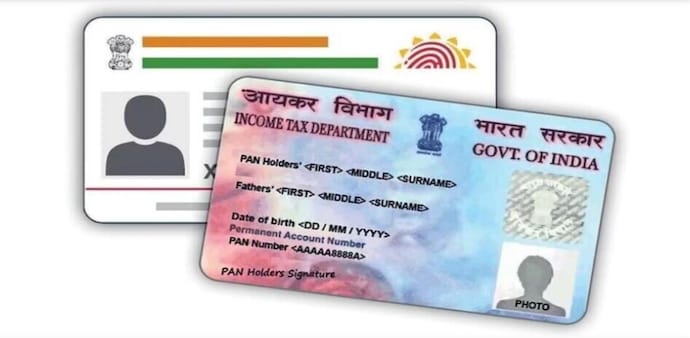
Aadhaar holders can update their email addresses free of cost through the official Aadhaar mobile application until December 31, 2026.
The Unique Identification Authority of India (UIDAI), through an office memorandum issued in June, waived the existing ₹75 fee for this service for six months, starting 1 July 2026.
The waiver is limited to email address updates completed through the Aadhaar mobile application. It does not mean that all Aadhaar correction or update services are free.
Those who need to update their email address can use the remaining period to complete the process without paying the usual fee.
Pensioners have November 30 deadline for life certificate
Pensioners receiving benefits under the central government's pension system must submit their annual life certificate by November 30 to ensure continuity of pension payments.
They can submit the certificate digitally through the Digital Life Certificate facility or use other authorised submission methods.
Failure to submit the certificate within the prescribed period could lead to delays or interruption in pension disbursements. Pensioners who have not completed the process should do so before the deadline.
This is an existing annual requirement rather than a new rule coming into force on December 1.
RBI policy decision could affect loan borrowers
The Reserve Bank of India's Monetary Policy Committee (MPC) will meet from December 2 to December 4 to review the policy rate and the broader economic outlook.
The RBI had raised the repo rate by 25 basis points to 5.50% in October 2026. Its December decision could have implications for borrowers, particularly those with loans linked to external benchmark lending rates.
However, a policy rate change is not automatic. If the RBI changes the repo rate, lenders will decide how and when to transmit the change to their loan rates, depending on the applicable lending arrangements.
Borrowers should therefore watch the policy announcement rather than assume that their home loan or personal loan EMIs will change from December 1.