
Is there a shortage of ₹10, ₹20 and ₹50 notes this Diwali? RBI debunks viral claim
According to the viral message, the move is linked to the growing adoption of digital payment methods such as UPI, debit and credit cards, and net banking.
- Nov 4, 2026,
- Updated Nov 4, 2026 3:32 PM IST
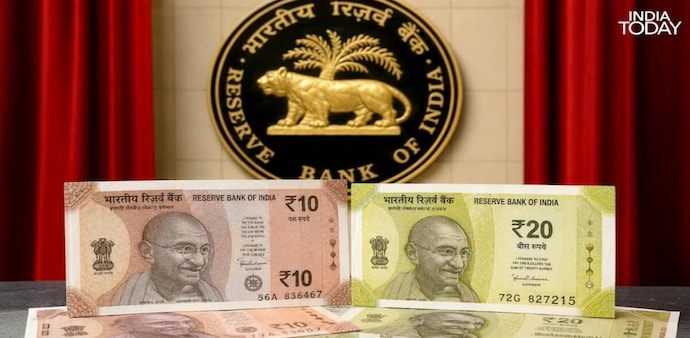
The Reserve Bank of India (RBI) has dismissed viral claims that ₹10, ₹20 and ₹50 currency notes could run short during Diwali, saying sufficient banknotes of all denominations are available in its vaults and currency chests.
A message circulating on WhatsApp and other social media platforms claimed that the availability of new ₹10, ₹20 and ₹50 notes could be affected during the festive season. The message was presented as an RBI advisory, prompting concern among consumers and small traders ahead of Diwali.
The Press Information Bureau’s Fact Check unit also said the claim was fake, clarifying that the RBI had made no such announcement about a shortage of lower-denomination notes.
MUST READ: ₹1,000 note returns? PIB Fact Check dismisses viral social media claim
What does the fake circular say?
The fake circular, dated October 27, 2026 and bearing the reference “RBI/2026-27/124,” claims that the RBI is gradually reducing the printing of ₹10, ₹20 and ₹50 notes to promote a less-cash economy and digital payments.
It warns that this could create a shortage of these small-denomination notes during Diwali and advises people to withdraw or arrange cash in advance to avoid inconvenience during the festival.
RBI’s clarification
In a post on X, formerly Twitter, the RBI said: “It is clarified at the outset that sufficient notes of all denominations, including lower denominations, are available in the RBI vaults and currency chests, and the content of the forged circular is misleading.”
The RBI said the notice was forged, misused its name and logo, and was falsely signed in the name of the Governor; it reiterated that sufficient notes of all denominations are available in its vaults and currency chests.
The central bank said it had not issued any advisory suggesting that ₹10, ₹20 or ₹50 notes would be unavailable or supplied in insufficient quantities before Diwali. It urged the public not to believe or forward the forged circular.
DON'T MISS: Rupee may slide to 102 against US dollar by December 2027, 106 by 2028: Report
What it means for consumers
For households and shopkeepers, the RBI’s statement indicates there is no official supply constraint on small notes during the festival period, when cash demand typically rises for gifts, purchases and local transactions.
The RBI and PIB Fact Check have both asked people to verify claims through the central bank’s official website or verified social media handles before sharing them. The bank has asked people to rely only on its official communications rather than unverified social media forwards.
Banks and currency chests are expected to continue normal note distribution. However, customers planning large cash withdrawals should still coordinate with their branches in advance, as branch-level availability can vary during peak festive demand.