
UPI MDR rules explained: Where will you pay more from October 15? Check charges and exemptions
UPI merchant payments in five key sectors — railways, telecom, insurance, fuel and agricultural inputs — will attract a flat ₹5 MDR on transactions above ₹2,000 from October 15. The concessional rate will replace the standard 0.4% MDR for these categories, while the government has clarified that customers will not have to pay the fee directly.
- Sep 16, 2026,
- Updated Sep 16, 2026 5:35 AM IST
The Merchant Discount Rate (MDR) will be introduced on select Person-to-Merchant (P2M) UPI transactions from October 15, with merchants paying 0.4% on payments above ₹2,000. However, the new framework has different rates and exemptions for small merchants, capital-market transactions and certain essential services.
Where will the 0.4% MDR apply?
For regular P2M transactions above ₹2,000, merchants will pay an MDR of 0.4%. The charge will be capped at ₹300 for transactions of ₹75,000 and above. A ₹3,000 payment, for instance, will attract ₹12, while a ₹50,000 payment will attract ₹200. A ₹1 lakh transaction, which would otherwise attract ₹400, will be capped at ₹300.
Transactions up to ₹2,000 will remain free, including for large commercial merchants.
Small merchants remain exempt
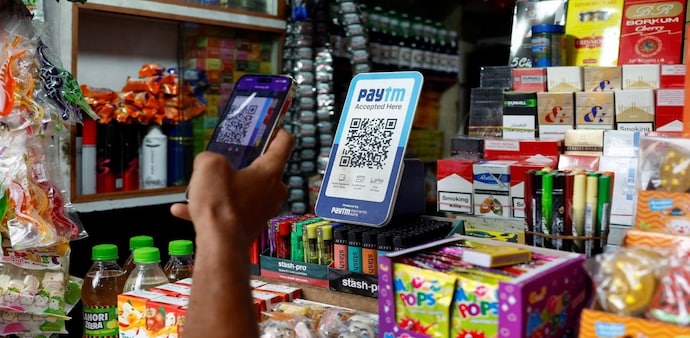
Small vendors covered under the Person-to-Person-Merchant (P2PM) framework will continue to enjoy zero MDR. The category covers small merchants receiving up to ₹1 lakh a month through UPI QR codes. Importantly, a small merchant will not be charged simply because an individual payment exceeds ₹2,000; MDR applicability depends on the merchant's overall account categorisation.
MUST READ: UPI MDR of 0.4% on transactions above ₹2,000 from October 15: What you need to know
Railways, insurance, fuel and utilities
Certain sectors will get a concessional flat MDR instead of the 0.4% rate. Railways, telecom services, insurance and fuel, among other specified categories, will attract a flat ₹5 MDR on transactions above ₹2,000.
Insurance premiums above ₹2,000 will therefore carry a ₹5 charge, while fuel purchases above the threshold at petrol pumps will also attract ₹5. Electricity, water and piped natural gas bill payments above ₹2,000 will similarly carry the flat ₹5 MDR. Payments below ₹2,000 remain free.
Mutual funds and stock-market payments
Capital-market transactions have a separate MDR structure. Payments to mutual funds, securities dealers, stockbrokers and investment platforms will attract 0.02% of the transaction value, subject to a maximum cap of ₹300. The framework covers payments for equity purchases, debt-market investments, mutual funds and broker wallet top-ups.
UPI MDR structure from October 15
| Transaction / Merchant category | MDR applicable | Example / Cap |
|---|---|---|
| UPI P2M transactions up to ₹2,000 | 0% | No MDR |
| Regular P2M transactions above ₹2,000 | 0.4% | ₹3,000 → ₹12; ₹50,000 → ₹200 |
| P2M transactions ₹75,000 and above | 0.4%, capped at ₹300 | ₹1 lakh → ₹300 |
| Small merchants under P2PM | 0% | Remains exempt, including if an individual payment exceeds ₹2,000 |
| Railways, telecom, insurance, fuel and other specified sectors | ₹5 flat | Applies to transactions above ₹2,000 |
| Electricity, water and piped natural gas | ₹5 flat | Applies to transactions above ₹2,000 |
| Capital-market transactions | 0.02%, capped at ₹300 | Mutual funds, securities, stockbrokers and investment platforms |
| P2P UPI transfers | 0% | Free irrespective of transaction value |
| UPI payments made by consumers | 0% | No customer-facing charge |
| Credit-linked UPI payments | Separate rules | RuPay credit cards/credit lines linked to UPI are outside this MDR framework |
ALSO READ: Are school, college fee payments exempt from standard UPI MDR? Here’s what parents need to note
What about consumers and P2P payments?
Consumers will not be charged for making UPI payments. Person-to-person transactions, including transfers to family and friends or between a user's own accounts, will remain free irrespective of the amount. UPI apps will also not be allowed to impose a platform fee on UPI payments.
The MDR also cannot be passed on to buyers by merchants. Consumers will continue to pay the listed price for goods and services.
Credit-linked UPI payments, including RuPay credit cards linked to UPI and pre-sanctioned bank credit lines, will follow separate credit-product rules and are outside this direct account-to-merchant UPI MDR framework.
The Merchant Discount Rate (MDR) will be introduced on select Person-to-Merchant (P2M) UPI transactions from October 15, with merchants paying 0.4% on payments above ₹2,000. However, the new framework has different rates and exemptions for small merchants, capital-market transactions and certain essential services.
Where will the 0.4% MDR apply?
For regular P2M transactions above ₹2,000, merchants will pay an MDR of 0.4%. The charge will be capped at ₹300 for transactions of ₹75,000 and above. A ₹3,000 payment, for instance, will attract ₹12, while a ₹50,000 payment will attract ₹200. A ₹1 lakh transaction, which would otherwise attract ₹400, will be capped at ₹300.
Transactions up to ₹2,000 will remain free, including for large commercial merchants.
Small merchants remain exempt
Small vendors covered under the Person-to-Person-Merchant (P2PM) framework will continue to enjoy zero MDR. The category covers small merchants receiving up to ₹1 lakh a month through UPI QR codes. Importantly, a small merchant will not be charged simply because an individual payment exceeds ₹2,000; MDR applicability depends on the merchant's overall account categorisation.
MUST READ: UPI MDR of 0.4% on transactions above ₹2,000 from October 15: What you need to know
Railways, insurance, fuel and utilities
Certain sectors will get a concessional flat MDR instead of the 0.4% rate. Railways, telecom services, insurance and fuel, among other specified categories, will attract a flat ₹5 MDR on transactions above ₹2,000.
Insurance premiums above ₹2,000 will therefore carry a ₹5 charge, while fuel purchases above the threshold at petrol pumps will also attract ₹5. Electricity, water and piped natural gas bill payments above ₹2,000 will similarly carry the flat ₹5 MDR. Payments below ₹2,000 remain free.
Mutual funds and stock-market payments
Capital-market transactions have a separate MDR structure. Payments to mutual funds, securities dealers, stockbrokers and investment platforms will attract 0.02% of the transaction value, subject to a maximum cap of ₹300. The framework covers payments for equity purchases, debt-market investments, mutual funds and broker wallet top-ups.
UPI MDR structure from October 15
| Transaction / Merchant category | MDR applicable | Example / Cap |
|---|---|---|
| UPI P2M transactions up to ₹2,000 | 0% | No MDR |
| Regular P2M transactions above ₹2,000 | 0.4% | ₹3,000 → ₹12; ₹50,000 → ₹200 |
| P2M transactions ₹75,000 and above | 0.4%, capped at ₹300 | ₹1 lakh → ₹300 |
| Small merchants under P2PM | 0% | Remains exempt, including if an individual payment exceeds ₹2,000 |
| Railways, telecom, insurance, fuel and other specified sectors | ₹5 flat | Applies to transactions above ₹2,000 |
| Electricity, water and piped natural gas | ₹5 flat | Applies to transactions above ₹2,000 |
| Capital-market transactions | 0.02%, capped at ₹300 | Mutual funds, securities, stockbrokers and investment platforms |
| P2P UPI transfers | 0% | Free irrespective of transaction value |
| UPI payments made by consumers | 0% | No customer-facing charge |
| Credit-linked UPI payments | Separate rules | RuPay credit cards/credit lines linked to UPI are outside this MDR framework |
ALSO READ: Are school, college fee payments exempt from standard UPI MDR? Here’s what parents need to note
What about consumers and P2P payments?
Consumers will not be charged for making UPI payments. Person-to-person transactions, including transfers to family and friends or between a user's own accounts, will remain free irrespective of the amount. UPI apps will also not be allowed to impose a platform fee on UPI payments.
The MDR also cannot be passed on to buyers by merchants. Consumers will continue to pay the listed price for goods and services.
Credit-linked UPI payments, including RuPay credit cards linked to UPI and pre-sanctioned bank credit lines, will follow separate credit-product rules and are outside this direct account-to-merchant UPI MDR framework.