
'Strong housing demand will sustain,' says HDFC's Keki Mistry as firm's Q4 net rises 20%
According to HDFC chairman, there is an even balance of growth in the real estate sector between the metros and the non-metros.
- May 5, 2023,
- Updated May 5, 2023 2:36 PM IST
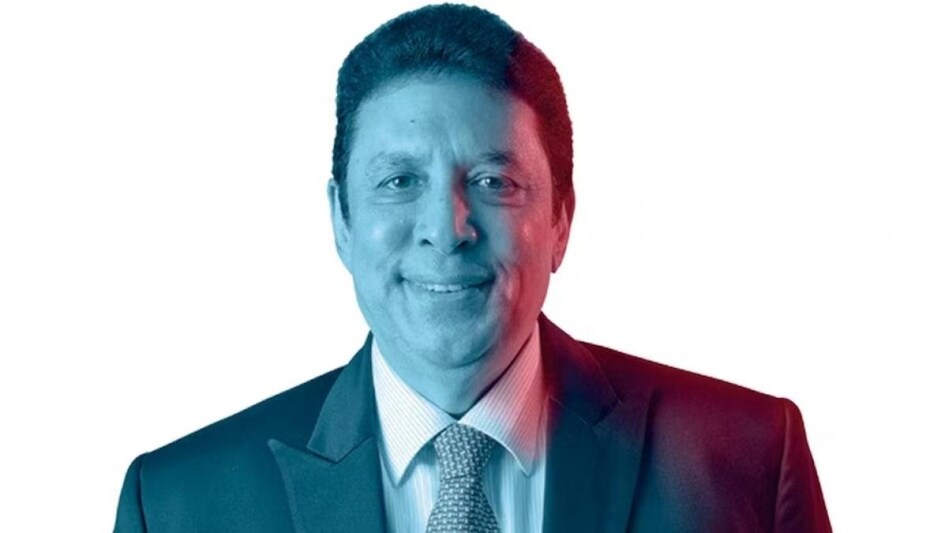
The housing demand continues to remain strong because of affordability and the incentives offered by government to buy new houses, said Keki Mistry, chairman of Housing Development Finance Corporation Ltd, on Thursday. “I think we have to complement RBI, complement the government for all the measures they've taken over the last 3-4 years, particularly after the onset of Covid, which has set our economy on such a strong growth path”
In an exclusive interview with Siddharth Zarabi, Managing Editor of Business Today TV, Keki Mistry, expressed his views on the growth of housing industry in both metro and non-metro cities. When asked whether the belief that the affordable housing is pretty much dead and only the upper end of the market is moving, is correct, he said: “I would put it this way, that the period from 2017 to 2020, what I said earlier was a period of stress in the real estate sector, and that stress was really coming in the high income brackets. While the Tier 2, Tier 3 towns continued to grow in that period, the Tier 1 cities started seeing a slowdown. Now, the demand started picking up post- Covid as a result of the affordability, as a result of Covid-induced demand, as a result of the fact that the government offered a number of incentives for people to buy a house.”
“Housing creates the most number of jobs”, Mistry explained, whether it is direct jobs in the form of production workers, carpenters, plumbers or whether it is indirect jobs in cement , paint, steel, power etc. "There was a lot of incentives given to these industries and, consequently, job opportunities rose, and as a result of all of that, the demand started picking up in the metros. Currently, there is an even balance of growth between the metros and the non-metros, with the metros going slightly higher than the non-metros but it is not as if the non-metros are not growing. They are also going equally strong," according to Mistry.
The chairman of country's largest mortgage lender was also asked if he thinks this growth story in real estate will sustain, emphasising the recent layoffs in the tech sector, to which he replied, “Yes, I think it will sustain. You are talking of a very small fragment of the bucket, which deals with international players and because of the slowdown in the Western world you might have seen some layoffs, but the Indian economy is largely domestic. We are far less dependent on what happens in the US or UK or Europe or wherever else, compared to let's say China and our domestic economy is extremely strong as we speak today. So, I would expect a growth momentum to continue even in the metros.”
Mistry also went on to compliment RBI for the role they played in ensuring that Indian market wasn’t flooded with liquidity unlike Western countries, which fueled inflation. “RBI and government managed the economy really well during the difficult 2020-2021 Covid period and therefore, we did not see the kind of the inflation that the Western countries saw and our inflation was rising due to the fact that oil prices shot up due to global factors that we can't control." He added that he doesn’t see any further risk for any kind of interest rate increase by RBI. In his opinion, there will be a stability in rates for some time and at maybe some point, if everything stays normal in terms of monsoon, geopolitical issues, we could also see rates coming off a bit.
HDFC on Thursday reported a 20 per cent increase in its profit after tax for the January-March quarter at Rs 4,425 crore. Mistry said that the company expects the $40-billion merger with HDFC Bank to be completed by July this year.
Mistry said the NII has been impacted in Q4FY23 because of the RBI's rate hikes, wherein the cost of liabilities rose faster as compared to the yield on advances resulting in an impact on interest incomes.
On a call with analysts, Mistry said that the company is carrying an excess statutory liquidity ratio, with the overall investments in government securities being 128 per cent of the requirements.
Replying to a question on the way forward for warrant holders after their expiry in August, Mistry said the holders will get shares of HDFC Bank instead of HDFC in the same proportion as the merger ratio.
HDFC will engage with RBI to find a better-suited way out on its fully-owned educational loans subsidiary Credila Financial Services, Mistry said, adding that a variety of people have approached it evincing interest to invest following the central bank's decision to get the stake in the entity down to 10 per cent post the merger. Mistry said a final solution on Credila will be out by the end of June.
Also Read: HDFC Q4 results: Profit jumps 20% to Rs 4,425 crore; Rs 44 dividend announced
The housing demand continues to remain strong because of affordability and the incentives offered by government to buy new houses, said Keki Mistry, chairman of Housing Development Finance Corporation Ltd, on Thursday. “I think we have to complement RBI, complement the government for all the measures they've taken over the last 3-4 years, particularly after the onset of Covid, which has set our economy on such a strong growth path”
In an exclusive interview with Siddharth Zarabi, Managing Editor of Business Today TV, Keki Mistry, expressed his views on the growth of housing industry in both metro and non-metro cities. When asked whether the belief that the affordable housing is pretty much dead and only the upper end of the market is moving, is correct, he said: “I would put it this way, that the period from 2017 to 2020, what I said earlier was a period of stress in the real estate sector, and that stress was really coming in the high income brackets. While the Tier 2, Tier 3 towns continued to grow in that period, the Tier 1 cities started seeing a slowdown. Now, the demand started picking up post- Covid as a result of the affordability, as a result of Covid-induced demand, as a result of the fact that the government offered a number of incentives for people to buy a house.”
“Housing creates the most number of jobs”, Mistry explained, whether it is direct jobs in the form of production workers, carpenters, plumbers or whether it is indirect jobs in cement , paint, steel, power etc. "There was a lot of incentives given to these industries and, consequently, job opportunities rose, and as a result of all of that, the demand started picking up in the metros. Currently, there is an even balance of growth between the metros and the non-metros, with the metros going slightly higher than the non-metros but it is not as if the non-metros are not growing. They are also going equally strong," according to Mistry.
The chairman of country's largest mortgage lender was also asked if he thinks this growth story in real estate will sustain, emphasising the recent layoffs in the tech sector, to which he replied, “Yes, I think it will sustain. You are talking of a very small fragment of the bucket, which deals with international players and because of the slowdown in the Western world you might have seen some layoffs, but the Indian economy is largely domestic. We are far less dependent on what happens in the US or UK or Europe or wherever else, compared to let's say China and our domestic economy is extremely strong as we speak today. So, I would expect a growth momentum to continue even in the metros.”
Mistry also went on to compliment RBI for the role they played in ensuring that Indian market wasn’t flooded with liquidity unlike Western countries, which fueled inflation. “RBI and government managed the economy really well during the difficult 2020-2021 Covid period and therefore, we did not see the kind of the inflation that the Western countries saw and our inflation was rising due to the fact that oil prices shot up due to global factors that we can't control." He added that he doesn’t see any further risk for any kind of interest rate increase by RBI. In his opinion, there will be a stability in rates for some time and at maybe some point, if everything stays normal in terms of monsoon, geopolitical issues, we could also see rates coming off a bit.
HDFC on Thursday reported a 20 per cent increase in its profit after tax for the January-March quarter at Rs 4,425 crore. Mistry said that the company expects the $40-billion merger with HDFC Bank to be completed by July this year.
Mistry said the NII has been impacted in Q4FY23 because of the RBI's rate hikes, wherein the cost of liabilities rose faster as compared to the yield on advances resulting in an impact on interest incomes.
On a call with analysts, Mistry said that the company is carrying an excess statutory liquidity ratio, with the overall investments in government securities being 128 per cent of the requirements.
Replying to a question on the way forward for warrant holders after their expiry in August, Mistry said the holders will get shares of HDFC Bank instead of HDFC in the same proportion as the merger ratio.
HDFC will engage with RBI to find a better-suited way out on its fully-owned educational loans subsidiary Credila Financial Services, Mistry said, adding that a variety of people have approached it evincing interest to invest following the central bank's decision to get the stake in the entity down to 10 per cent post the merger. Mistry said a final solution on Credila will be out by the end of June.
Also Read: HDFC Q4 results: Profit jumps 20% to Rs 4,425 crore; Rs 44 dividend announced