
Mars was not always dead: This ancient clay could rewrite everything we thought
Ancient clay on Mars reveals a wetter, warmer past—possibly once habitable. Preserved for billions of years, it could hold the strongest clues yet for ancient Martian life.
- Jul 15, 2025,
- Updated Jul 15, 2025 3:59 PM IST
- 1/9
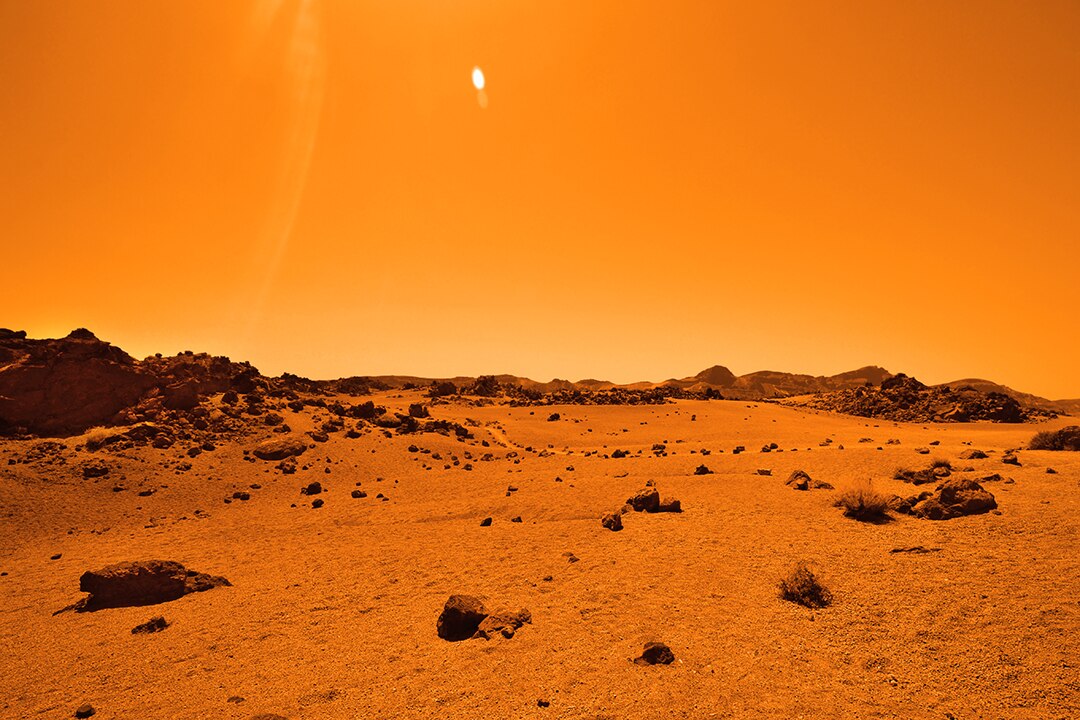
Mars is hiding something in plain sight—thick layers of ancient clay, built with water and time. These deposits could be the best shot at finding signs of life.
- 2/9
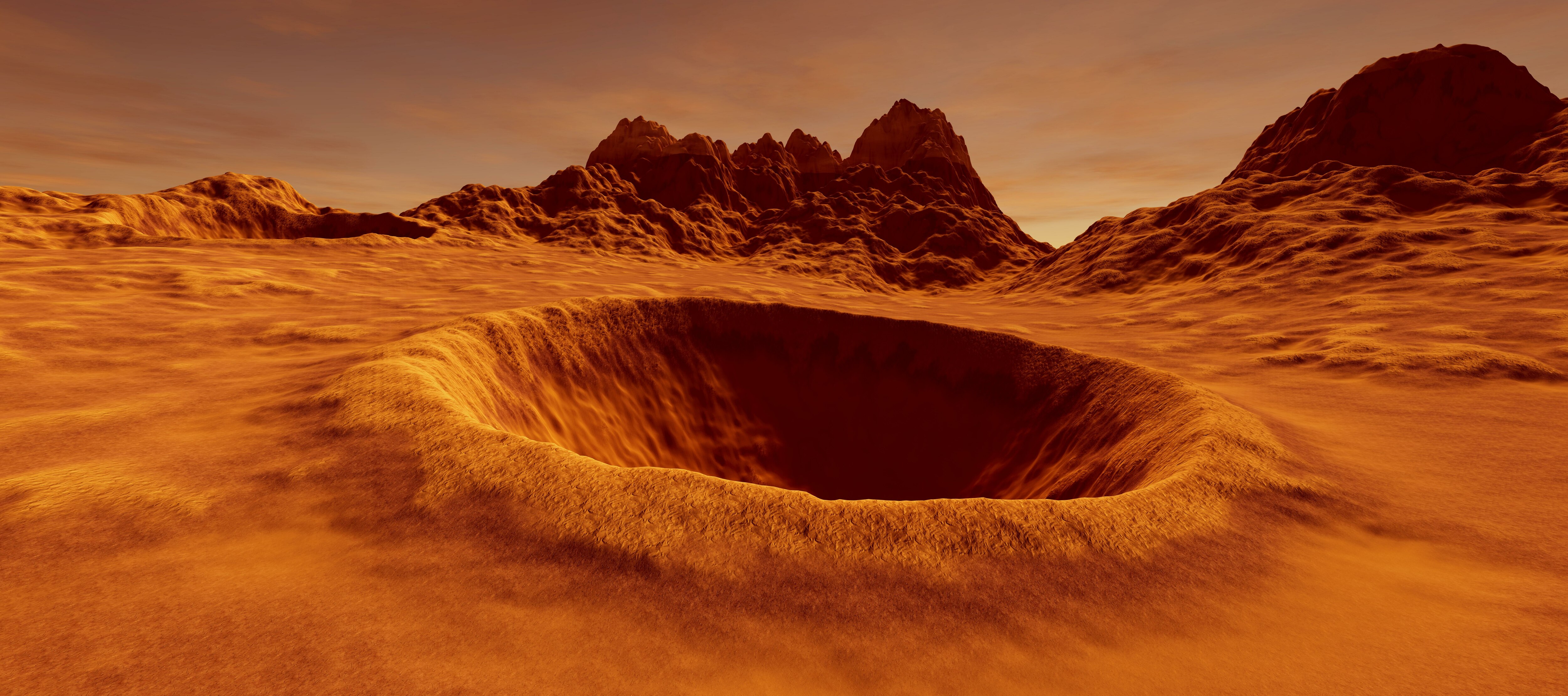
Clay only forms where water once flowed and lingered. The Martian layers—hundreds of feet deep—suggest a Mars that was once warm, wet, and stable.
- 3/9
Unlike Earth’s shifting terrain, Mars' flat, undisturbed landscapes have cradled these clays for billions of years—preserving a chemical diary of its watery past.
- 4/9
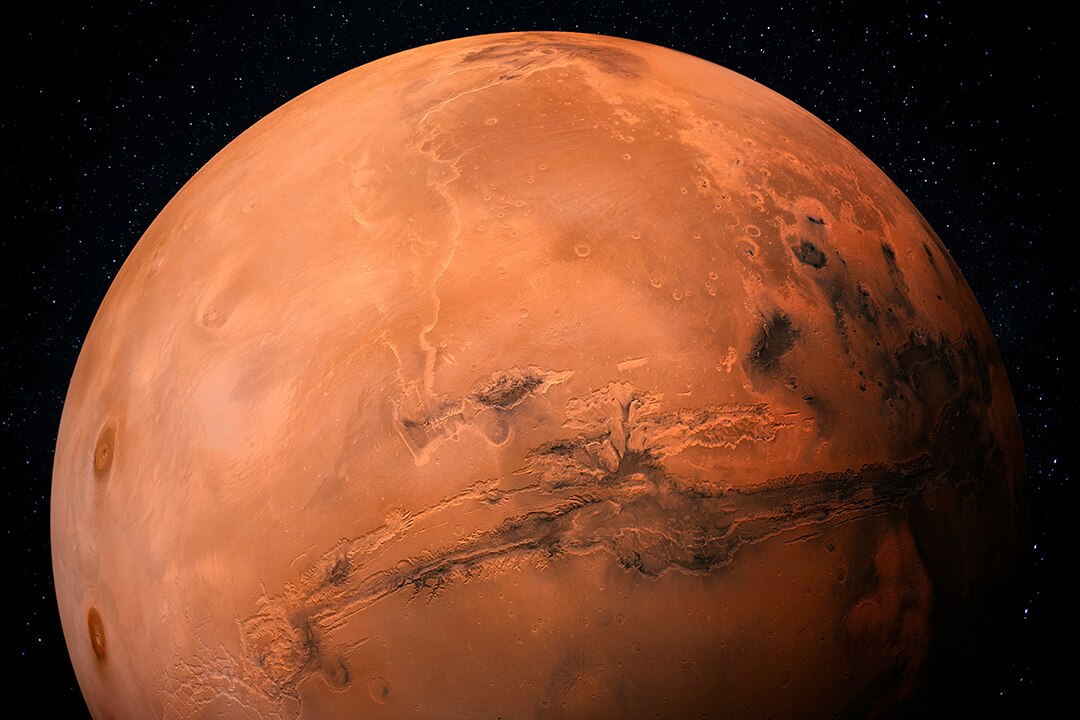
Where there's clay, there might've been microbes. The gentle chemical weathering and minimal erosion mirror Earth's most life-friendly soils.
- 5/9
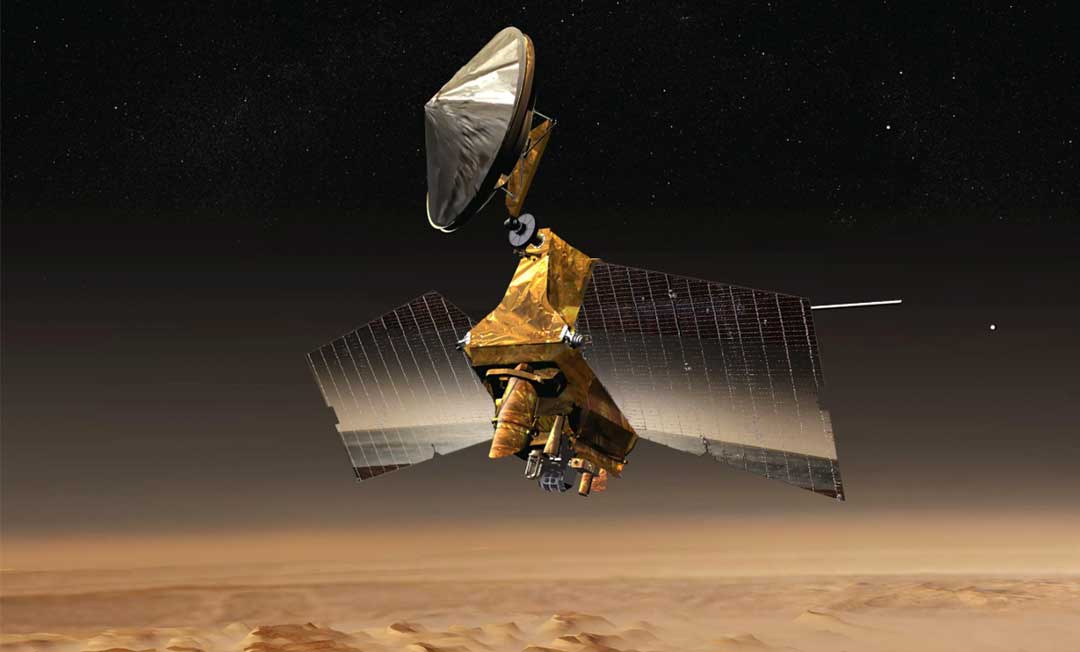
Using data from NASA's Mars Reconnaissance Orbiter, scientists scanned 150 clay sites. Most lie far from intense riverbeds but close to ancient lakes—ideal habitats.
- 6/9
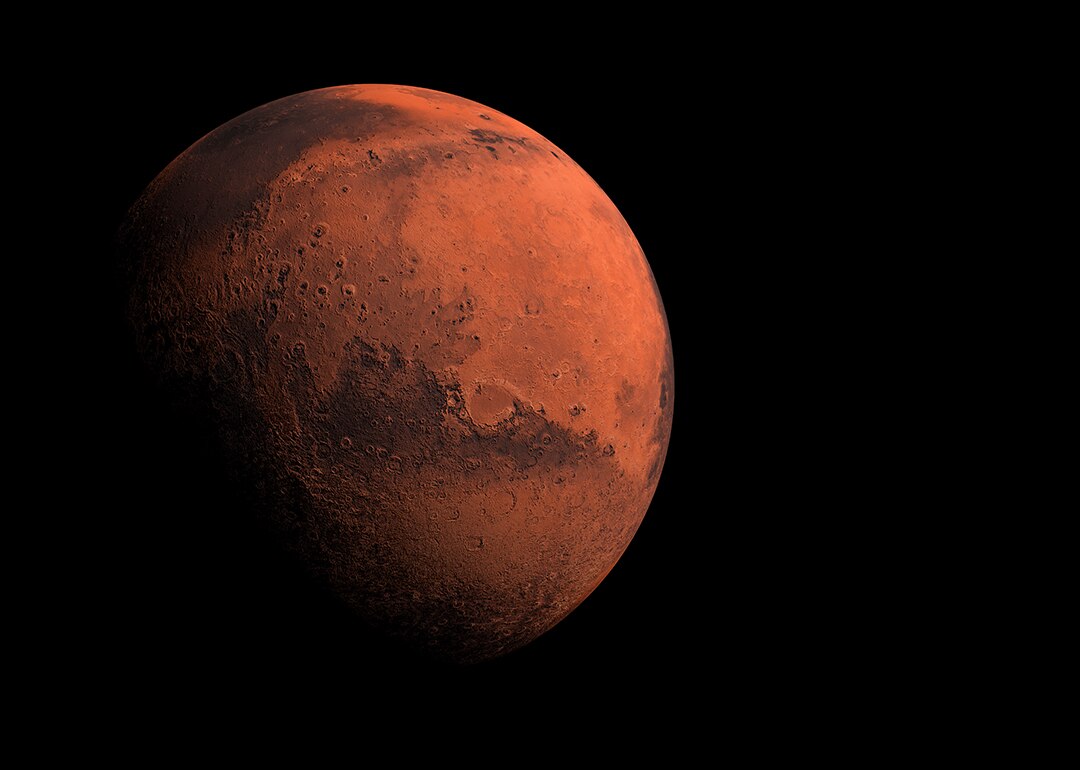
These deposits aren’t near violent water flows. They’re in calm zones—where sediment settled, chemistry brewed, and maybe, just maybe, life stirred.
- 7/9
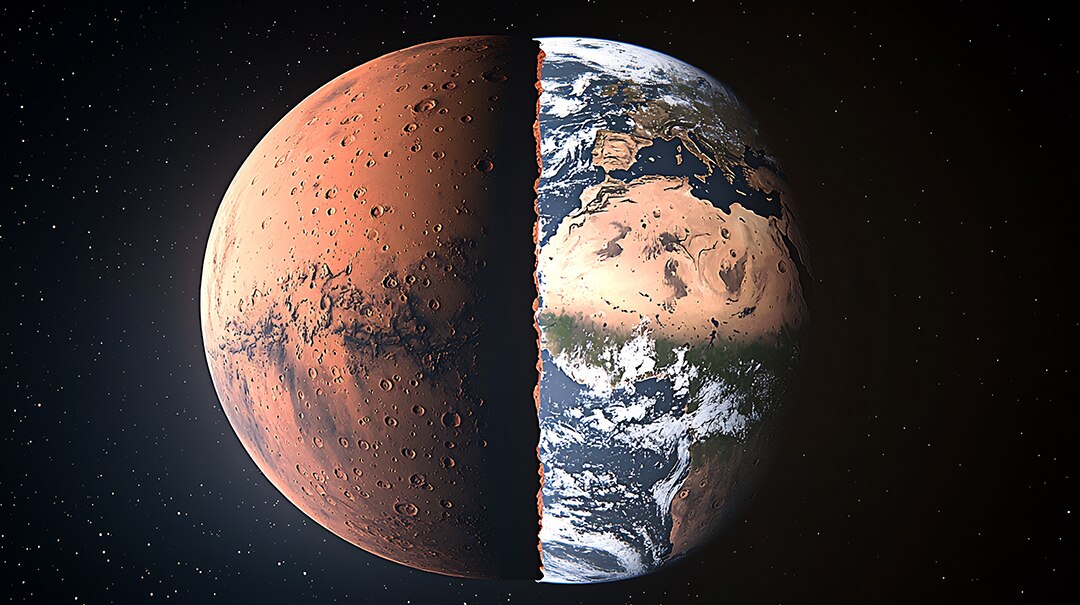
Mars has clay but almost no carbonates—a geochemical mystery. Scientists think the clays soaked up vital ions, blocking carbonate formation and trapping clues to climate history.

- 8/9
With no tectonic churn like Earth’s, Mars didn’t recycle rock. Its ancient volcanic CO₂ likely lingered, fueling weathering—and creating ideal conditions for clays to form.
- 9/9
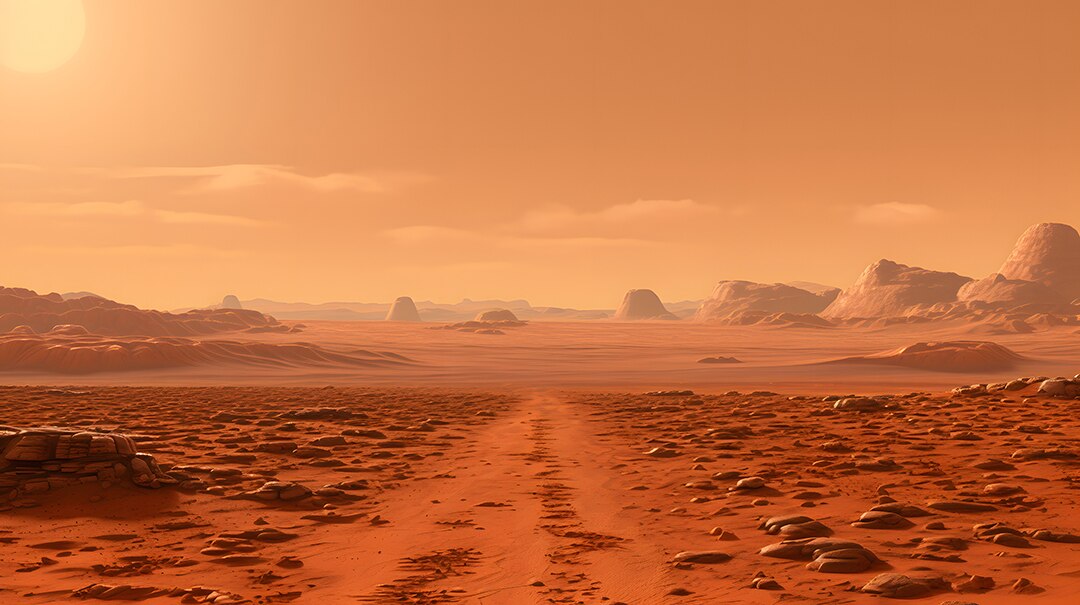
This isn’t the frozen desert we picture. These findings point to a Mars that was once alive with rain, lakes, and chemical complexity—an alien Earth in deep time.