
NASA just locked four people in fake Mars for 378 days: Here’s why it matters
NASA sealed four people inside a 3D-printed Mars habitat for 378 days. The CHAPEA mission tests survival, autonomy, and psychology for future human life on the Red Planet.
- Sep 8, 2025,
- Updated Sep 8, 2025 11:55 AM IST
- 1/9
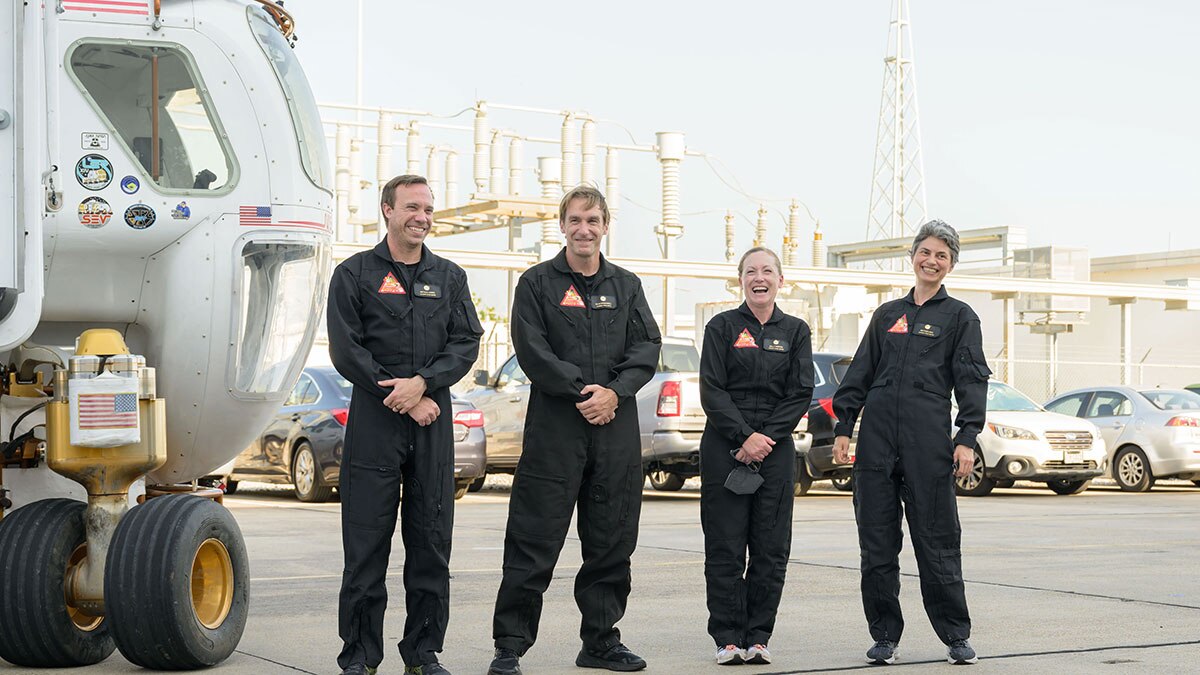
For 378 days, four Earthlings will live like Martians—isolated, resource-starved, and entirely cut off from real-time contact. It’s not fiction. It’s NASA’s most intense psychological trial yet.
- 2/9
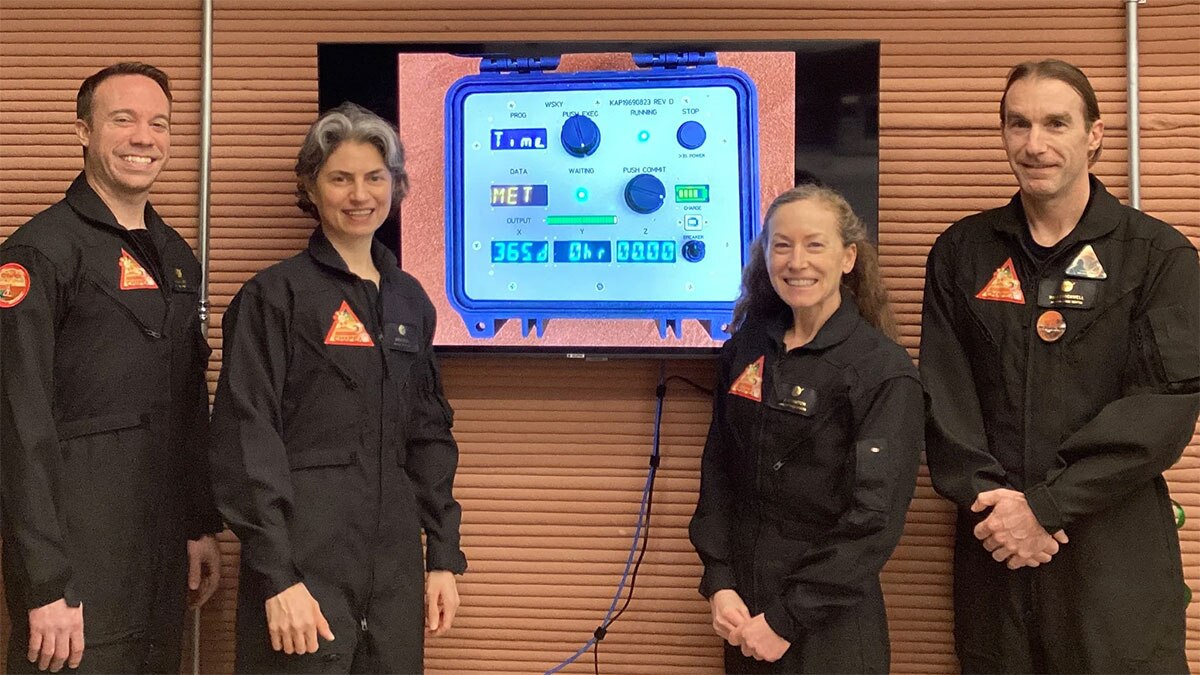
With programmed equipment failures and communication delays baked in, this isn't just a Mars rehearsal—it’s a brutal sandbox for testing human limits under relentless pressure.
- 3/9
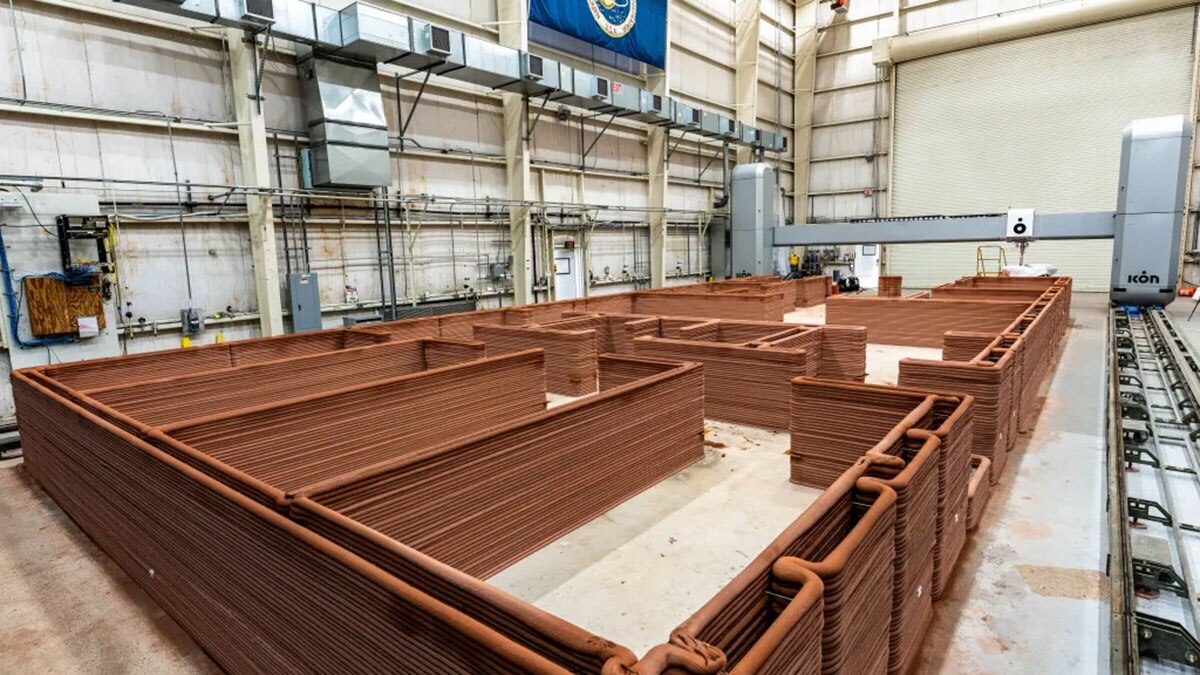
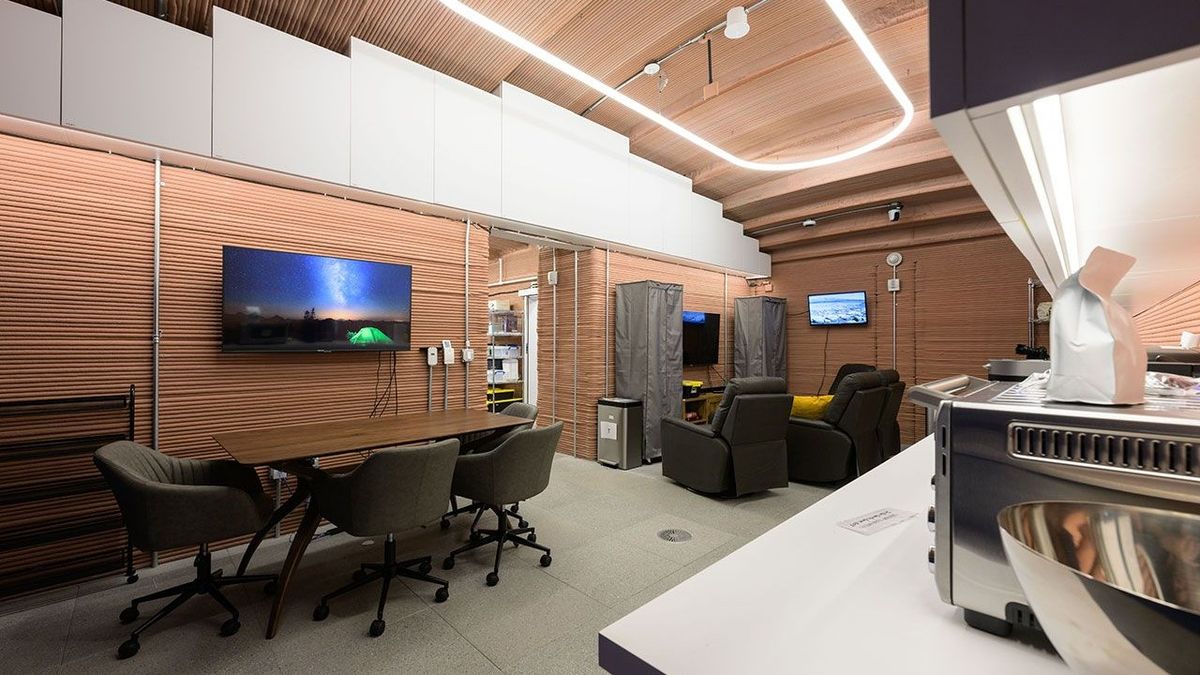
Inside a 3D-printed habitat in Houston, a carefully chosen crew will mimic life on Mars, facing everything from food rationing to total autonomy—without ever leaving Earth.
- 4/9
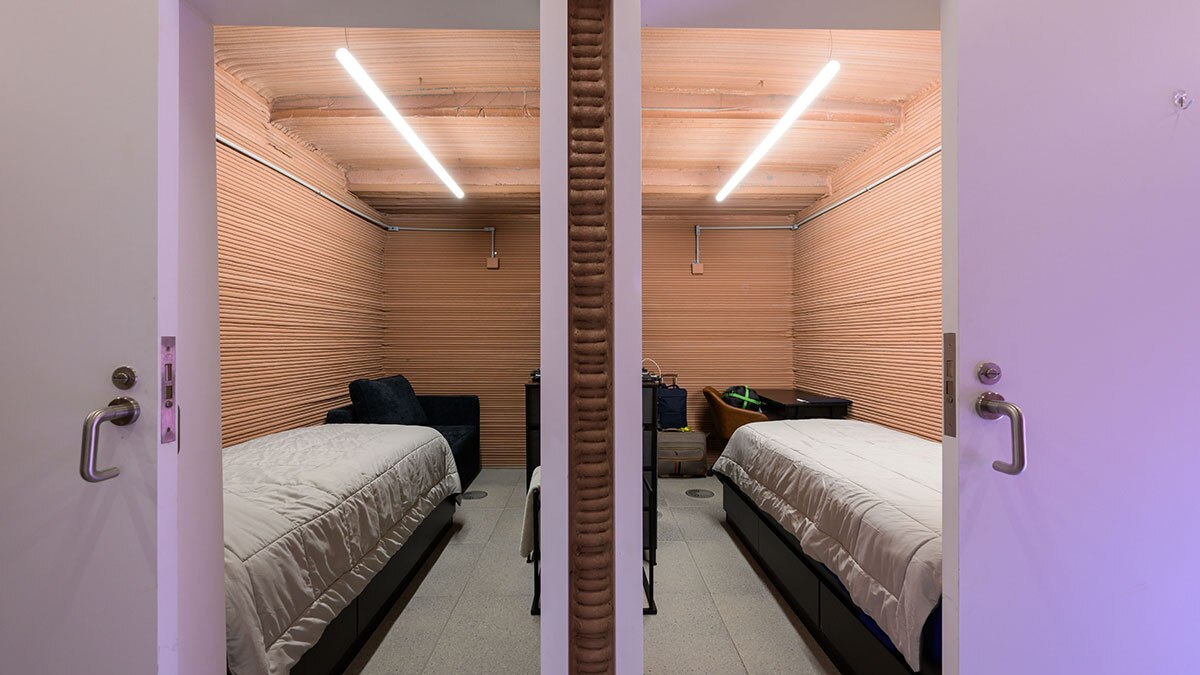
One year. Zero privacy. Fake Mars. The CHAPEA habitat will simulate not only survival, but how well humans perform when the mission clock never stops ticking.
- 5/9
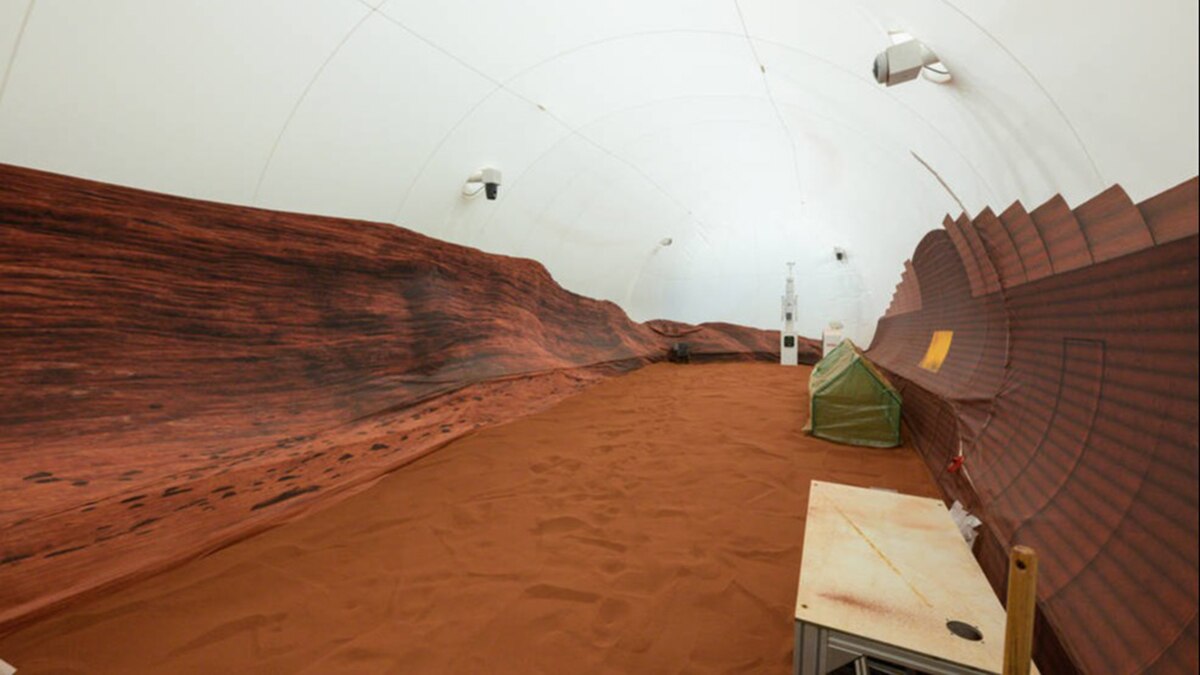
Forget short-term stress tests. This is a 378-day human experiment in self-sufficiency, autonomy, and emotional endurance—with Mars Dune Alpha as both lab and cage.
- 6/9
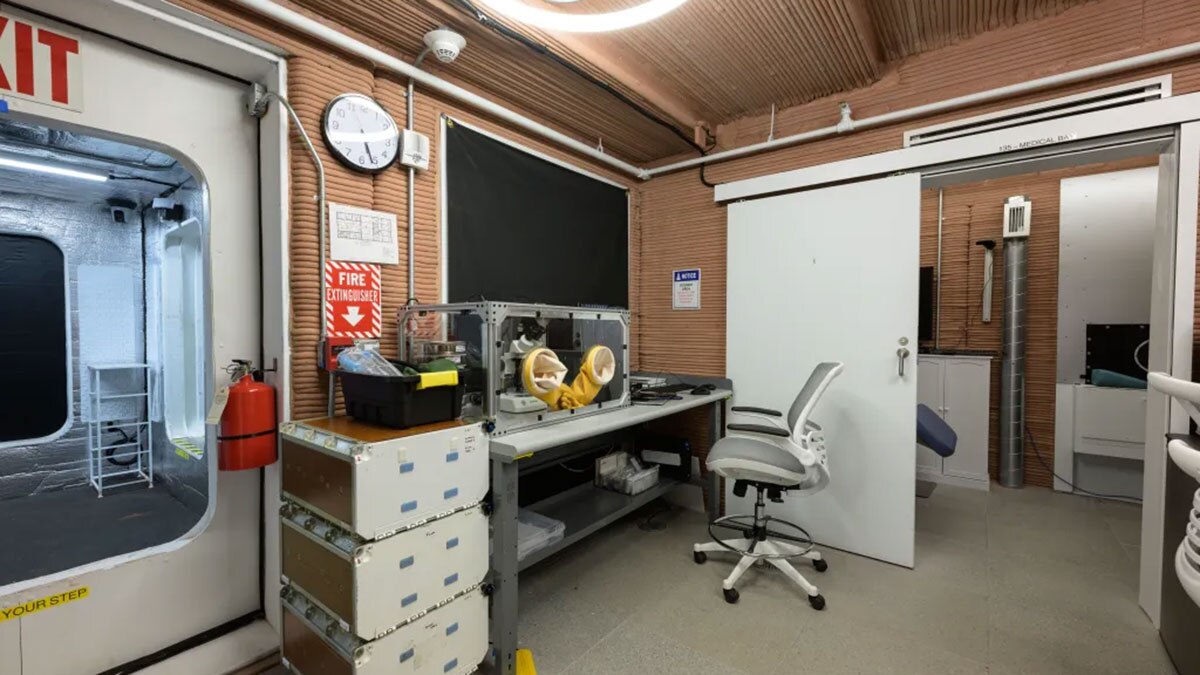
Grown lettuce, filtered sweat, robot drills, and zero resupply: NASA's new Mars simulation isn’t about pretending. It’s about proving humanity can actually live this way.
- 7/9
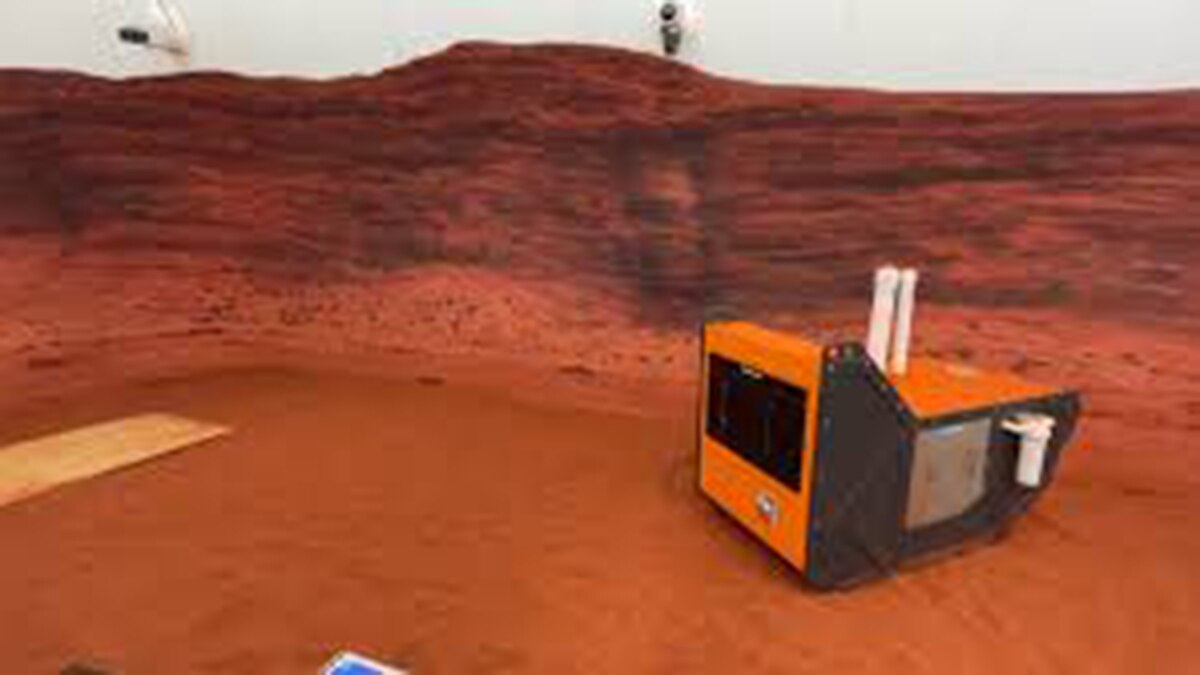
With no mission control to bail them out, CHAPEA crews must navigate simulated crises—forcing NASA to reckon with what happens when autonomy meets exhaustion.
- 8/9
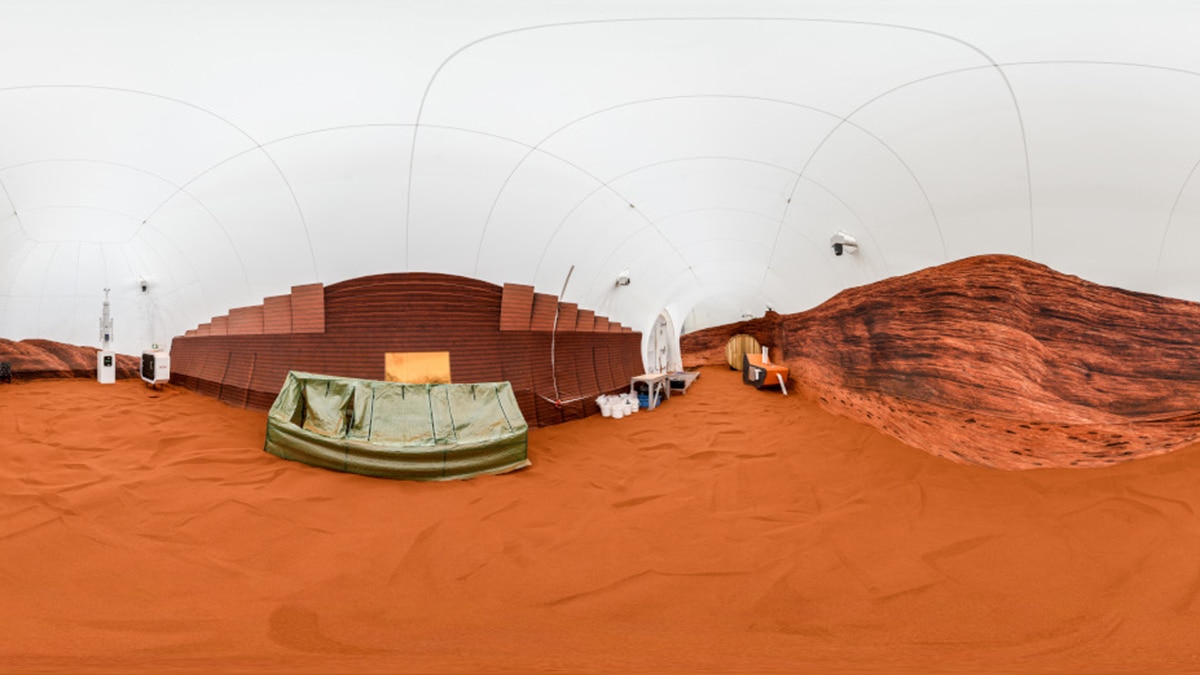
The stakes may be fake, but the stress, sweat, and systems breakdowns are all too real. CHAPEA isn’t a drill. It’s a blueprint for who we become off-world.
- 9/9
Every meal, every error, every moment in this mission feeds one goal: making sure when humanity sets foot on Mars, we’re not guessing—we’re ready.