
Scientists just found Jurassic fossils that died mid-flight — and it’s haunting
Scientists discovered 150-million-year-old pterosaur fossils in Germany, revealing baby hatchlings that died mid-flight during a storm—perfectly preserved in Jurassic limestone.
- Sep 8, 2025,
- Updated Sep 8, 2025 1:16 PM IST
- 1/9
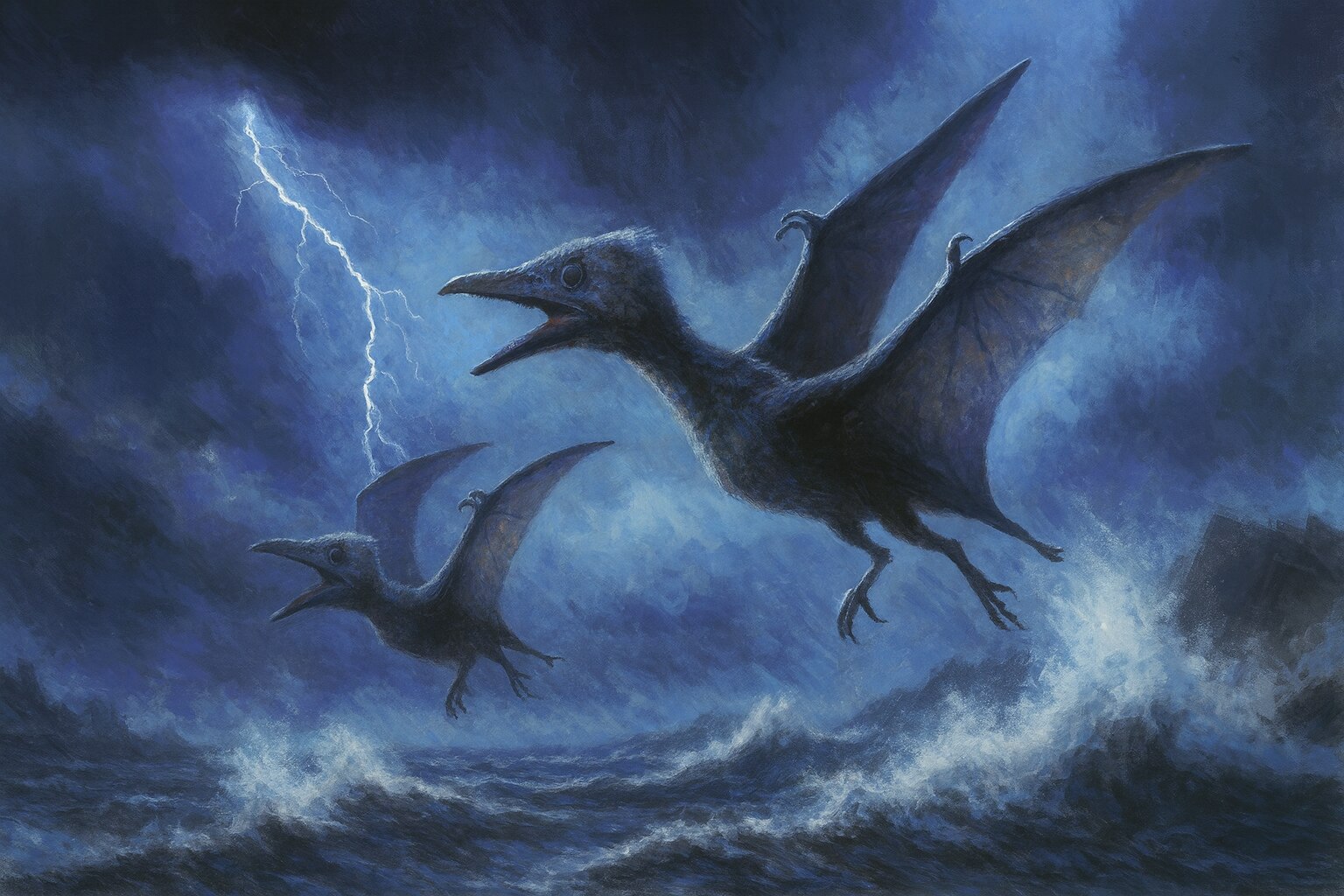
Two baby pterosaurs took their first flights—and their last—into a storm that shattered their wings and sealed them in stone for 150 million years.
- 2/9
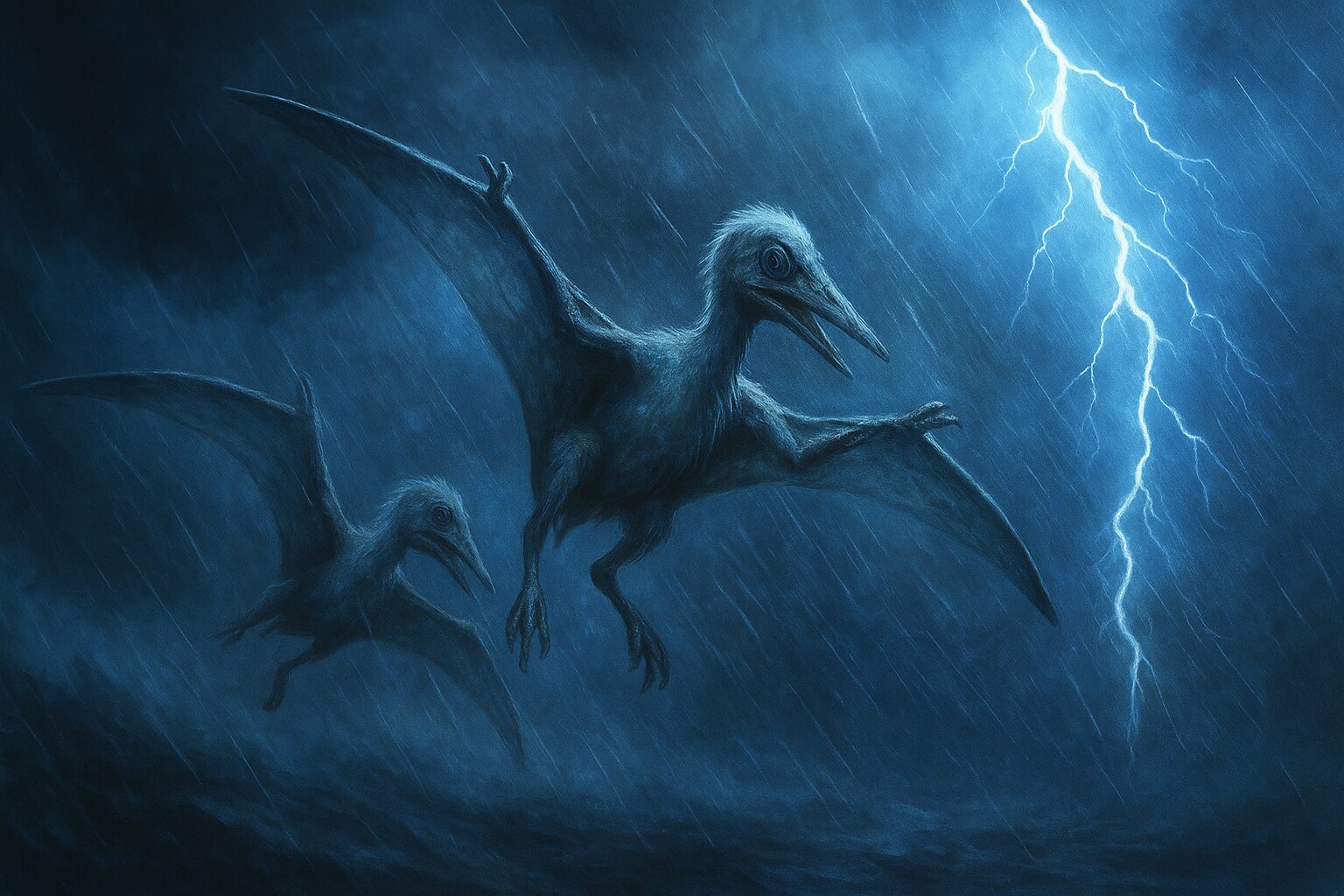
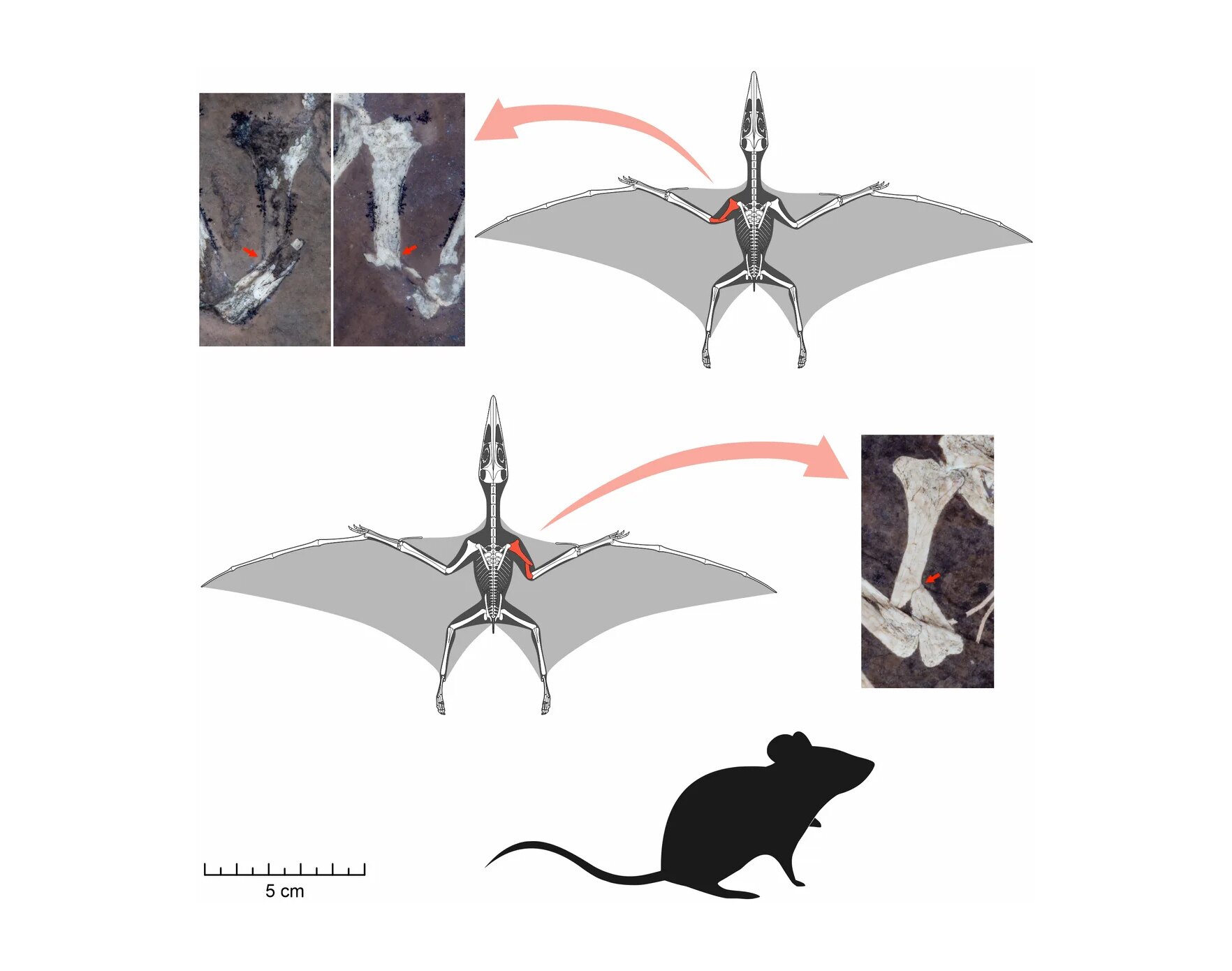
Twisted humerus fractures in fossilized hatchlings show eerie parallels to modern birds caught mid-air in violent wind—evidence of flight gone fatally wrong.
- 3/9
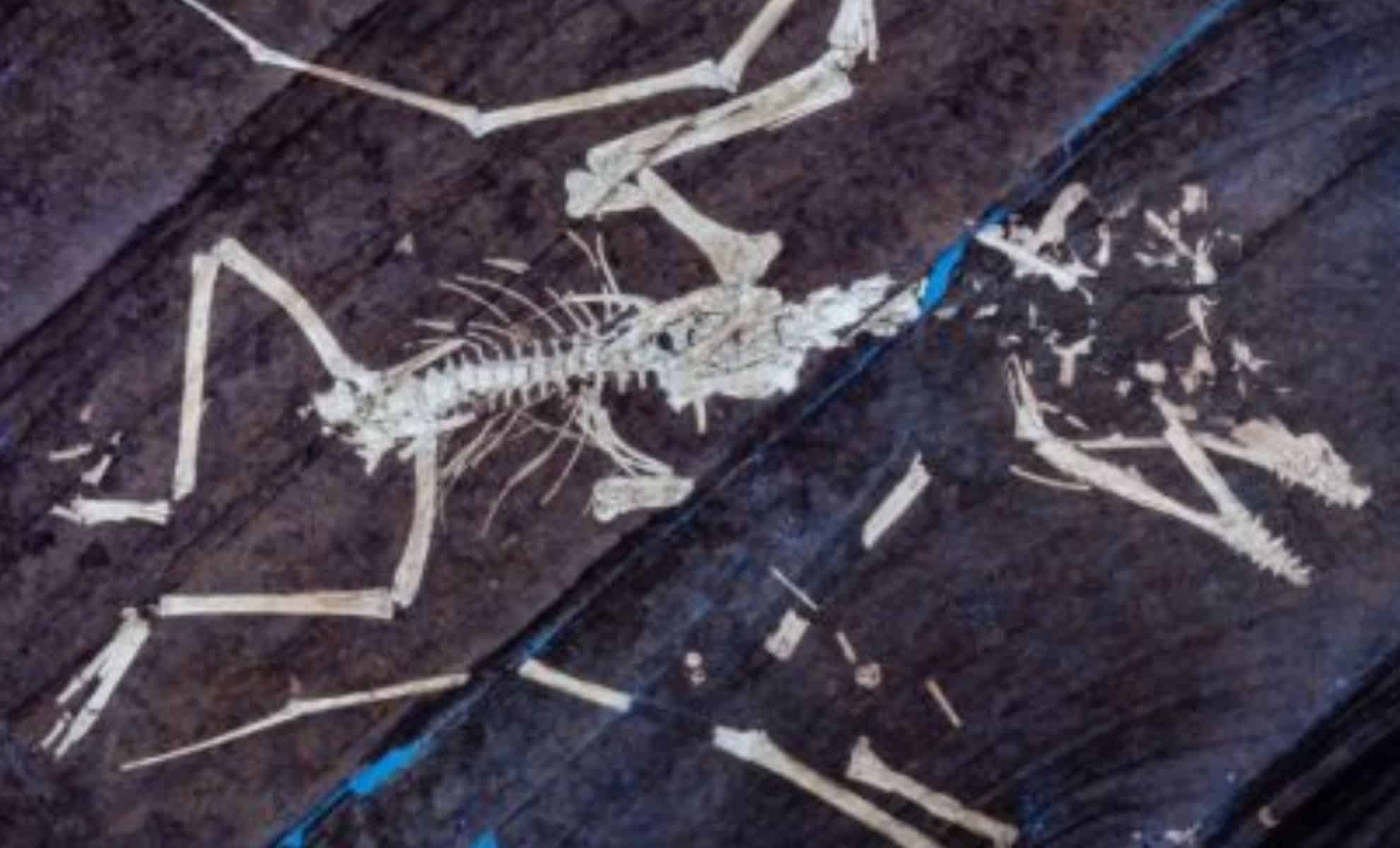
The Solnhofen lagoon didn’t just preserve fossils—it devoured airborne juveniles with storm-churned waters, capturing death in almost cinematic detail. Credit: University of Leicester
- 4/9
Smaller than a mouse, Lucky I and Lucky II were airborne when a storm twisted their bones and flung them into prehistory’s most exquisite graveyard. Credit: University of Leicester
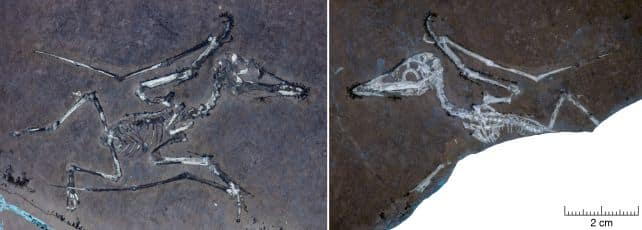
- 5/9
The wind left no survivors—but it left a record. These pterosaurs died in flight and were buried with injuries still fresh, frozen in ancient limestone. Credit: University of Leicester
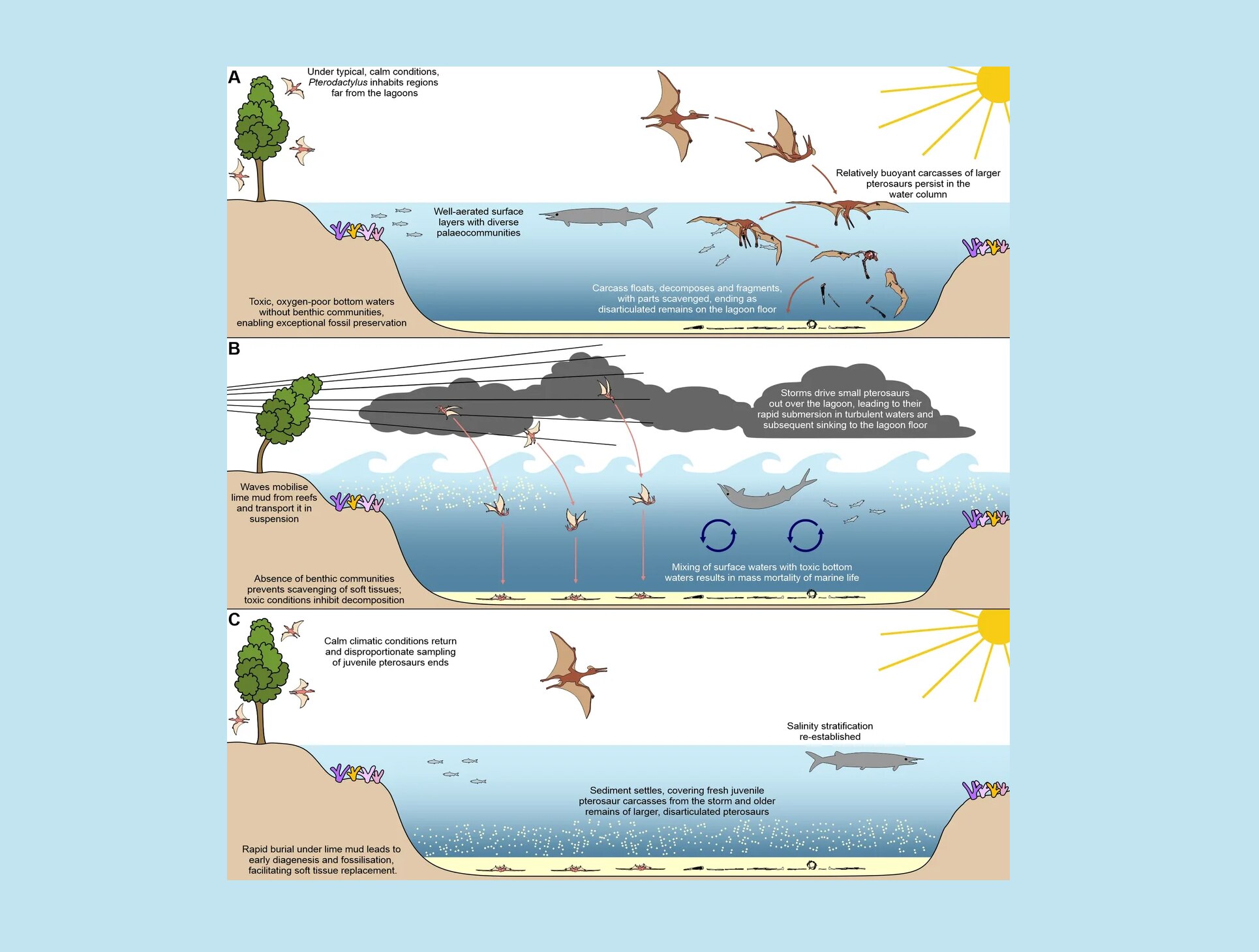
- 6/9
Their wings were too small, their world too brutal. These hatchlings flew too soon and paid the price—an ancient story written in broken bone. Credit: University of Leicester
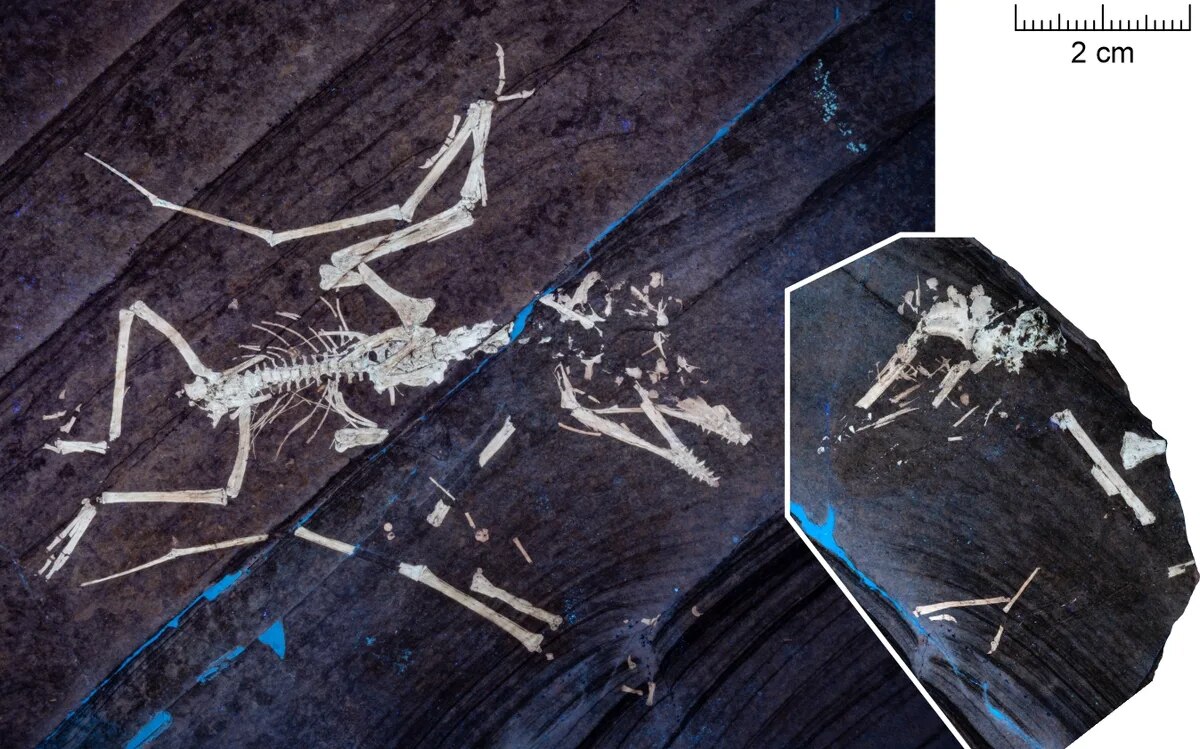
- 7/9
Violent winds fractured their fragile wings mid-air. There was no healing, no survival—just the eerie calm of perfect fossilization. Credit: University of Leicester
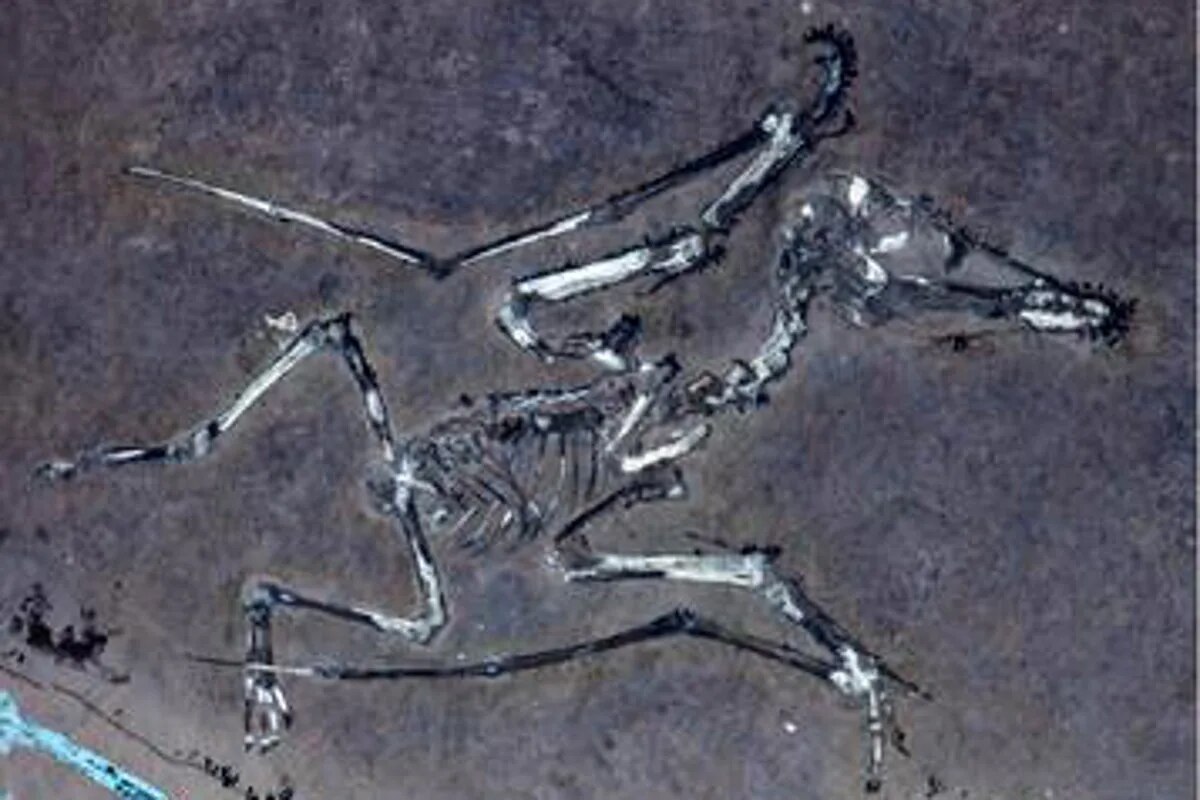
- 8/9
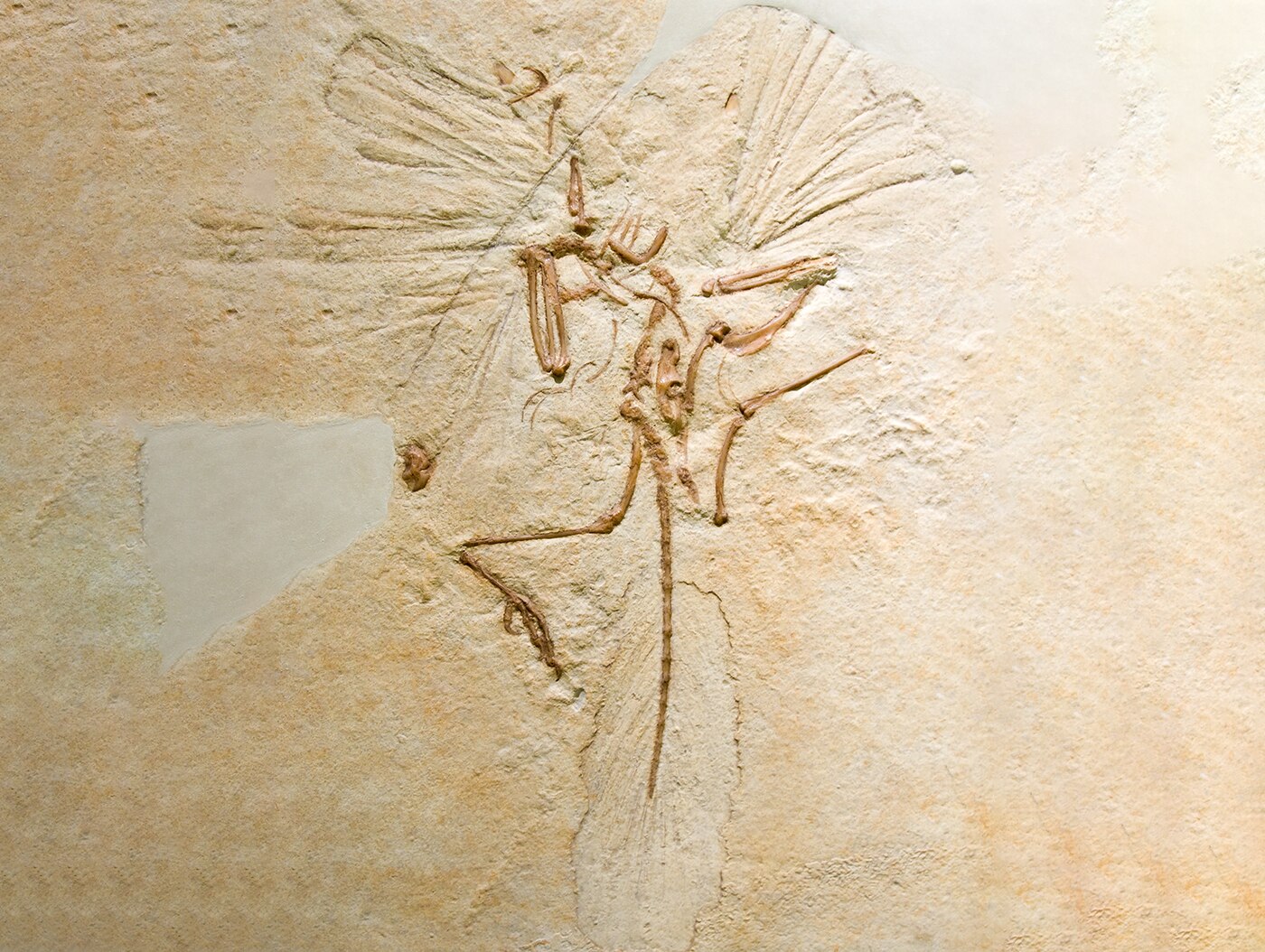
It’s rare to find a fossil mid-disaster. But here, trauma, cause, and consequence are etched into bone like a freeze-frame from the Jurassic.
- 9/9
For years, paleontologists wondered why Solnhofen held only the young. Now we know: the adults survived, the juveniles didn’t. Storms told the story.