
A 4,410 kg satellite, one massive rocket, and zero foreign help: ISRO’s epic launch today
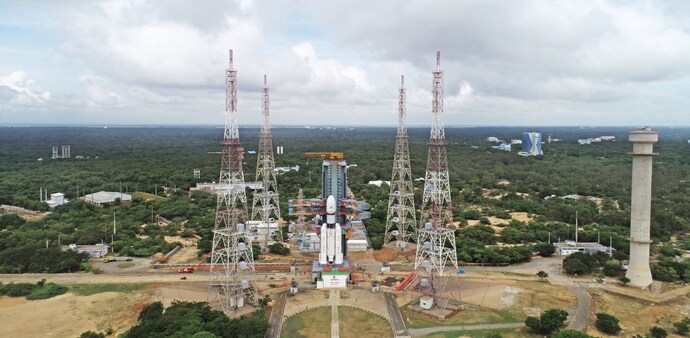
CMS-03, a multiband communication satellite, will be placed in an elliptical orbit that stretches from 170 km to nearly 30,000 km above Earth. The LVM3 rocket, previously called GSLV Mk 3, is built to carry up to 8,000 kg to low earth orbit and up to 4,000 kg to GTO.
- Nov 2, 2025,
- Updated Nov 2, 2025 7:44 AM IST
ISRO will launch its heaviest satellite yet from Indian soil on Sunday evening, marking a major leap in India’s space ambitions with the deployment of the 4,410 kg CMS-03 aboard its most powerful rocket, LVM3.
This launch, ISRO’s first in three months, signals a turning point for India’s space program. For the first time, the agency will place a satellite heavier than 4,000 kg into geosynchronous transfer orbit using an Indian launcher. Until now, such missions relied on foreign rockets from agencies like Arianespace and SpaceX.
CMS-03, a multiband communication satellite, will be placed in an elliptical orbit that stretches from 170 km to nearly 30,000 km above Earth. The LVM3 rocket, previously called GSLV Mk 3, is built to carry up to 8,000 kg to low earth orbit and up to 4,000 kg to GTO.
To accommodate the heavier payload, ISRO slightly lowered the transfer orbit’s peak altitude. The launch also tests the LVM3’s readiness for upcoming human spaceflight under the Gaganyaan program.
“The OneWeb missions showed the rocket’s versatility when it lifted over 5,700 kg to low earth orbit,” an ISRO official said. Previous satellites like GSAT-11 and GSAT-24, both weighing over 4,000 kg, were launched using foreign providers.
To enhance future performance, ISRO is upgrading the LVM3. A new C32 cryogenic stage with 32,000 kg of fuel and 22 tonnes of thrust is in development to replace the current C25 stage. The agency is also designing a semi-cryogenic second stage powered by refined kerosene and liquid oxygen, aimed at boosting payload capacity and lowering costs.
These changes could enable the rocket to carry up to 10,000 kg to low earth orbit. That would support missions such as deploying the first module of India’s planned space station. For more ambitious goals like sending humans to the Moon, ISRO is designing a new Lunar Module Launch Vehicle with an 80,000 kg payload capacity.
The LVM3 has completed seven missions with a perfect success rate. It previously launched Chandrayaan-2 and Chandrayaan-3, as well as the crew module for ISRO’s first re-entry test in 2014.
ISRO will launch its heaviest satellite yet from Indian soil on Sunday evening, marking a major leap in India’s space ambitions with the deployment of the 4,410 kg CMS-03 aboard its most powerful rocket, LVM3.
This launch, ISRO’s first in three months, signals a turning point for India’s space program. For the first time, the agency will place a satellite heavier than 4,000 kg into geosynchronous transfer orbit using an Indian launcher. Until now, such missions relied on foreign rockets from agencies like Arianespace and SpaceX.
CMS-03, a multiband communication satellite, will be placed in an elliptical orbit that stretches from 170 km to nearly 30,000 km above Earth. The LVM3 rocket, previously called GSLV Mk 3, is built to carry up to 8,000 kg to low earth orbit and up to 4,000 kg to GTO.
To accommodate the heavier payload, ISRO slightly lowered the transfer orbit’s peak altitude. The launch also tests the LVM3’s readiness for upcoming human spaceflight under the Gaganyaan program.
“The OneWeb missions showed the rocket’s versatility when it lifted over 5,700 kg to low earth orbit,” an ISRO official said. Previous satellites like GSAT-11 and GSAT-24, both weighing over 4,000 kg, were launched using foreign providers.
To enhance future performance, ISRO is upgrading the LVM3. A new C32 cryogenic stage with 32,000 kg of fuel and 22 tonnes of thrust is in development to replace the current C25 stage. The agency is also designing a semi-cryogenic second stage powered by refined kerosene and liquid oxygen, aimed at boosting payload capacity and lowering costs.
These changes could enable the rocket to carry up to 10,000 kg to low earth orbit. That would support missions such as deploying the first module of India’s planned space station. For more ambitious goals like sending humans to the Moon, ISRO is designing a new Lunar Module Launch Vehicle with an 80,000 kg payload capacity.
The LVM3 has completed seven missions with a perfect success rate. It previously launched Chandrayaan-2 and Chandrayaan-3, as well as the crew module for ISRO’s first re-entry test in 2014.