
Lunar Eclipse 2025: What really happens on Sept 7 vs what the myths want you to believe
Across cultures, lunar eclipses are linked with superstition. But modern science shows there’s no evidence to support these beliefs.
- Sep 7, 2025,
- Updated Sep 7, 2025 10:23 AM IST
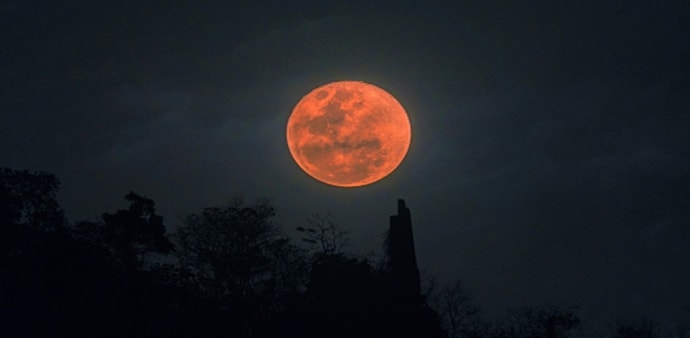
On September 7, the year’s second-to-last lunar eclipse will take place. It will begin at 9:58 PM IST and end at 1:26 AM. While a spectacular celestial event, lunar eclipses have long been surrounded by myths — most of which science firmly rejects.
Across cultures, lunar eclipses are linked with superstition. But modern science shows there’s no evidence to support these beliefs.
Myth: If a pregnant woman steps outside during the eclipse, the child will have scars or birthmarks. Science: No scientific proof supports this. A child’s physical features are determined by DNA and fetal development, not eclipses.
Myth: Cooking or eating food during the eclipse makes it poisonous. Science: Eclipses don’t affect food. In earlier times, without refrigeration, food spoiled quickly, leading to such beliefs.
Myth: Watching a lunar eclipse harms the eyes. Science: Solar eclipses can damage eyesight without protection, but lunar eclipses are completely safe to watch with the naked eye.
Myth: Water and plants become contaminated during an eclipse. Science: There’s no impact on water or plants. This is purely superstition.
Myth: Skipping rituals or baths during an eclipse brings sin. Science: These are religious traditions; science finds no link between eclipses and human actions.
Myth: Eclipses trigger natural disasters like earthquakes or floods. Science: Eclipses are simply celestial alignments of the Sun, Earth, and Moon, unrelated to natural disasters.
Myth: Eclipses harm human health. Science: No evidence supports this. If people feel unwell, it’s often due to fear or belief — a placebo effect.
In essence, a lunar eclipse is nothing more than the Earth’s shadow falling on the Moon — breathtaking to watch, but harmless to health, food, or daily life.
On September 7, the year’s second-to-last lunar eclipse will take place. It will begin at 9:58 PM IST and end at 1:26 AM. While a spectacular celestial event, lunar eclipses have long been surrounded by myths — most of which science firmly rejects.
Across cultures, lunar eclipses are linked with superstition. But modern science shows there’s no evidence to support these beliefs.
Myth: If a pregnant woman steps outside during the eclipse, the child will have scars or birthmarks. Science: No scientific proof supports this. A child’s physical features are determined by DNA and fetal development, not eclipses.
Myth: Cooking or eating food during the eclipse makes it poisonous. Science: Eclipses don’t affect food. In earlier times, without refrigeration, food spoiled quickly, leading to such beliefs.
Myth: Watching a lunar eclipse harms the eyes. Science: Solar eclipses can damage eyesight without protection, but lunar eclipses are completely safe to watch with the naked eye.
Myth: Water and plants become contaminated during an eclipse. Science: There’s no impact on water or plants. This is purely superstition.
Myth: Skipping rituals or baths during an eclipse brings sin. Science: These are religious traditions; science finds no link between eclipses and human actions.
Myth: Eclipses trigger natural disasters like earthquakes or floods. Science: Eclipses are simply celestial alignments of the Sun, Earth, and Moon, unrelated to natural disasters.
Myth: Eclipses harm human health. Science: No evidence supports this. If people feel unwell, it’s often due to fear or belief — a placebo effect.
In essence, a lunar eclipse is nothing more than the Earth’s shadow falling on the Moon — breathtaking to watch, but harmless to health, food, or daily life.