
Promising leap for cancer therapies: Gene-editing breakthrough rewires T cells to attack tumors safely
T cell-based immunotherapy, a form of cancer treatment, harnesses a patient’s own T cells — white blood cells that help fight disease — by modifying or enhancing them to target and destroy cancer cells.
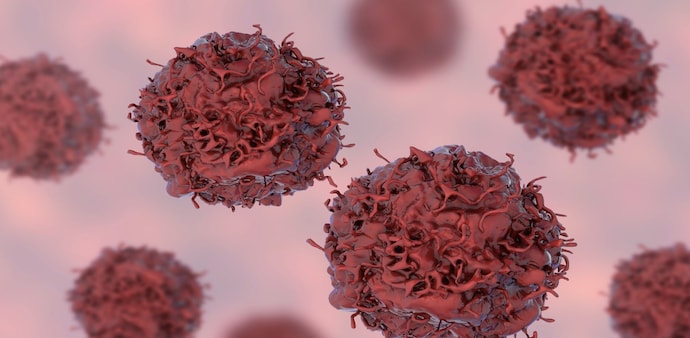
- Jul 11, 2025,
- Updated Jul 11, 2025 6:06 PM IST
Researchers have developed a new gene-editing platform that could make T cell–based immunotherapies safer and more effective for treating cancer.
Dr Jesse Armitage, from The University of Western Australia’s Medical School and The Kids Research Institute Australia, collaborated with scientists from The University of Melbourne and Peter MacCallum Cancer Center on the study published in Nature.
T cell-based immunotherapy, a form of cancer treatment, harnesses a patient’s own T cells — white blood cells that help fight disease — by modifying or enhancing them to target and destroy cancer cells.
“T cell-based immunotherapies for the treatment of solid tumors remain largely ineffective in clinical settings,” Dr Armitage said.
One strategy to improve their effectiveness has involved engineering “armored” T cells that produce compounds to boost anti-cancer immune responses. But uncontrolled release of these compounds can cause toxic side effects, limiting clinical use.
To solve this problem, researchers developed a gene-editing platform that ensures these compounds are released only at the tumor site.
“We can rewire the immune cells to only produce these compounds once inside the tumor, minimising side-effects in other parts of the body,” Dr Armitage said told phys.org.
“This is a significant breakthrough that will pave the way for the development of new T cell-based immunotherapies against solid tumors such as sarcomas, carcinomas and lymphomas. Our approach brings the field closer to delivering more effective and safer treatments — ultimately improving outcomes and quality of care for people living with cancer,” she added.
Researchers have developed a new gene-editing platform that could make T cell–based immunotherapies safer and more effective for treating cancer.
Dr Jesse Armitage, from The University of Western Australia’s Medical School and The Kids Research Institute Australia, collaborated with scientists from The University of Melbourne and Peter MacCallum Cancer Center on the study published in Nature.
T cell-based immunotherapy, a form of cancer treatment, harnesses a patient’s own T cells — white blood cells that help fight disease — by modifying or enhancing them to target and destroy cancer cells.
“T cell-based immunotherapies for the treatment of solid tumors remain largely ineffective in clinical settings,” Dr Armitage said.
One strategy to improve their effectiveness has involved engineering “armored” T cells that produce compounds to boost anti-cancer immune responses. But uncontrolled release of these compounds can cause toxic side effects, limiting clinical use.
To solve this problem, researchers developed a gene-editing platform that ensures these compounds are released only at the tumor site.
“We can rewire the immune cells to only produce these compounds once inside the tumor, minimising side-effects in other parts of the body,” Dr Armitage said told phys.org.
“This is a significant breakthrough that will pave the way for the development of new T cell-based immunotherapies against solid tumors such as sarcomas, carcinomas and lymphomas. Our approach brings the field closer to delivering more effective and safer treatments — ultimately improving outcomes and quality of care for people living with cancer,” she added.