
Weight-loss drugs to gene editors: 5 ground-breaking scientific discoveries tipped for Nobel glory in 2026
These breakthroughs did not merely push boundaries in laboratories — they fundamentally reshaped global medicine and basic science.
- Oct 2, 2026,
- Updated Oct 2, 2026 10:40 AM IST
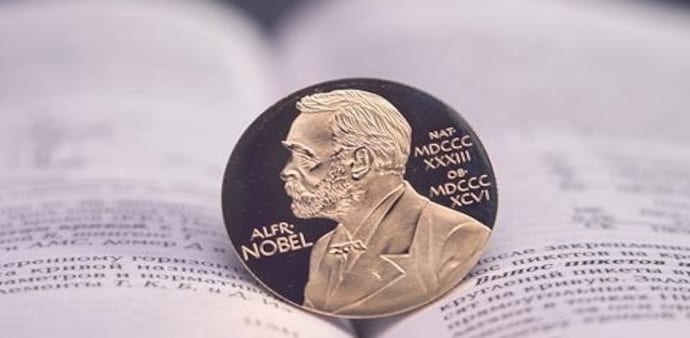
As Stockholm prepares for the annual announcement of the world's most prestigious Nobel Prize 2026 honors between October 5 and 12, the international research community is zeroing in on a handful of transformative advances.
From weight-loss molecules that redefined metabolic health to living cell therapies engineered to destroy tumors, these breakthroughs did not merely push boundaries in laboratories — they fundamentally reshaped global medicine and basic science.
GLP-1 revolution: Tackling global metabolic disease
At the top of nearly every prediction list is the development of glucagon-like peptide-1 (GLP-1) receptor agonists. Pioneered through decades of work by endocrinologist John Eng, pharmaceutical researcher Lotte Bjerre Knudsen, and researchers Svetlana Mojsov, Jens Juul Holst, and Daniel Drucker, the discovery transformed GLP-1 from a niche intestinal hormone into a blockbuster therapeutic framework.
Originally aimed at managing Type 2 diabetes, GLP-1 therapeutics have dramatically altered treatment paradigms for global obesity, showing unexpected secondary benefits in cardiovascular and kidney health.
CAR-T cell therapy: Living drugs in the fight against cancer
In Physiology or Medicine, immunologist Carl June remains a standout contender for his role in developing chimeric antigen receptor (CAR) T-cell therapy. By genetically reprogramming a patient's own T cells to identify and attack cancer cells, June transformed once-fatal blood cancers into manageable or treatable conditions.
MUST READ | Nobel Prize 2026 winners: Stage set for announcements from October 5. Check details
The breakthrough proved that "living drugs" could operate effectively inside the human immune system, laying the groundwork for a broader revolution in cellular immunotherapy.
Precision gene editing: Prime and base editing beyond CRISPR
While the Nobel Committee recognized basic CRISPR-Cas9 technology in 2020, researchers such as Harvard biochemist David Liu have taken the field much further. Liu's development of base editing and prime editing allows scientists to make single-letter DNA corrections without cutting both strands of the double helix.
By dramatically lowering the risk of unintended genetic mutations, these novel tools have enabled clinical trials for inherited blood disorders, blindness, and neurodegenerative conditions.
Unlocking the brain's wakefulness switch: Orexin and narcolepsy
Researchers Emmanuel Mignot and Masashi Yanagisawa have emerged as leading candidates for unlocking the chemical circuitry of sleep regulation. Yanagisawa’s initial identification of orexin (hypocretin) peptides paired with Mignot’s discovery that a lack of orexin signaling triggers narcolepsy solved a long-standing neurological mystery.
Their fundamental findings have already fueled a new class of targeted treatments for sleep disorders and insomnia.
Non-invasive medical imaging: Optical coherence tomography (OCT)
Beyond molecular therapeutics, physical diagnostic technologies are also in the spotlight. James Fujimoto, David Huang, and Eric Swanson are widely tipped for inventing optical coherence tomography (OCT).
Using light waves to capture micrometer-resolution, cross-sectional images of living tissue, OCT has become an indispensable clinical standard in ophthalmology, preventing millions of cases of blindness worldwide by diagnosing retinal diseases at their earliest stages.
As Stockholm prepares for the annual announcement of the world's most prestigious Nobel Prize 2026 honors between October 5 and 12, the international research community is zeroing in on a handful of transformative advances.
From weight-loss molecules that redefined metabolic health to living cell therapies engineered to destroy tumors, these breakthroughs did not merely push boundaries in laboratories — they fundamentally reshaped global medicine and basic science.
GLP-1 revolution: Tackling global metabolic disease
At the top of nearly every prediction list is the development of glucagon-like peptide-1 (GLP-1) receptor agonists. Pioneered through decades of work by endocrinologist John Eng, pharmaceutical researcher Lotte Bjerre Knudsen, and researchers Svetlana Mojsov, Jens Juul Holst, and Daniel Drucker, the discovery transformed GLP-1 from a niche intestinal hormone into a blockbuster therapeutic framework.
Originally aimed at managing Type 2 diabetes, GLP-1 therapeutics have dramatically altered treatment paradigms for global obesity, showing unexpected secondary benefits in cardiovascular and kidney health.
CAR-T cell therapy: Living drugs in the fight against cancer
In Physiology or Medicine, immunologist Carl June remains a standout contender for his role in developing chimeric antigen receptor (CAR) T-cell therapy. By genetically reprogramming a patient's own T cells to identify and attack cancer cells, June transformed once-fatal blood cancers into manageable or treatable conditions.
MUST READ | Nobel Prize 2026 winners: Stage set for announcements from October 5. Check details
The breakthrough proved that "living drugs" could operate effectively inside the human immune system, laying the groundwork for a broader revolution in cellular immunotherapy.
Precision gene editing: Prime and base editing beyond CRISPR
While the Nobel Committee recognized basic CRISPR-Cas9 technology in 2020, researchers such as Harvard biochemist David Liu have taken the field much further. Liu's development of base editing and prime editing allows scientists to make single-letter DNA corrections without cutting both strands of the double helix.
By dramatically lowering the risk of unintended genetic mutations, these novel tools have enabled clinical trials for inherited blood disorders, blindness, and neurodegenerative conditions.
Unlocking the brain's wakefulness switch: Orexin and narcolepsy
Researchers Emmanuel Mignot and Masashi Yanagisawa have emerged as leading candidates for unlocking the chemical circuitry of sleep regulation. Yanagisawa’s initial identification of orexin (hypocretin) peptides paired with Mignot’s discovery that a lack of orexin signaling triggers narcolepsy solved a long-standing neurological mystery.
Their fundamental findings have already fueled a new class of targeted treatments for sleep disorders and insomnia.
Non-invasive medical imaging: Optical coherence tomography (OCT)
Beyond molecular therapeutics, physical diagnostic technologies are also in the spotlight. James Fujimoto, David Huang, and Eric Swanson are widely tipped for inventing optical coherence tomography (OCT).
Using light waves to capture micrometer-resolution, cross-sectional images of living tissue, OCT has become an indispensable clinical standard in ophthalmology, preventing millions of cases of blindness worldwide by diagnosing retinal diseases at their earliest stages.