
WHO declares Ebola emergency: How safe is India from the latest outbreak?
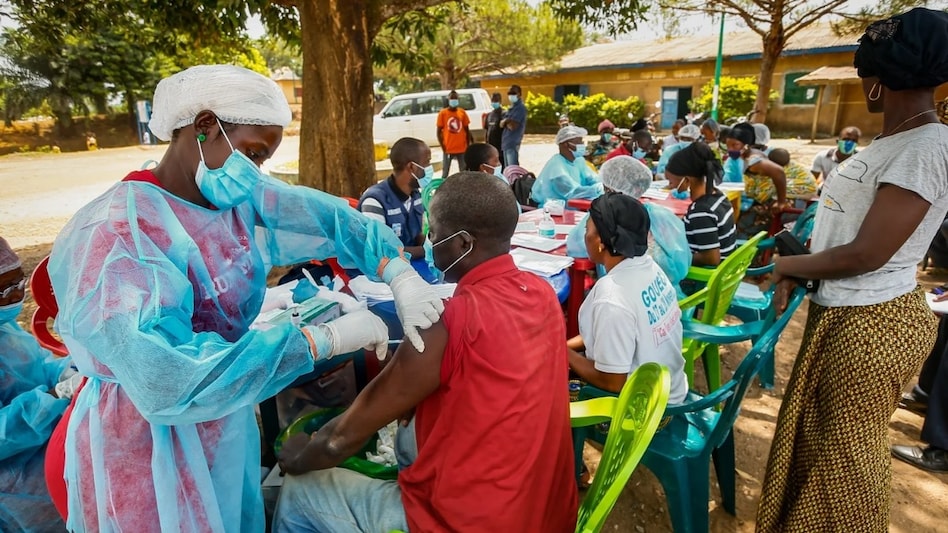
According to WHO data, more than 240 suspected cases and around 80 deaths have been reported so far in Congo’s Ituri province, with confirmed cases also detected in Uganda’s capital Kampala.
- May 17, 2026,
- Updated May 17, 2026 4:39 PM IST
The World Health Organization has declared the ongoing Ebola outbreak in the Democratic Republic of Congo (DRC) and Uganda a “Public Health Emergency of International Concern” (PHEIC), triggering global attention over the spread of the rare Bundibugyo strain of the virus. The outbreak has already led to dozens of deaths and hundreds of suspected cases in Central Africa.
Health authorities, however, have clarified that the situation does not currently meet the criteria of a pandemic emergency similar to Covid-19. Still, the WHO’s warning has raised questions worldwide, including in India, about the risks posed by the outbreak and the country’s preparedness.
Why has WHO declared an Ebola emergency?
The WHO elevated the outbreak to the highest level of international health alert after cases spread across multiple regions in the DRC and into neighboring Uganda. Officials say the outbreak involves the Bundibugyo strain of Ebola — a relatively rare variant for which there are no approved vaccines or targeted treatments yet.
According to WHO data, more than 240 suspected cases and around 80 deaths have been reported so far in Congo’s Ituri province, with confirmed cases also detected in Uganda’s capital Kampala. The agency warned that the true scale of the outbreak could be larger than currently reported due to weak surveillance and conflict-hit regions in eastern Congo.
The declaration is aimed at mobilizing international funding, strengthening border surveillance, and improving coordination among countries to prevent cross-border spread.
What are the symptoms of Ebola virus disease?
Ebola is a severe and often fatal viral disease that spreads through direct contact with bodily fluids such as blood, vomit, saliva, sweat, or semen from an infected person. It can also spread through contaminated surfaces or infected animals.
Common symptoms include:
- Sudden fever
- Severe headache
- Muscle pain and weakness
- Sore throat
- Vomiting and diarrhea
- Skin rash
- Internal or external bleeding in severe cases
Symptoms can appear anywhere between two and 21 days after exposure. The disease has historically recorded high fatality rates, depending on the strain and quality of medical care available.
Can the Ebola outbreak affect India?
At present, there is no reported Ebola case in India linked to the current outbreak. Public health experts say the immediate risk to India remains low, but authorities are likely to keep airport and travel surveillance systems on alert, especially for international passengers arriving from affected African regions.
India has handled Ebola-related preparedness measures in the past through thermal screening, isolation protocols, and coordination with global health agencies. Experts note that Ebola is not easily transmissible as airborne viruses like Covid-19 because it primarily spreads through direct physical contact with infected bodily fluids.
However, global air travel means countries cannot completely rule out imported cases. The WHO has advised nations to strengthen surveillance, testing, and rapid response systems rather than impose blanket travel bans.
How does Ebola spread among people?
Ebola spreads through direct contact with bodily fluids of infected people or contaminated objects. It can also spread during unsafe burial practices and through contact with infected animals. It is not known to spread through casual airborne transmission like influenza or Covid-19.
The World Health Organization has declared the ongoing Ebola outbreak in the Democratic Republic of Congo (DRC) and Uganda a “Public Health Emergency of International Concern” (PHEIC), triggering global attention over the spread of the rare Bundibugyo strain of the virus. The outbreak has already led to dozens of deaths and hundreds of suspected cases in Central Africa.
Health authorities, however, have clarified that the situation does not currently meet the criteria of a pandemic emergency similar to Covid-19. Still, the WHO’s warning has raised questions worldwide, including in India, about the risks posed by the outbreak and the country’s preparedness.
Why has WHO declared an Ebola emergency?
The WHO elevated the outbreak to the highest level of international health alert after cases spread across multiple regions in the DRC and into neighboring Uganda. Officials say the outbreak involves the Bundibugyo strain of Ebola — a relatively rare variant for which there are no approved vaccines or targeted treatments yet.
According to WHO data, more than 240 suspected cases and around 80 deaths have been reported so far in Congo’s Ituri province, with confirmed cases also detected in Uganda’s capital Kampala. The agency warned that the true scale of the outbreak could be larger than currently reported due to weak surveillance and conflict-hit regions in eastern Congo.
The declaration is aimed at mobilizing international funding, strengthening border surveillance, and improving coordination among countries to prevent cross-border spread.
What are the symptoms of Ebola virus disease?
Ebola is a severe and often fatal viral disease that spreads through direct contact with bodily fluids such as blood, vomit, saliva, sweat, or semen from an infected person. It can also spread through contaminated surfaces or infected animals.
Common symptoms include:
- Sudden fever
- Severe headache
- Muscle pain and weakness
- Sore throat
- Vomiting and diarrhea
- Skin rash
- Internal or external bleeding in severe cases
Symptoms can appear anywhere between two and 21 days after exposure. The disease has historically recorded high fatality rates, depending on the strain and quality of medical care available.
Can the Ebola outbreak affect India?
At present, there is no reported Ebola case in India linked to the current outbreak. Public health experts say the immediate risk to India remains low, but authorities are likely to keep airport and travel surveillance systems on alert, especially for international passengers arriving from affected African regions.
India has handled Ebola-related preparedness measures in the past through thermal screening, isolation protocols, and coordination with global health agencies. Experts note that Ebola is not easily transmissible as airborne viruses like Covid-19 because it primarily spreads through direct physical contact with infected bodily fluids.
However, global air travel means countries cannot completely rule out imported cases. The WHO has advised nations to strengthen surveillance, testing, and rapid response systems rather than impose blanket travel bans.
How does Ebola spread among people?
Ebola spreads through direct contact with bodily fluids of infected people or contaminated objects. It can also spread during unsafe burial practices and through contact with infected animals. It is not known to spread through casual airborne transmission like influenza or Covid-19.