
OpenAI Pentagon deal triggers backlash; 1.5 million users sign up to quit ChatGPT
The decision came just hours after rival AI company Anthropic withdrew from a similar deal.
- Mar 4, 2026,
- Updated Mar 4, 2026 8:22 PM IST
Around 1.5 million people have signed up to leave ChatGPT following a controversy over OpenAI’s agreement to provide artificial intelligence technology to the US Department of Defense, according to The Times.
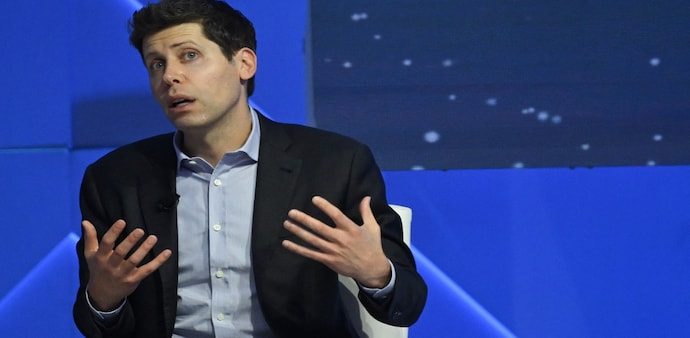
OpenAI chief executive Sam Altman announced that the company had agreed to supply AI systems for use in the Pentagon’s classified operations. The decision came just hours after rival AI company Anthropic withdrew from a similar deal.
Anthropic’s CEO Dario Amodei had earlier said the company would not allow its technology to be used for domestic surveillance of Americans or for autonomous weapons.
After OpenAI moved ahead with the deal, the issue triggered strong criticism from users and some staff members.
In response, a “Quit GPT” campaign began online, and about 1.5 million people reportedly signed up to support it. ChatGPT currently has around 900 million weekly users. During the controversy, Anthropic’s AI app Claude climbed to the top of download charts.
On Monday, Altman posted a message on X, saying the company was updating the agreement with the Pentagon to ensure its AI models are not used for domestic surveillance or by the National Security Agency.
He also admitted that the company could have handled the announcement better.
“One thing I think I did wrong: we shouldn’t have rushed to get this out on Friday. The issues are super complex and demand clear communication. We were genuinely trying to de-escalate things and avoid a much worse outcome, but I think it just looked opportunistic and sloppy. Good learning experience for me as we face higher-stakes decisions in the future,” Altman said.
Altman also said it was wrong for the US Department of Defense to block Anthropic from government contracts during the dispute.
The controversy has raised broader questions about who should control powerful AI systems — private companies or governments. Altman said OpenAI wants to work through democratic processes and remain involved in discussions about AI policy.
The Department of Defense defended its decision, saying it is open to reasonable discussions and accused Anthropic of refusing cooperation. Meanwhile, Anthropic said it plans to legally challenge the decision to classify it as a “supply-chain risk”, which could limit its access to government contracts.
Around 1.5 million people have signed up to leave ChatGPT following a controversy over OpenAI’s agreement to provide artificial intelligence technology to the US Department of Defense, according to The Times.
OpenAI chief executive Sam Altman announced that the company had agreed to supply AI systems for use in the Pentagon’s classified operations. The decision came just hours after rival AI company Anthropic withdrew from a similar deal.
Anthropic’s CEO Dario Amodei had earlier said the company would not allow its technology to be used for domestic surveillance of Americans or for autonomous weapons.
After OpenAI moved ahead with the deal, the issue triggered strong criticism from users and some staff members.
In response, a “Quit GPT” campaign began online, and about 1.5 million people reportedly signed up to support it. ChatGPT currently has around 900 million weekly users. During the controversy, Anthropic’s AI app Claude climbed to the top of download charts.
On Monday, Altman posted a message on X, saying the company was updating the agreement with the Pentagon to ensure its AI models are not used for domestic surveillance or by the National Security Agency.
He also admitted that the company could have handled the announcement better.
“One thing I think I did wrong: we shouldn’t have rushed to get this out on Friday. The issues are super complex and demand clear communication. We were genuinely trying to de-escalate things and avoid a much worse outcome, but I think it just looked opportunistic and sloppy. Good learning experience for me as we face higher-stakes decisions in the future,” Altman said.
Altman also said it was wrong for the US Department of Defense to block Anthropic from government contracts during the dispute.
The controversy has raised broader questions about who should control powerful AI systems — private companies or governments. Altman said OpenAI wants to work through democratic processes and remain involved in discussions about AI policy.
The Department of Defense defended its decision, saying it is open to reasonable discussions and accused Anthropic of refusing cooperation. Meanwhile, Anthropic said it plans to legally challenge the decision to classify it as a “supply-chain risk”, which could limit its access to government contracts.