
3 New Codex features that can save you hours of work: Here’s what you need to know
With new updates, Codex can now act more like a hands-on assistant on your computer, work across multiple apps, and more.
- Apr 17, 2026,
- Updated Apr 17, 2026 5:33 PM IST
OpenAI, on April 16, announced several new updates to its AI coding platform, Codex, to bring efficiency across the entire software development lifecycle. With new updates, Codex can now act more like a hands-on assistant on your computer, work across multiple apps and tools you already use, remember your preferences, and much more. Check out these 3 impressive features on Codex that can simplify your workflow:
Background computer use on macOS
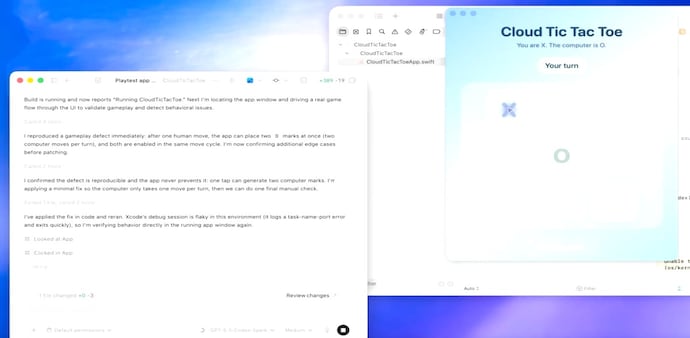
Codex can NOW actively use your computer in the background to perform tasks on your behalf. It can see what’s on your screen, click buttons and navigate between apps, and even type using its own cursor.
In addition, multiple agents can now function on Macs, allowing Codex to run several tasks like testing an app, organising files, and running background workflows all at the same time. OpenAI also says it runs in the background “without interfering with your own work in other apps.”
Codex in-app browser
OpenAI, in the blog post, revealed that Codex now has its own built-in browser that can directly open and interact with web pages natively rather than relying on external tools or integrations. You simply have to comment directly on specific elements within a webpage to provide more precise, context-aware instructions to the AI agent.
OpenAI says that it works best for frontend development, like UI changes or layout fixes. It can also help you in game development.
Memory feature on Codex
OpenAI has also released the Memory feature in Codex, providing a more personalised and proactive experience. This feature will remember your preferences, corrections you’ve made before, and context or information from past work. In addition, Codex will also suggest what to work on next, help you resume unfinished tasks, and recommend how to start your day. All this data will be collected from active projects, tools like Google Docs, Slack, Notion, codebase and past activity.
For Unparalleled coverage of India's Businesses and Economy – Subscribe to Business Today Magazine
OpenAI, on April 16, announced several new updates to its AI coding platform, Codex, to bring efficiency across the entire software development lifecycle. With new updates, Codex can now act more like a hands-on assistant on your computer, work across multiple apps and tools you already use, remember your preferences, and much more. Check out these 3 impressive features on Codex that can simplify your workflow:
Background computer use on macOS
Codex can NOW actively use your computer in the background to perform tasks on your behalf. It can see what’s on your screen, click buttons and navigate between apps, and even type using its own cursor.
In addition, multiple agents can now function on Macs, allowing Codex to run several tasks like testing an app, organising files, and running background workflows all at the same time. OpenAI also says it runs in the background “without interfering with your own work in other apps.”
Codex in-app browser
OpenAI, in the blog post, revealed that Codex now has its own built-in browser that can directly open and interact with web pages natively rather than relying on external tools or integrations. You simply have to comment directly on specific elements within a webpage to provide more precise, context-aware instructions to the AI agent.
OpenAI says that it works best for frontend development, like UI changes or layout fixes. It can also help you in game development.
Memory feature on Codex
OpenAI has also released the Memory feature in Codex, providing a more personalised and proactive experience. This feature will remember your preferences, corrections you’ve made before, and context or information from past work. In addition, Codex will also suggest what to work on next, help you resume unfinished tasks, and recommend how to start your day. All this data will be collected from active projects, tools like Google Docs, Slack, Notion, codebase and past activity.
For Unparalleled coverage of India's Businesses and Economy – Subscribe to Business Today Magazine