
The shocking math: How small lifestyle tweaks could prevent millions of dementia cases
Small lifestyle changes—exercise, healthy eating, and social connections—could prevent millions of dementia cases, reshaping brain health and easing caregiver burdens.
- Sep 22, 2025,
- Updated Sep 22, 2025 3:17 PM IST

- 1/9
Alzheimer’s deaths have surged by more than 140% in two decades, even as heart disease mortality plummeted. Researchers warn this isn’t just biology—it’s a looming public health disaster we’re sleepwalking into.

- 2/9
Sedentary routines, processed diets, and unchecked stress don’t just harm the waistline—they slowly erode memory and decision-making power, setting the stage for dementia years before symptoms show.

- 3/9
About 45% of dementia risk stems from factors we can actually change. Translation: millions of potential cases could be delayed—or prevented—if Americans made even modest lifestyle shifts.

- 4/9
Exercise isn’t just cardio—it’s cognitive insurance. Boosting levels of BDNF, the brain’s growth fertilizer, workouts help build new neurons and keep memory centers firing longer.

- 5/9
Mediterranean-style eating isn’t trendy fluff; it’s neuroprotection. By reducing inflammation and stabilizing blood sugar, these foods give the brain cleaner fuel and shield against cognitive decline.

- 6/9
Social isolation doesn’t just feel bleak—it accelerates dementia. Brain scans show lonely adults suffer faster shrinkage in critical memory regions, a cost hidden behind closed doors.
- 7/9
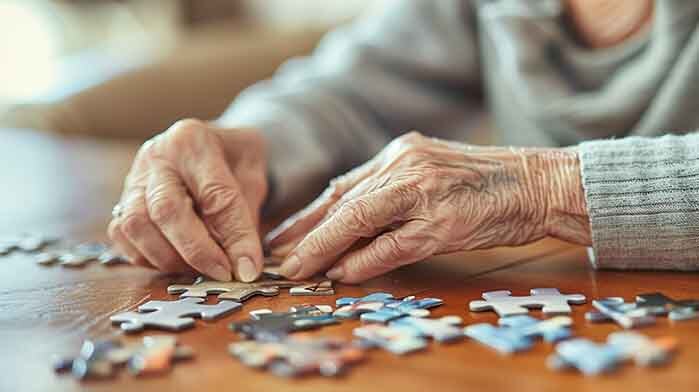
Finland’s landmark FINGER trial and America’s POINTER study converge on the same revelation: stacked habits—diet, exercise, social engagement—beat any single fix in slowing cognitive decline.

- 8/9
Families already provide millions of unpaid care hours. Without prevention, the emotional and financial weight could double by 2060, reshaping households and straining the health system.

- 9/9
The prescription isn’t expensive drugs but accessible routines—walks, vegetables, friendships, mental challenges. Experts estimate trimming dementia risks by 10–20% per decade could prevent 15% of future cases.