
Economic Survey 2025-26: India’s clean energy push has crossed a critical milestone
India’s clean energy strategy is also expanding to nuclear, green hydrogen and bioenergy
- Jan 29, 2026,
- Updated Jan 29, 2026 5:19 PM IST
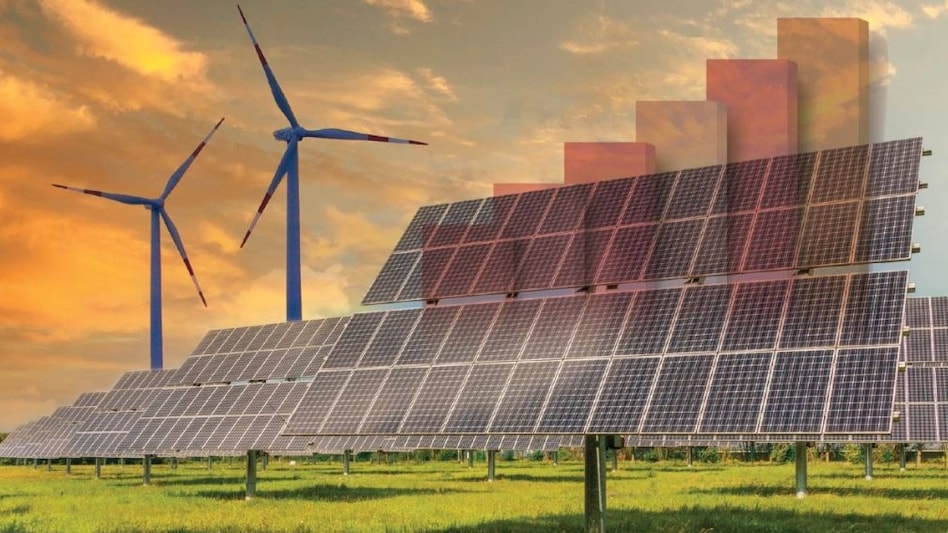
India has crossed the halfway mark in its energy transition with more than half — 51.93% of the country’s installed power capacity now comes from non-fossil fuel sources, beating the 50% target ahead of schedule.
By the numbers
During 2025-26 so far (up to December 2025), India has added 38.61 GW of renewable capacity, led by solar (30.16 GW), followed by wind (4.47 GW), hydro (3.24 GW). Total renewable capacity has more than tripled over the last decade—from 76.38 GW in 2014 to 253.96 GW as of November 2025. The first eight months of FY26 recorded a historic 34.56 GW addition in non-fossil capacity, the highest ever in a single year so far.
Where India stands globally
According to the International Renewable Energy Agency (IRENA), India currently stands fourth globally in total installed renewable energy capacity, after China, the United States and Brazil, underscoring its rising influence in global clean energy markets.
Rapid expansion of solar parks, rooftop solar and wind projects, supported by strong private investment and policy push along with key initiatives including PM Kusum, PM Surya Ghar, CPSU solar programmes, and PLI incentives for domestic solar manufacturing led to the surge.
Beyond solar and wind
India’s clean energy strategy is also expanding to nuclear, green hydrogen and bioenergy. The Nuclear Energy Mission targets 100 GW of nuclear energy capacity by 2047. The National Green Hydrogen Mission aims for 5 million ton of annual production by 2030, with hydrogen hubs at major ports. Bottom line India’s renewable push has reached critical mass but to sustain India’s renewable energy momentum, high capital costs, land acquisition delays, and grid availability need to be addressed.
As per Economic Survey 2025-26, appropriate instruments including innovative financing mechanisms, large-scale integration of Battery Energy Storage Systems (BESS) and Pumped Storage Hydropower (PSP) can address the inherent variability of renewables, ensure grid stability and peak-load management, and enable reliable, large-scale adoption of renewable energy.
India has crossed the halfway mark in its energy transition with more than half — 51.93% of the country’s installed power capacity now comes from non-fossil fuel sources, beating the 50% target ahead of schedule.
By the numbers
During 2025-26 so far (up to December 2025), India has added 38.61 GW of renewable capacity, led by solar (30.16 GW), followed by wind (4.47 GW), hydro (3.24 GW). Total renewable capacity has more than tripled over the last decade—from 76.38 GW in 2014 to 253.96 GW as of November 2025. The first eight months of FY26 recorded a historic 34.56 GW addition in non-fossil capacity, the highest ever in a single year so far.
Where India stands globally
According to the International Renewable Energy Agency (IRENA), India currently stands fourth globally in total installed renewable energy capacity, after China, the United States and Brazil, underscoring its rising influence in global clean energy markets.
Rapid expansion of solar parks, rooftop solar and wind projects, supported by strong private investment and policy push along with key initiatives including PM Kusum, PM Surya Ghar, CPSU solar programmes, and PLI incentives for domestic solar manufacturing led to the surge.
Beyond solar and wind
India’s clean energy strategy is also expanding to nuclear, green hydrogen and bioenergy. The Nuclear Energy Mission targets 100 GW of nuclear energy capacity by 2047. The National Green Hydrogen Mission aims for 5 million ton of annual production by 2030, with hydrogen hubs at major ports. Bottom line India’s renewable push has reached critical mass but to sustain India’s renewable energy momentum, high capital costs, land acquisition delays, and grid availability need to be addressed.
As per Economic Survey 2025-26, appropriate instruments including innovative financing mechanisms, large-scale integration of Battery Energy Storage Systems (BESS) and Pumped Storage Hydropower (PSP) can address the inherent variability of renewables, ensure grid stability and peak-load management, and enable reliable, large-scale adoption of renewable energy.