
Budget 2024: Promoting domestic destinations, investments, more Vande Bharat routes among expectations of travel industry
Budget 2024 expectations: Thomas Cook India Executive Chairman, Madhavan Menon, highlighted the importance of the government’s focus on infrastructure with the setting up of new airports, expansion in rail, road and waterways, as well as development of high-growth areas such as religious circuits and underleveraged hidden gems, such as Lakshadweep.
- Jan 31, 2024,
- Updated Jan 31, 2024 12:10 PM IST
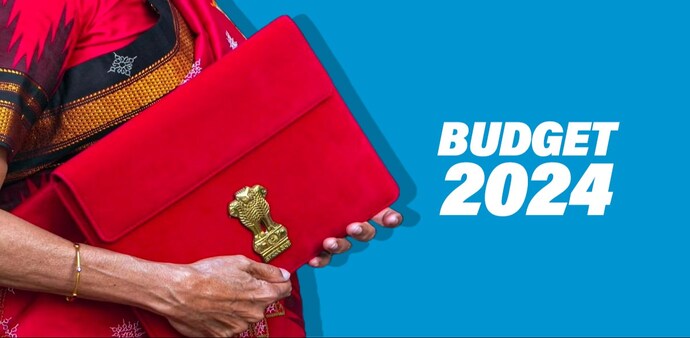
Interim Budget 2024: In order to boost domestic tourism, the travel and hospitality sector is expecting Finance Minister Nirmala Sitharaman, who will present the Interim Budget on February 1, to focus on boosting investments, enhancing infrastructure and relaxing visa norms for foreign tourists.
Vishal Suri, Managing Director, SOTC Travel said that they are advocating for a multi-pronged approach. Suri said that the government should coalesce the TCS rate on outbound tours into a single 5 per cent slab to reduce the advantage enjoyed by international rivals, remove deterrent to technology that comes in the form of the current TDS levied on automated bookings, expedite infra development such as the Udan Yojana and Vande Bharat routes, enhance connectivity to remote but viable tourism areas, and incentivise sustainable travel and tourism.
Thomas Cook India Executive Chairman, Madhavan Menon, underscored the travel and tourism sector’s impact across its allied sectors, as well as employment generation and foreign exchange receipts. Menon also highlighted the importance of the government’s focus on infrastructure with the setting up of new airports, expansion in rail, road and waterways, as well as development of high-growth areas such as religious circuits and underleveraged hidden gems, such as Lakshadweep. He also emphasised on the focus on inbound tourism.
Reducing income tax levels to provide more disposable income to boost travel and tourism spends, exempting LTA annually, standardising TCS at 5 per cent of foreign travel packages, allowing GST input credit facility, simplifying compliance mechanism in fling GST reports, reconciliations and audits are some of the other requirements of the travel and hospitality sector highlighted by Menon.
Chirag Agarwal, co-founder and CEO of TravClan, said, “India is bestowed with natural resources along with a very rich history. However, a lot of our tourism-friendly locations require proper development and channelisation.” Agarwal said that a lot of investment is required for this development, which the private sector alone might not be able to provide.
“The government should provide financial and policy support - it will improve the scale and pace of development. The government can fast-track development/ investments in airport infrastructure and road connectivity projects. Some of our infrastructure will reach its peak capacity soon. Traveller experience mustn't be impacted as we boost tourism. Additionally, initiatives like Digiyatra are a welcome move by tourists and the industry. It is a global first. The government should continue to adopt & invest in technology that can improve the traveller experience,” said Menon.
Saurabh Gahoi, Vice President, India of Ramee Group of Hotels, said that they are expecting a transformative Budget 2024 targeting skill development. “Along with tax reforms, continued support for infrastructure development, and streamlined regulations to ease the burden on businesses, the industry looks forward to robust financial support, acknowledging the challenges posed by recent global events and focusing on inbound travel.”
Pranav Rungta, co-founder and Director of Nksha Restaurant and Vice President of NRAI Mumbai, said that the restaurant industry, one of the worst hit during the pandemic, has displayed resilience and is on the path to recovery. Rungta said that the key areas of focus include restoration of GST Input Tax Credit, reinstating the Service Export from India scheme, establishing a dedicated food services ministry, reducing GST on eco-friendly materials, addressing GST on commercial rentals, rationalising licences and NOCs, ensuring equitable e-commerce policies, extending operating hours, implementing targeted subsidy schemes for SMEs, and introducing an employee welfare plan.
Balasubramanian A, Vice President, TeamLease Services, batted for promotion of domestic tourism with initiatives such as ‘Swadesh Darshan’ and infrastructure development, simplifying visa processes and targetted marketing campaigns for foreign tourists, supporting MSMEs in the hospitality sector with financial assistance and skill development programmes, and focusing on sustainable tourism by promoting eco-friendly practices and responsible tourism.
Also read: Budget 2024: 6 things taxpayers want FM Sitharaman to include in interim statement
Interim Budget 2024: In order to boost domestic tourism, the travel and hospitality sector is expecting Finance Minister Nirmala Sitharaman, who will present the Interim Budget on February 1, to focus on boosting investments, enhancing infrastructure and relaxing visa norms for foreign tourists.
Vishal Suri, Managing Director, SOTC Travel said that they are advocating for a multi-pronged approach. Suri said that the government should coalesce the TCS rate on outbound tours into a single 5 per cent slab to reduce the advantage enjoyed by international rivals, remove deterrent to technology that comes in the form of the current TDS levied on automated bookings, expedite infra development such as the Udan Yojana and Vande Bharat routes, enhance connectivity to remote but viable tourism areas, and incentivise sustainable travel and tourism.
Thomas Cook India Executive Chairman, Madhavan Menon, underscored the travel and tourism sector’s impact across its allied sectors, as well as employment generation and foreign exchange receipts. Menon also highlighted the importance of the government’s focus on infrastructure with the setting up of new airports, expansion in rail, road and waterways, as well as development of high-growth areas such as religious circuits and underleveraged hidden gems, such as Lakshadweep. He also emphasised on the focus on inbound tourism.
Reducing income tax levels to provide more disposable income to boost travel and tourism spends, exempting LTA annually, standardising TCS at 5 per cent of foreign travel packages, allowing GST input credit facility, simplifying compliance mechanism in fling GST reports, reconciliations and audits are some of the other requirements of the travel and hospitality sector highlighted by Menon.
Chirag Agarwal, co-founder and CEO of TravClan, said, “India is bestowed with natural resources along with a very rich history. However, a lot of our tourism-friendly locations require proper development and channelisation.” Agarwal said that a lot of investment is required for this development, which the private sector alone might not be able to provide.
“The government should provide financial and policy support - it will improve the scale and pace of development. The government can fast-track development/ investments in airport infrastructure and road connectivity projects. Some of our infrastructure will reach its peak capacity soon. Traveller experience mustn't be impacted as we boost tourism. Additionally, initiatives like Digiyatra are a welcome move by tourists and the industry. It is a global first. The government should continue to adopt & invest in technology that can improve the traveller experience,” said Menon.
Saurabh Gahoi, Vice President, India of Ramee Group of Hotels, said that they are expecting a transformative Budget 2024 targeting skill development. “Along with tax reforms, continued support for infrastructure development, and streamlined regulations to ease the burden on businesses, the industry looks forward to robust financial support, acknowledging the challenges posed by recent global events and focusing on inbound travel.”
Pranav Rungta, co-founder and Director of Nksha Restaurant and Vice President of NRAI Mumbai, said that the restaurant industry, one of the worst hit during the pandemic, has displayed resilience and is on the path to recovery. Rungta said that the key areas of focus include restoration of GST Input Tax Credit, reinstating the Service Export from India scheme, establishing a dedicated food services ministry, reducing GST on eco-friendly materials, addressing GST on commercial rentals, rationalising licences and NOCs, ensuring equitable e-commerce policies, extending operating hours, implementing targeted subsidy schemes for SMEs, and introducing an employee welfare plan.
Balasubramanian A, Vice President, TeamLease Services, batted for promotion of domestic tourism with initiatives such as ‘Swadesh Darshan’ and infrastructure development, simplifying visa processes and targetted marketing campaigns for foreign tourists, supporting MSMEs in the hospitality sector with financial assistance and skill development programmes, and focusing on sustainable tourism by promoting eco-friendly practices and responsible tourism.
Also read: Budget 2024: 6 things taxpayers want FM Sitharaman to include in interim statement