
Budget 2026: From speech to statute: How the Union Budget becomes law
The Budget doesn’t take effect with the Finance Minister’s speech alone. Here’s a step-by-step look at how Parliament debates, scrutinises, and finally approves India’s most important financial document.
- Jan 22, 2026,
- Updated Feb 1, 2026 11:50 AM IST
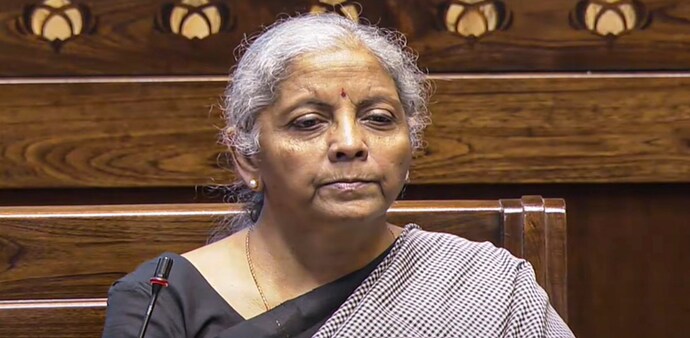
Budget 2026 | Union Finance Minister Nirmala Sitharaman’s presented her ninth consecutive Budget in the Parliament on February 1 2026. The Finance Minister emphasised that the government has consistently chosen reform over rhetoric and addressed global uncertainty.
Process of getting the Budget passed in Parliament
Step 1: Presentation of the Budget
The process begins when the Finance Minister presents the Union Budget in the Lok Sabha, usually on February 1. This includes the Budget Speech, Finance Bill, Appropriation Bill, and supporting documents. From this moment, the government seeks Parliament’s approval to raise and spend money.
Step 2: General discussion
After presentation, Parliament holds a general discussion on the Budget. Members of Parliament debate the overall economic vision—growth, taxation, welfare, fiscal discipline without voting. This stage sets the political and policy tone of the Budget debate.
Step 3: Departmental scrutiny by committees
The Budget is then examined in detail by Department-related Standing Committees, which analyse the spending demands of individual ministries. These committees submit reports highlighting concerns, inefficiencies, and suggestions by bringing expert scrutiny beyond the main House.
Step 4: Voting on demands for grants
Next comes the most crucial stage: voting on Demands for Grants in the Lok Sabha. Each ministry’s expenditure is put to vote. Only the Lok Sabha has the power to approve or reject these demands.
Step 5: Appropriation bill
Once expenditure is approved, the Appropriation Bill is introduced to authorise withdrawal of money from the Consolidated Fund of India. Without this law, the government cannot spend a single rupee.
Step 6: Finance bill
The Finance Bill gives legal backing to tax proposals: income tax changes, GST-related amendments, and other levies. It must be passed by both Houses, with the Lok Sabha having final authority.
Step 7: Presidential assent
After Parliament passes both Bills, they are sent to the President for assent. Once signed, the Budget becomes law.
Why this process matters?
This multi-stage process ensures accountability, debate, and democratic control over public finances, turning the Budget from a speech into binding policy.
Budget 2026 | Union Finance Minister Nirmala Sitharaman’s presented her ninth consecutive Budget in the Parliament on February 1 2026. The Finance Minister emphasised that the government has consistently chosen reform over rhetoric and addressed global uncertainty.
Process of getting the Budget passed in Parliament
Step 1: Presentation of the Budget
The process begins when the Finance Minister presents the Union Budget in the Lok Sabha, usually on February 1. This includes the Budget Speech, Finance Bill, Appropriation Bill, and supporting documents. From this moment, the government seeks Parliament’s approval to raise and spend money.
Step 2: General discussion
After presentation, Parliament holds a general discussion on the Budget. Members of Parliament debate the overall economic vision—growth, taxation, welfare, fiscal discipline without voting. This stage sets the political and policy tone of the Budget debate.
Step 3: Departmental scrutiny by committees
The Budget is then examined in detail by Department-related Standing Committees, which analyse the spending demands of individual ministries. These committees submit reports highlighting concerns, inefficiencies, and suggestions by bringing expert scrutiny beyond the main House.
Step 4: Voting on demands for grants
Next comes the most crucial stage: voting on Demands for Grants in the Lok Sabha. Each ministry’s expenditure is put to vote. Only the Lok Sabha has the power to approve or reject these demands.
Step 5: Appropriation bill
Once expenditure is approved, the Appropriation Bill is introduced to authorise withdrawal of money from the Consolidated Fund of India. Without this law, the government cannot spend a single rupee.
Step 6: Finance bill
The Finance Bill gives legal backing to tax proposals: income tax changes, GST-related amendments, and other levies. It must be passed by both Houses, with the Lok Sabha having final authority.
Step 7: Presidential assent
After Parliament passes both Bills, they are sent to the President for assent. Once signed, the Budget becomes law.
Why this process matters?
This multi-stage process ensures accountability, debate, and democratic control over public finances, turning the Budget from a speech into binding policy.