
Budget 2026: What is sin tax in India? How does it work, list of goods taxed under it
Union Budget 2026: The government imposes a sin tax primarily to reduce the use of goods linked to health and social risks.
- Jan 20, 2026,
- Updated Feb 1, 2026 12:21 PM IST
Budget 2026 | Union Finance Minister Nirmala Sitharaman’s presented her ninth consecutive Budget in the Parliament on February 1 2026. The Finance Minister emphasised that the government has consistently chosen reform over rhetoric and addressed global uncertainty.
As the Union Budget 2026 comes into focus, higher taxes on so-called “sin goods” have once again drawn attention. Frequently referenced in budget discussions, sin tax refers to the practice of levying higher taxes on products considered harmful to health or society, with the twin objectives of discouraging their consumption and generating revenue for the government.
The government imposes a sin tax primarily to reduce the use of goods linked to health and social risks. Products such as tobacco and sugary drinks are associated with long-term health problems, which place an added burden on public healthcare systems. By raising prices through higher taxation, the government seeks to curb consumption while also mobilising revenue that can be channelled into healthcare, social welfare schemes and other public services.
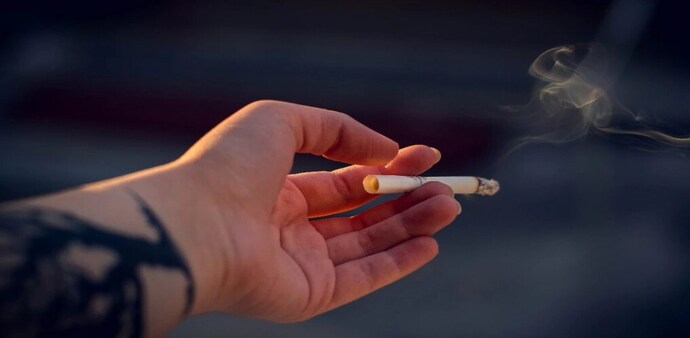
In India, sin tax typically applies to tobacco and tobacco-based products, including cigarettes, chewing tobacco, gutkha and pan masala.
These items are among the most heavily taxed commodities in the country. Sugary and aerated drinks are also treated as demerit goods and placed in the highest tax bracket amid growing concerns over lifestyle-related diseases. Certain luxury or socially undesirable goods may attract similar treatment. Alcohol, though commonly regarded as a sin good, is taxed separately by state governments and does not fall under the Goods and Services Tax framework.
Sin tax is not a distinct levy under Indian law but operates through the existing indirect tax system. Under GST, sin and luxury goods are placed in the highest tax slab.
In addition, products such as tobacco and pan masala attract central excise duty and special cesses, resulting in layered taxation that keeps prices significantly higher than those of essential goods. Alcohol remains outside GST and continues to be governed by state excise laws.
Budget 2026 | Union Finance Minister Nirmala Sitharaman’s presented her ninth consecutive Budget in the Parliament on February 1 2026. The Finance Minister emphasised that the government has consistently chosen reform over rhetoric and addressed global uncertainty.
As the Union Budget 2026 comes into focus, higher taxes on so-called “sin goods” have once again drawn attention. Frequently referenced in budget discussions, sin tax refers to the practice of levying higher taxes on products considered harmful to health or society, with the twin objectives of discouraging their consumption and generating revenue for the government.
The government imposes a sin tax primarily to reduce the use of goods linked to health and social risks. Products such as tobacco and sugary drinks are associated with long-term health problems, which place an added burden on public healthcare systems. By raising prices through higher taxation, the government seeks to curb consumption while also mobilising revenue that can be channelled into healthcare, social welfare schemes and other public services.
In India, sin tax typically applies to tobacco and tobacco-based products, including cigarettes, chewing tobacco, gutkha and pan masala.
These items are among the most heavily taxed commodities in the country. Sugary and aerated drinks are also treated as demerit goods and placed in the highest tax bracket amid growing concerns over lifestyle-related diseases. Certain luxury or socially undesirable goods may attract similar treatment. Alcohol, though commonly regarded as a sin good, is taxed separately by state governments and does not fall under the Goods and Services Tax framework.
Sin tax is not a distinct levy under Indian law but operates through the existing indirect tax system. Under GST, sin and luxury goods are placed in the highest tax slab.
In addition, products such as tobacco and pan masala attract central excise duty and special cesses, resulting in layered taxation that keeps prices significantly higher than those of essential goods. Alcohol remains outside GST and continues to be governed by state excise laws.