
MSME credit growth: Can the 2024 Budget close the gap?
Like any complex machinery, MSME growth requires the right fuel – readily available and tailored to their specific needs. This is where the Union Budget plays a crucial role, shaping the financial landscape for MSMEs.
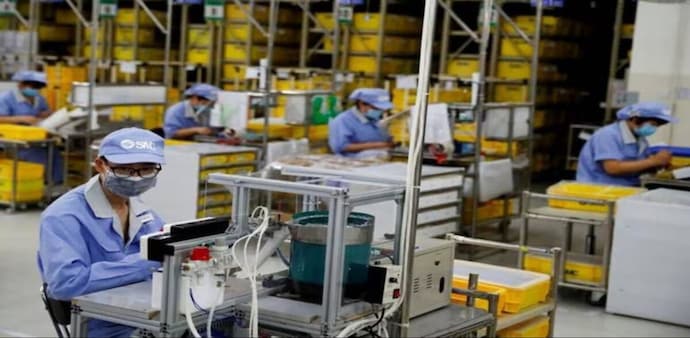
- Jan 30, 2024,
- Updated Jan 30, 2024 12:42 PM IST
India dreams of a $5 trillion economy, but can that dream soar without its backbone – MSMEs? The upcoming budget holds the answer.
Imagine a bustling bazaar buzzing with the energy of sari weavers, tech start-ups, and local manufacturers – these are the engines powering our economy, churning out jobs and innovation. Yet, like overworked rickshaws, many sputter and stall, starved of the fuel they need to truly fly. The fuel, in this case, is credit.
Like any complex machinery, MSME growth requires the right fuel – readily available and tailored to their specific needs. This is where the Union Budget plays a crucial role, shaping the financial landscape for MSMEs. So, how has the engine performed lately? Are we witnessing a roaring acceleration, or is it sputtering in neutral?
Past Budgetary Efforts: Allocations and Outcomes
Past budgets have certainly poured on the fuel: increased fund allocation, subsidized interest rates, credit guarantee schemes, and new initiatives for technology adoption.
The year 2023 witnessed record levels of budgetary support for MSMEs, including a record Rs 22,138 crore allocation in FY23. The Ministry of MSME spent Rs. 23,583.90 crore (US$ 2.84 billion) in FY23, over a 260% increase from Rs. 6,513.13 crore ($786.75 million) spent in FY19.
Initiatives like Mudra Yojana and Stand Up India aimed to offer subsidized interest rates and mitigate lender risk. However, these measures have yielded uneven results. As per the latest RBI data, credit to both medium, micro, and small industries has slowed down in 2023 compared to 2022. The credit to medium industries grew by 13.2% in June'23 (compared to 47.8% in 2022), and for micro and small industries, it stood at 13% (compared to 29.2% in 2022).
These decelerating growth rates, despite record allocations, raise concerns about the effectiveness of current fuel delivery mechanisms.
Possible Attributing Factors To Slower Credit Growth
The reasons for this sluggish growth, particularly among smaller businesses, could be numerous:
1. Complex documentation and collateral requirements: Navigating intricate paperwork and securing collateral can be daunting for smaller MSMEs, often hindering their access to funding.
2. Lack of awareness towards new lending practices: Many smaller businesses, especially in rural areas, are unaware of the latest credit schemes, eligibility criteria, and changes in regulations. This lack of knowledge can make them hesitant to utilize available credit.
3. Complex regulations and compliance: Stringent regulations and complex compliance procedures can discourage lenders from extending credit to smaller businesses, perceiving them as higher-risk borrowers.
4. Inadequate credit infrastructure: The limited reach of financial institutions in rural areas can create physical barriers for micro-enterprises to get access to credit facilities.
These roadblocks act as filters, impeding the flow of resources to where they're needed most. Consequently, many MSMEs struggle to operate at full capacity, hindering their potential to contribute to inclusive and sustainable growth.
Furthermore, we need to ensure responsible engine operation. Debt burden can quickly become a crippling weight for smaller businesses, akin to overfilling the engine and causing it to overheat. We need targeted initiatives that promote financial literacy, encouraging mindful borrowing and sustainable growth.
The Road Ahead: Embracing Technology and Innovation
While the roadblocks facing MSMEs are substantial, a few innovative solutions can pave the way for their success. Here are some key areas where interventions can make a significant impact:
● Streamlined Loan Applications: Digital platforms simplify loan applications and approvals, eliminating paper-based hassle and reducing turnaround time.’
● Democratizing Access to Capital: Expand the reach of financial institutions through strategic partnerships with microfinance organizations, non-banking financial companies, and fintech start-ups, particularly in underserved rural areas.
● Leveraging Technology for Growth: Utilize data analytics and AI to develop robust credit scoring models that accurately assess the creditworthiness of MSMEs, leading to faster approvals and responsible lending practices.
Additionally, invest in digital infrastructure development in rural areas to bridge the digital divide and ensure equitable access to financial services for all MSMEs.
These initiatives are yielding results. We've witnessed a significant increase in loan applications and approvals for MSMEs that can propel India's economic journey to even greater heights.
Closing Thoughts: Wishful Thinking and Actionable Recommendations
While the upcoming February 1st budget may be a ‘vote-on-account,’ it sets the stage for the subsequent full budget. The expectations are high, and there is a collective hope for policies that streamline processes and create an enabling environment for MSMEs to thrive. Expected measures that could help this priority sector thrive could be:
● Targeted Credit Interventions: Design credit schemes and initiatives tailored to the specific needs of different MSME segments, locations, and industries. Provide the right fuel mix for each engine type.
● Boosting Co-lending Partnerships: Fostering more co-lending partnerships between traditional banks and non-banking financial institutions can be explored. These collaborations can enhance the reach of credit facilities, drive purposeful financial solutions, and reduce borrowing costs for diverse MSMEs.
● Regulatory Simplification: Streamline and rationalize business permits and licenses, reducing the compliance burden and freeing up valuable resources for growth.
● Digital On-Ramps: Encourage wider adoption of online loan applications, financial management tools, and digital payment platforms, increasing discovery, transparency, efficiency, and accessibility. Utilizing AI-driven credit scoring and risk management tools for faster and more efficient loan processing. In fact, we have built the tech infra to facilitate seamless integration with financial institutions to accelerate this shift.
The potential upside of these measures is immense. In conclusion, the success of these initiatives hinges on meticulous planning, continuous stakeholder engagement, and a commitment to fostering an environment where MSMEs can flourish.
“After all, it is not money that empowers; it is the access to it.” Let the 2024 budget be a bridge across that gap, a bridge that connects the dreams of MSMEs with the fuel they need to take flight.
Views are personal. The author is Founder & CEO, Yubi Group of Companies
India dreams of a $5 trillion economy, but can that dream soar without its backbone – MSMEs? The upcoming budget holds the answer.
Imagine a bustling bazaar buzzing with the energy of sari weavers, tech start-ups, and local manufacturers – these are the engines powering our economy, churning out jobs and innovation. Yet, like overworked rickshaws, many sputter and stall, starved of the fuel they need to truly fly. The fuel, in this case, is credit.
Like any complex machinery, MSME growth requires the right fuel – readily available and tailored to their specific needs. This is where the Union Budget plays a crucial role, shaping the financial landscape for MSMEs. So, how has the engine performed lately? Are we witnessing a roaring acceleration, or is it sputtering in neutral?
Past Budgetary Efforts: Allocations and Outcomes
Past budgets have certainly poured on the fuel: increased fund allocation, subsidized interest rates, credit guarantee schemes, and new initiatives for technology adoption.
The year 2023 witnessed record levels of budgetary support for MSMEs, including a record Rs 22,138 crore allocation in FY23. The Ministry of MSME spent Rs. 23,583.90 crore (US$ 2.84 billion) in FY23, over a 260% increase from Rs. 6,513.13 crore ($786.75 million) spent in FY19.
Initiatives like Mudra Yojana and Stand Up India aimed to offer subsidized interest rates and mitigate lender risk. However, these measures have yielded uneven results. As per the latest RBI data, credit to both medium, micro, and small industries has slowed down in 2023 compared to 2022. The credit to medium industries grew by 13.2% in June'23 (compared to 47.8% in 2022), and for micro and small industries, it stood at 13% (compared to 29.2% in 2022).
These decelerating growth rates, despite record allocations, raise concerns about the effectiveness of current fuel delivery mechanisms.
Possible Attributing Factors To Slower Credit Growth
The reasons for this sluggish growth, particularly among smaller businesses, could be numerous:
1. Complex documentation and collateral requirements: Navigating intricate paperwork and securing collateral can be daunting for smaller MSMEs, often hindering their access to funding.
2. Lack of awareness towards new lending practices: Many smaller businesses, especially in rural areas, are unaware of the latest credit schemes, eligibility criteria, and changes in regulations. This lack of knowledge can make them hesitant to utilize available credit.
3. Complex regulations and compliance: Stringent regulations and complex compliance procedures can discourage lenders from extending credit to smaller businesses, perceiving them as higher-risk borrowers.
4. Inadequate credit infrastructure: The limited reach of financial institutions in rural areas can create physical barriers for micro-enterprises to get access to credit facilities.
These roadblocks act as filters, impeding the flow of resources to where they're needed most. Consequently, many MSMEs struggle to operate at full capacity, hindering their potential to contribute to inclusive and sustainable growth.
Furthermore, we need to ensure responsible engine operation. Debt burden can quickly become a crippling weight for smaller businesses, akin to overfilling the engine and causing it to overheat. We need targeted initiatives that promote financial literacy, encouraging mindful borrowing and sustainable growth.
The Road Ahead: Embracing Technology and Innovation
While the roadblocks facing MSMEs are substantial, a few innovative solutions can pave the way for their success. Here are some key areas where interventions can make a significant impact:
● Streamlined Loan Applications: Digital platforms simplify loan applications and approvals, eliminating paper-based hassle and reducing turnaround time.’
● Democratizing Access to Capital: Expand the reach of financial institutions through strategic partnerships with microfinance organizations, non-banking financial companies, and fintech start-ups, particularly in underserved rural areas.
● Leveraging Technology for Growth: Utilize data analytics and AI to develop robust credit scoring models that accurately assess the creditworthiness of MSMEs, leading to faster approvals and responsible lending practices.
Additionally, invest in digital infrastructure development in rural areas to bridge the digital divide and ensure equitable access to financial services for all MSMEs.
These initiatives are yielding results. We've witnessed a significant increase in loan applications and approvals for MSMEs that can propel India's economic journey to even greater heights.
Closing Thoughts: Wishful Thinking and Actionable Recommendations
While the upcoming February 1st budget may be a ‘vote-on-account,’ it sets the stage for the subsequent full budget. The expectations are high, and there is a collective hope for policies that streamline processes and create an enabling environment for MSMEs to thrive. Expected measures that could help this priority sector thrive could be:
● Targeted Credit Interventions: Design credit schemes and initiatives tailored to the specific needs of different MSME segments, locations, and industries. Provide the right fuel mix for each engine type.
● Boosting Co-lending Partnerships: Fostering more co-lending partnerships between traditional banks and non-banking financial institutions can be explored. These collaborations can enhance the reach of credit facilities, drive purposeful financial solutions, and reduce borrowing costs for diverse MSMEs.
● Regulatory Simplification: Streamline and rationalize business permits and licenses, reducing the compliance burden and freeing up valuable resources for growth.
● Digital On-Ramps: Encourage wider adoption of online loan applications, financial management tools, and digital payment platforms, increasing discovery, transparency, efficiency, and accessibility. Utilizing AI-driven credit scoring and risk management tools for faster and more efficient loan processing. In fact, we have built the tech infra to facilitate seamless integration with financial institutions to accelerate this shift.
The potential upside of these measures is immense. In conclusion, the success of these initiatives hinges on meticulous planning, continuous stakeholder engagement, and a commitment to fostering an environment where MSMEs can flourish.
“After all, it is not money that empowers; it is the access to it.” Let the 2024 budget be a bridge across that gap, a bridge that connects the dreams of MSMEs with the fuel they need to take flight.
Views are personal. The author is Founder & CEO, Yubi Group of Companies