
Budget 2026: Customs duty reforms independent of US tariffs, says FM
Union Budget 2026: Budget focusses on growth priority through investments, fiscal deficit trajectory
- Feb 2, 2026,
- Updated Feb 2, 2026 5:29 PM IST
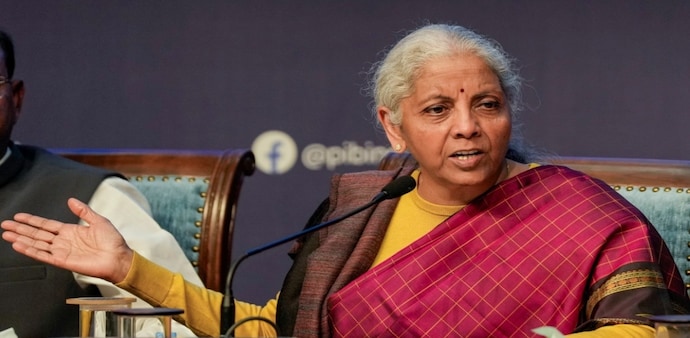
Union Budget 2026 | Finance Minister Nirmala Sitharaman on Monday said that the customs duty reforms announced in the Union Budget 2026-27 were an independent process and were not influenced by the US tariffs.
“The US tariffs had no impact on the customs duty changes. Customs duty reforms have been taking place over the last two years,” she told reporters, a day after presenting the Union Budget 2026-27.
“Every year, we have had amendments in taxes. Customs reforms are the next part of it and are part of the larger scheme of things for Indian citizens and Indian businesses,” the minister underlined, adding that as such there was no assessment of the impact of the US tariffs in the Budget.
The finance minister in the Union Budget announced several proposals in customs duty to further simplify the tariff structure, support domestic manufacturing, promote export competitiveness, and correct inversion in duty.
The Budget has also proposed sectoral support to some labour-intensive sectors all of which have a high intensity of labour force. These steps were also part of the overall theme of the Budget and not due to the need to support domestic industry in the face of the 50% US tariffs.
The finance minister also underlined that the Budget has focussed on investment as the key tool for boosting consumption and the gradual glide path for the fiscal deficit is also due to this. “The fiscal deficit has to depend on each year’s situation. The priority is growth,” she said.
The Budget has pegged fiscal deficit at 4.3% of the GDP for FY27 after retaining the target of 4.4% of the current fiscal.
The minister is also confident that private consumption will remain strong in the new fiscal year after being supported by cuts in the income tax and goods and services tax rates.
She further said that the “pace and direction of disinvestment” would set the tone for revenue generation. The government will encourage more disinvestment of public sector companies. IDBI Bank's strategic disinvestment is on track.
Union Budget 2026 | Finance Minister Nirmala Sitharaman on Monday said that the customs duty reforms announced in the Union Budget 2026-27 were an independent process and were not influenced by the US tariffs.
“The US tariffs had no impact on the customs duty changes. Customs duty reforms have been taking place over the last two years,” she told reporters, a day after presenting the Union Budget 2026-27.
“Every year, we have had amendments in taxes. Customs reforms are the next part of it and are part of the larger scheme of things for Indian citizens and Indian businesses,” the minister underlined, adding that as such there was no assessment of the impact of the US tariffs in the Budget.
The finance minister in the Union Budget announced several proposals in customs duty to further simplify the tariff structure, support domestic manufacturing, promote export competitiveness, and correct inversion in duty.
The Budget has also proposed sectoral support to some labour-intensive sectors all of which have a high intensity of labour force. These steps were also part of the overall theme of the Budget and not due to the need to support domestic industry in the face of the 50% US tariffs.
The finance minister also underlined that the Budget has focussed on investment as the key tool for boosting consumption and the gradual glide path for the fiscal deficit is also due to this. “The fiscal deficit has to depend on each year’s situation. The priority is growth,” she said.
The Budget has pegged fiscal deficit at 4.3% of the GDP for FY27 after retaining the target of 4.4% of the current fiscal.
The minister is also confident that private consumption will remain strong in the new fiscal year after being supported by cuts in the income tax and goods and services tax rates.
She further said that the “pace and direction of disinvestment” would set the tone for revenue generation. The government will encourage more disinvestment of public sector companies. IDBI Bank's strategic disinvestment is on track.