
Union Budget 2026: Here's how to decode, demystify the Union Budget document
In a year when fiscal choices will shape growth, jobs, and household finances, decoding the Budget documents matters as much as listening to the speech itself.
- Jan 27, 2026,
- Updated Feb 1, 2026 11:51 AM IST
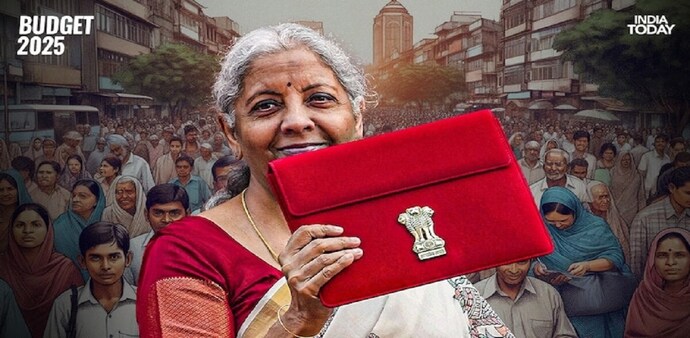
Budget 2026 | Union Finance Minister Nirmala Sitharaman’s presented her ninth consecutive Budget in the Parliament on February 1 2026. The Finance Minister emphasised that the government has consistently chosen reform over rhetoric and addressed global uncertainty.
For many citizens, the Budget often boils down to a handful of headline questions: Will income taxes change? Will fuel get cheaper? Will spending on jobs, infrastructure, and welfare increase? But the real Budget story runs far deeper than the speech alone.
The Union Budget is not a single document it is a bundle of detailed papers that together spell out how the government plans to raise money, spend it, and finance the gap through borrowing. At its core, the Budget answers four fundamental questions: how much revenue the government expects to collect, how much it plans to spend and where, how much it will borrow, and what tax or legal changes are needed to make this possible.
The quickest way to grasp the government’s intent is to start with the big picture. Headline numbers such as the fiscal deficit, total expenditure, and capital expenditure (capex) reveal whether the Budget leans toward growth support, fiscal consolidation, or a careful balancing act. Capex, in particular, signals long-term priorities like infrastructure and asset creation, while revenue expenditure reflects day-to-day commitments such as subsidies, salaries, and interest payments.
The Budget speech itself has two parts. Part A outlines the government’s economic vision, welfare initiatives, and sectoral priorities, while Part B focuses on tax proposals—from personal income tax to customs and excise duties. However, announcements in the speech do not automatically become law. That happens through the Finance Bill, which Parliament must pass.
To truly understand the Budget, readers should move beyond the speech and follow a logical reading order: start with Budget at a Glance, then the Annual Financial Statement, followed by the Expenditure Budget, Receipts Budget, and Demands for Grants. Together, these documents reveal how every rupee is raised and spent.
Finally, the Economic Survey, released before the Budget, provides essential context. It reviews the state of the economy, flags risks, and outlines reform priorities often shaping the direction of the Budget itself.
In short, the Union Budget is not just a speech it’s a roadmap to the government’s economic strategy for the year ahead.
Budget 2026 | Union Finance Minister Nirmala Sitharaman’s presented her ninth consecutive Budget in the Parliament on February 1 2026. The Finance Minister emphasised that the government has consistently chosen reform over rhetoric and addressed global uncertainty.
For many citizens, the Budget often boils down to a handful of headline questions: Will income taxes change? Will fuel get cheaper? Will spending on jobs, infrastructure, and welfare increase? But the real Budget story runs far deeper than the speech alone.
The Union Budget is not a single document it is a bundle of detailed papers that together spell out how the government plans to raise money, spend it, and finance the gap through borrowing. At its core, the Budget answers four fundamental questions: how much revenue the government expects to collect, how much it plans to spend and where, how much it will borrow, and what tax or legal changes are needed to make this possible.
The quickest way to grasp the government’s intent is to start with the big picture. Headline numbers such as the fiscal deficit, total expenditure, and capital expenditure (capex) reveal whether the Budget leans toward growth support, fiscal consolidation, or a careful balancing act. Capex, in particular, signals long-term priorities like infrastructure and asset creation, while revenue expenditure reflects day-to-day commitments such as subsidies, salaries, and interest payments.
The Budget speech itself has two parts. Part A outlines the government’s economic vision, welfare initiatives, and sectoral priorities, while Part B focuses on tax proposals—from personal income tax to customs and excise duties. However, announcements in the speech do not automatically become law. That happens through the Finance Bill, which Parliament must pass.
To truly understand the Budget, readers should move beyond the speech and follow a logical reading order: start with Budget at a Glance, then the Annual Financial Statement, followed by the Expenditure Budget, Receipts Budget, and Demands for Grants. Together, these documents reveal how every rupee is raised and spent.
Finally, the Economic Survey, released before the Budget, provides essential context. It reviews the state of the economy, flags risks, and outlines reform priorities often shaping the direction of the Budget itself.
In short, the Union Budget is not just a speech it’s a roadmap to the government’s economic strategy for the year ahead.